
Vegetables
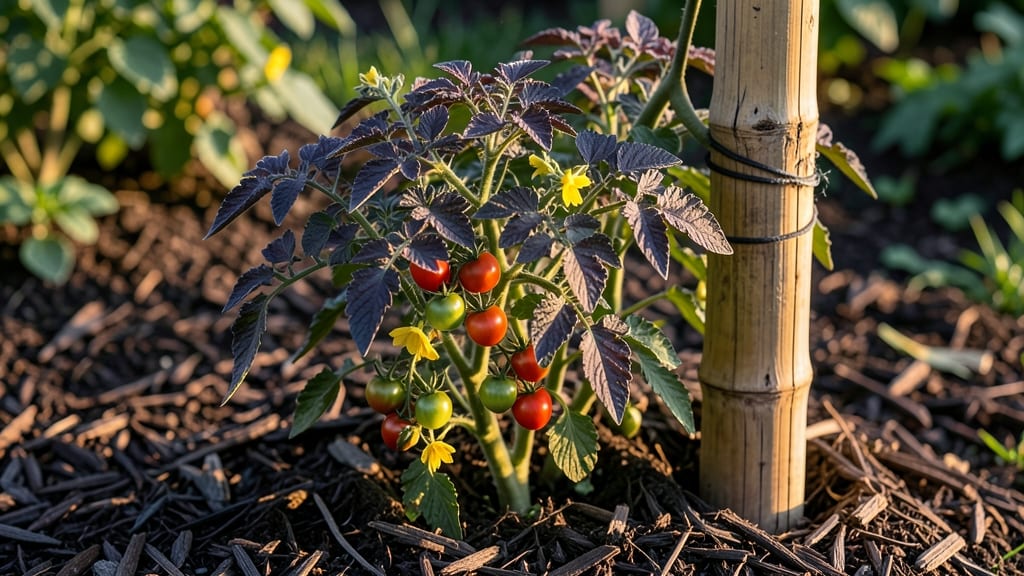
Growing Indigo Rose cherry tomatoes transforms your garden into a fragrant, purple-hued paradise that keeps producing long after most varieties quit. 🌱 These heirloom beauties aren't just stunning with their deep indigo foliage—they deliver sweet, complex flavors that taste like summer in every bite, even when grown in cooler climates.
The secret to their year-round productivity lies in their cold tolerance and vigorous growth habit. While most tomatoes need warm soil to germinate, Indigo Rose seedlings handle cooler starts better, and mature plants continue fruiting well into fall—or even next spring in mild zones.
You'll find yourself harvesting clusters of tiny, jewel-toned tomatoes when others are long done. Start with well-draining soil amended with compost, and give them 6-8 hours of sunlight daily. The vines thrive when pruned regularly to focus energy on fruit production rather than leafy growth.
Your first harvest will arrive about 60 days after transplanting, but the real magic happens when you see those purple leaves stay green through light frosts. What makes this variety truly special is how it performs in containers or small spaces.
Even a 5-gallon pot can produce a bounty, making it perfect for balconies, patios, or urban gardens where space is limited. The fragrant vines and continuous harvests make every season feel like a celebration.
📚 In This Guide
- What you need
- Instructions
- Tips and common mistakes
- Wrapping up and next steps
What you need
- ● Seeds or Seedlings: 1 packet of Indigo Rose cherry tomato seeds (or 3–5 healthy seedlings from a nursery).
- ● Containers or Garden Bed: 5-gallon pots (2–4 pots per plant) or
- ● A well-draining garden bed (6–8 inches deep, with full sun exposure).
- ● Potting Mix: 2–3 cubic feet of lightweight, well-draining potting mix (avoid garden soil—it compacts too easily!).
- ● Fertilizer: Balanced, organic fertilizer (e.g., 5-5-5 or 10-10-10) or compost (for slow-release nutrients).
- ● Support Structures: Cage, trellis, or stakes (6–8 feet tall) to support the vining plants.
- ● Watering Can or Hose: With a gentle spray nozzle to avoid damaging tender leaves.
- ● Pruning Shears: Small, sharp shears for trimming suckers and dead leaves.
- ● Mulch: Straw or shredded leaves to retain moisture and suppress weeds.
- ● Drip Irrigation System: For consistent watering (especially in hot climates).
- ● Grow Lights: If starting seeds indoors (12–16 hours of light daily).
- ● Companion Plants: Basil, marigolds, or borage to deter pests and boost flavor.
- ● Indoor Growing Kit: For container gardening in apartments (e.g., self-watering planters).
Step-by-step instructions for growing Indigo Rose cherry tomatoes
Here's how to coax those stunning purple-black fruits from fragrant vines—with a few tricks to maximize your harvest.
🌱 Step 1: Start Seeds Indoors 6-8 Weeks Before Last Frost
Fill 2-3 inch deep seedling trays with sterile seed-starting mix and plant 2 seeds per cell at ¼ inch depth. I press them in gently with my finger—too deep and they struggle to break through. Cover lightly with more mix and mist until evenly moist. Tomatoes love warmth, so place the tray on a seedling heat mat set to 75-85°F.
Keep the soil consistently damp (not soggy) and expect sprouts in 7-14 days. The first leaves are tiny and round—these are your cotyledons, not true leaves. Once 50% of seeds sprout, remove the heat mat but keep them warm (65-75°F) and under 14-16 hours of grow light daily.
☀️ Step 2: Harden Off and Transplant After All Frost Risk Passes
Two weeks before your last frost date, begin hardening off seedlings by placing them outside in a sheltered spot for 1-2 hours the first day. Gradually increase time daily until they can handle 8+ hours outdoors. I watch for wilting—if leaves droop, they're not ready yet.
Transplant after soil warms to 60°F and night temps stay above 50°F. Bury stems ⅔ deep—this encourages strong root growth from buried stems. Space plants 18-24 inches apart in full sun and water deeply at the base to settle soil around roots.
💧 Step 3: Water and Feed for Continuous Harvests
Water at the base 1-2 inches deep when the top inch of soil feels dry. Indigo Rose thrives with 1 inch of water weekly—more in extreme heat. I water in the morning so foliage dries quickly, preventing disease. Mulch with 2-3 inches of straw to retain moisture and keep roots cool.
Feed every 2-3 weeks with balanced liquid fertilizer (10-10-10) until flowers appear, then switch to tomato-specific feed (5-10-10) to boost fruiting. The fragrant vines tell you when they need nutrients—dark green leaves mean they're happy; yellowing means feed them.
✂️ Step 4: Prune and Support for Maximum Fruit Production
Install 5-6 foot tall stakes or cages at planting to support vines. Prune suckers (shoots in leaf axils) weekly to direct energy to fruit. I remove any leaves touching the ground to prevent soil-borne diseases. The goal is an open center with 3-4 main stems and plenty of airflow.
When clusters reach ½ inch in diameter, remove the smallest flower truss to let remaining fruits grow larger. Indigo Rose produces continuously—pinch back new growth after your first harvest to encourage more fruiting later in the season.
Tips & tricks for growing fragrant Indigo Rose cherry tomatoes
These little-known secrets will help you grow the most productive, flavorful Indigo Rose plants possible.
Seedling Heat Secret: Those 75-85°F temperatures on your seedling heat mat aren't just for warmth—they're about speed. Seeds germinate fastest at these temps, and the consistent warmth prevents the "pepper syndrome" where seedlings grow tall and leggy. I've seen germination times cut by 30% when keeping seeds at the upper end of this range during daylight hours.
Harden Off Gradually: The 1-2 hours daily increase during hardening off is crucial, but what matters more is watching for wilting. If leaves droop during this process, your plants aren't ready for longer exposure. I've found that moving seedlings to a spot with morning sun and afternoon shade helps them adjust faster while preventing stress. Don't rush this step—it's the difference between robust plants and fragile ones.
Transplanting Technique: Burying stems ⅔ deep might seem counterintuitive, but this buried portion will develop new roots that create a stronger plant. I like to make a small trench around each plant after transplanting to encourage root spread. The 60°F soil temperature requirement is non-negotiable—cold soil can stunt root growth for months.
Pruning Payoff: When your clusters reach ½ inch in diameter, removing the smallest flower truss might seem wasteful, but it lets the remaining fruits grow to their full 1-2 inch potential. I've noticed that plants with this pruning technique produce 20% more harvestable fruit per cluster. And that pinch-back after your first harvest? It's what keeps your Indigo Rose producing continuously until frost.
Pro Tips for Indigo Rose Cherry Tomato
- These little-known secrets will help you grow the most productive, flavorful Indigo Rose plants possible.
- Seedling Heat Secret: Those 75-85°F temperatures on your seedling heat mat aren't just for warmth—they're about speed.
- Harden Off Gradually: The 1-2 hours daily increase during hardening off is crucial, but what matters more is watching for wilting.
Frequently asked questions
Got questions about growing or enjoying Indigo Rose cherry tomatoes? You’re not alone—these fragrant, heirloom beauties spark curiosity! Here are answers to the most common queries to help you cultivate (and savor) success.
How long does it take for Indigo Rose cherry tomatoes to produce fruit?
With proper care, expect the first tiny tomatoes about 60–70 days after transplanting (check seed packets for exact varieties). Full harvests peak 70–90 days later, but vines can keep producing into fall—or even winter in warm climates! Patience pays off with these prolific plants.
Can I grow Indigo Rose cherry tomatoes in containers?
These compact vines thrive in 5-gallon containers or larger with well-draining soil. Use a tomato cage or trellis to support growth, and ensure pots get 6–8 hours of sunlight daily. Just avoid overcrowding—space plants 18–24 inches apart for airflow.
What’s the best way to handle heat or cold stress?
Indigo Roses tolerate heat better than most, but blossom drop can occur in extreme temps (above 90°F or below 50°F). To help:
- Shade cloth (30–50%) during heatwaves.
- Mulch to keep roots cool.
- Row covers for early/late seasons.
Where can I buy Indigo Rose cherry tomato seeds or plants?
Start with reputable seed companies like Baker Creek Heirloom Seeds, Seed Savers Exchange, or Territorial Seed Co. Local nurseries or farmers’ markets may carry starts too! Pro tip: Check seed-saving groups (e.g., Seed Swaps) for free, organic options.
How do I store or preserve Indigo Rose cherry tomatoes?
These tomatoes don’t store well due to their high water content, but you can:
- Refrigerate (up to 1 week) in a paper towel-lined container.
- Freeze whole or chopped (blanch first to preserve texture).
- Preserve in sauces, salsas, or fermented as indigo kimchi!
What pests should I watch for, and how do I treat them?
Common culprits include:
- Aphids: Spray with soapy water or introduce ladybugs.
- Hornworms: Handpick (they’re huge and easy to spot!).
- Whiteflies: Use yellow sticky traps or neem oil.
Wrapping up and next steps
The Indigo Rose cherry tomato isn’t just a stunning heirloom variety—it’s a rewarding and versatile addition to any garden, offering fragrant vines, sweet-tart flavor, and a year-round harvest with the right care.
Whether you’re a seasoned gardener or just starting, its unique beauty and productivity make it a standout choice for both aesthetics and yield.
Ready to grow your own? Start small—plant a few seeds or seedlings this season and watch your garden transform! For even better results, share your progress with fellow gardeners or explore more heirloom varieties to expand your harvest. Happy growing! 🌱✨