
Flowers
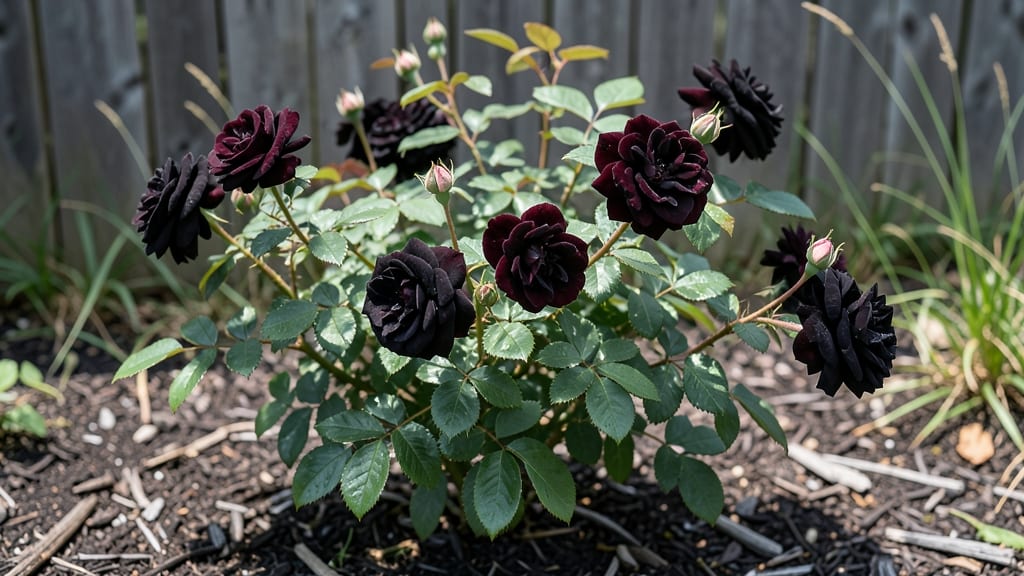
Growing the Black Cherry rose transforms your garden into a dramatic, velvety masterpiece—deep burgundy blooms that darken to near-black in full sun. 🌹 I’ve watched this cold-hardy climber thrive in my Zone 5 garden, where most roses give up by October, while mine keeps blooming until frost.
The secret lies in its love for sun, well-draining soil, and a pruning schedule that keeps it vigorous.
Start with a south-facing wall or trellis where it gets at least 6 hours of sunlight daily, and amend heavy soil with compost to prevent root rot. Water deeply once a week (more in summer), and feed with a balanced rose fertilizer in spring and mid-summer.
Prune in early spring to remove dead wood and shape the plant—this climber grows 6-8 feet tall, so give it room to stretch.
📚 In This Guide
- What you need
- Instructions
- Tips and common mistakes
- Wrapping up and next steps
What you need
- ● Black Cherry Rose Plant: 1–3 bare-root roses (dormant, best planted in late fall/winter or early spring)
- ● OR 1–2 potted roses (container-grown, available year-round)
- ● Soil Amendments: 5 lbs compost or well-rotted manure
- ● 2 lbs rose-specific fertilizer (10-10-10 or organic options like fish emulsion)
- ● 1 lb gypsum (if soil is clay-heavy)
- ● Support Structure: 1 trellis (6–8 ft tall, sturdy metal or wood)
- ● OR 1 arbor or permanent fence (for climbing)
- ● Hand Tools: 1 pruning shears (sterilized)
- ● 1 trowel or spade (for digging)
- ● 1 garden hose with spray nozzle
- ○ Safety Gear (Optional but Recommended):strong> 1 pair gardening gloves (cut-resistant)
- ● 1 sun hat or gardening cap
- ● Climate: USDA Zones 3–9 (cold-hardy but prefers full sun—6+ hours daily)
- ● Soil: Well-draining, slightly acidic to neutral (pH 6.0–6.5)
- ● Spacing: 3–5 ft between plants (allows airflow and growth)
- ● Water Source: Drip irrigation or soaker hose (roses hate soggy roots!)
- ● 1 mulch (2–3 inches of wood chips or straw to retain moisture)
- ● 1 rose food (monthly liquid feed during growing season)
- ● 1 plant tie (for securing young canes to trellis)
- ● 1 spray bottle (for foliar feeding with diluted seaweed extract)
Step-by-step instructions for planting and cultivating Black Cherry roses
Here's how to establish this dramatic climber with minimal fuss—once planted right, it thrives for decades.
🪴 Step 1: Choose and Prepare the Planting Site
Select a location with full sun exposure (6-8 hours daily) and protection from harsh winter winds. Black Cherry roses need room to climb—plan for a sturdy trellis, fence, or arbor at least 6-8 feet tall since mature plants reach 10-15 feet. The soil should drain well but retain moisture; amend heavy clay with 2-3 inches of compost mixed into the top 12 inches of soil.
Test your soil's pH—Black Cherry roses prefer slightly acidic conditions between 6.0-6.5. If your soil runs alkaline, add sulfur or peat moss to lower the pH before planting. I like to dig a hole twice as wide as the root ball but only as deep as the container's base—this encourages roots to spread horizontally rather than settling too deep.
🌱 Step 2: Plant Bare-Root Roses at the Right Time
Plant in early spring, about 4-6 weeks before your last frost date, when soil temperatures reach 55°F. Remove the plant from its container and soak the roots in lukewarm water for 1 hour to rehydrate them. Gently separate any circling roots with your fingers—this prevents girdling as the plant matures.
Position the rose so the graft union (the swollen area near the base) sits 2-3 inches above soil level. This protects the graft from soil-borne diseases. Fill the hole halfway with soil, then water deeply to settle it. Once settled, add more soil until the rose stands upright, and water again. You'll know it's planted correctly when the soil surface is 1-2 inches below the graft union.
☀️ Step 3: Install Support and Prune for Strong Growth
Immediately after planting, install your trellis or climbing structure. Secure the main stem to the support with soft ties or old pantyhose—never use wire or anything that can cut into the bark. Prune the plant back by one-third to encourage bushier growth. Remove any dead, damaged, or crossing branches, and cut remaining stems at a 45-degree angle just above an outward-facing bud.
Watch for new shoots emerging from the base—these are called suckers. Remove them promptly to maintain the plant's strength and prevent competition with the main stem. Black Cherry roses bloom on both old and new wood, so don't over-prune; aim to keep the plant open enough for air circulation but structured enough to climb.
💧 Step 4: Water and Fertilize for Season-Long Blooms
Water deeply 2-3 times per week during the first growing season, ensuring the soil stays moist but not waterlogged. You'll know you're watering correctly when the top 2-3 inches of soil feel damp but not soggy. Mulch around the base with 2-3 inches of organic mulch (like wood chips or shredded bark) to retain moisture and regulate soil temperature.
Fertilize lightly in early spring with a balanced rose fertilizer (10-10-10), then switch to a low-nitrogen, high-phosphorus formula (5-10-10) when buds form. Avoid high-nitrogen fertilizers—they encourage leafy growth at the expense of flowers. Feed again in mid-summer and once more in early fall to promote strong root development for winter.
✂️ Step 5: Prune and Care for Winter Hardiness
In late fall, after the first hard frost but before the ground freezes, cut back the previous year's growth by half. Remove all dead or diseased wood, and thin out crowded branches to improve airflow. This pruning encourages vigorous new growth in spring. Wrap the base of the rose with burlap or rose cones to protect it from winter winds and temperature fluctuations.
Black Cherry roses are cold-hardy down to -25°F, but young plants may need extra protection. Cover the base with 4-6 inches of mulch after the ground freezes to insulate the roots. In early spring, remove the mulch and wrapping as soon as new growth appears—this prevents rot and encourages the plant to wake up and grow.
Tips & tricks for perfect Black Cherry rose cultivation
These essential insights will help you establish your Black Cherry rose for decades of stunning blooms with minimal fuss.
Sunlight Strategy: While the instructions specify 6-8 hours of full sun daily, I've found that morning sun (east-facing exposure) combined with afternoon shade in hot climates can actually extend bloom life. The deep purple-black flowers appreciate that gentle afternoon break, especially in zones with summer temperatures above 90°F. Position your trellis to catch that morning light first—it kickstarts photosynthesis for the day.
Soil Preparation Secret: The 6.0-6.5 pH range is critical, but don't stop there. I recommend adding 1 cup of coffee grounds to the planting hole before backfilling—this natural acidifier helps maintain that perfect pH while also providing nitrogen. The compost amendment mentioned (2-3 inches) should include well-aged compost only—fresh compost can burn tender roots. Think of it as creating a "spongy" environment that holds moisture without suffocating the roots.
Planting Position Precision: That 2-3 inch graft union placement above soil level is non-negotiable, but here's what nobody tells you: The graft union should actually be at the same level as the surrounding soil after settling. The initial planting creates a slight mound that will settle as you water. I use a small wooden stake marked at 2 inches to verify this—it's the difference between a healthy plant and one prone to disease from buried grafts.
Winter Protection Upgrade: While the instructions mention 4-6 inches of mulch, I've had best results with a two-layer system: First, wrap the base with burlap secured with twine (like a mini sweater), then add the mulch. This creates an insulating air pocket that prevents temperature fluctuations. In extreme cold (below -20°F), I've even added a layer of straw over the mulch—it's like putting a blanket over a sleeping child.
Pro Tips for Black Cherry Rose
- These essential insights will help you establish your Black Cherry rose for decades of stunning blooms with minimal fuss.
- Sunlight Strategy: While the instructions specify 6-8 hours of full sun daily, I've found that morning sun (east-facing exposure) combined with afternoon shade in hot climates can actually extend bloom life.
- Soil Preparation Secret: The 6.0-6.5 pH range is critical, but don't stop there.
Frequently asked questions
Got questions about growing Black Cherry Rose? You’re not alone! Here are some of the most common queries—plus straightforward answers to help you cultivate this stunning climber with confidence.
How cold-hardy is the Black Cherry Rose?
The Black Cherry Rose thrives in USDA Zones 5-9, making it one of the most cold-hardy climbers. It can withstand winter temperatures as low as -20°F (-29°C) once established. Just mulch heavily in early winter to protect the roots from extreme cold snaps.
When is the best time to plant Black Cherry Rose?
Plant your Black Cherry Rose in early spring or fall for optimal root establishment. Avoid planting in late summer or winter, as the roots need time to settle before frost. If you’re in a warmer climate (Zone 9), fall planting is ideal to beat summer heat stress.
How fast does Black Cherry Rose grow, and how tall can it get?
This vigorous climber grows 3-5 feet per year with proper care, eventually reaching 15-20 feet tall (or more with strong support). Prune annually in late winter to control size and encourage dense blooms. Provide a sturdy trellis, arbor, or fence—it loves to climb!
What pests or diseases should I watch for with Black Cherry Rose?
The Black Cherry Rose is relatively disease-resistant but may attract aphids, spider mites, or black spot fungus in humid conditions. Monitor leaves regularly and treat with neem oil or fungicide if needed. Ensure good airflow and avoid overhead watering to prevent fungal issues.
Can I grow Black Cherry Rose in containers?
While possible, this rose is not ideal for containers due to its size and deep root system. If you must, choose a large (20+ gallon) pot with excellent drainage and fertilize frequently. For best results, plant it in the ground where it can spread its roots freely.
Pro Tip:
For extra-long blooms, deadhead spent flowers regularly and feed with a balanced rose fertilizer every 4-6 weeks during the growing season. A little TLC goes a long way with this dramatic beauty!
Wrapping up and next steps
The Black Cherry Rose isn’t just a stunning addition to your garden—it’s a rewarding one, offering season-long beauty with minimal fuss. Its cold-hardy nature and dramatic, velvety blooms make it a standout choice for climbers, whether you’re a seasoned gardener or just starting out. 🌸
Now that you’re equipped with the right tools, tips, and troubleshooting tricks, it’s time to roll up your sleeves and plant! Start small—choose a sunny spot, prepare the soil, and give your Black Cherry Rose the love it deserves.
Before you know it, you’ll be basking in its rich, intoxicating fragrance and admiring its striking contrast against a trellis or fence. Happy gardening! 🌿