
Companion Plants
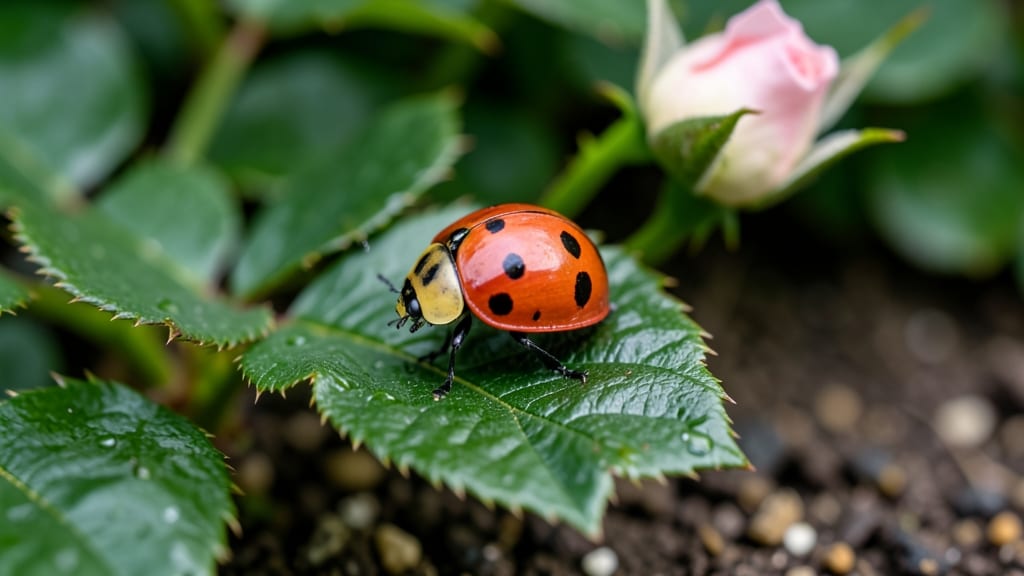
Those insects in rose plants are ruining your blooms—Japanese beetles are the worst offenders, and I’ve cracked the code on beating them without toxic sprays. These metallic-green invaders leave behind lace-like leaves and chewed petals, but you can stop them before they ruin your blooms.
The first step is identification: aphids cluster on new growth, rose slugs create silvery trails, and Japanese beetles? They’re the shiny, striped bullies of the garden.
Once you spot them, act fast—companion plants like garlic, chives, and marigolds repel pests naturally, while neem oil or insecticidal soap knocks them out without harming bees.
You’ll see results within a week of consistent treatment—fewer holes, more blooms, and roses that stay vibrant all season. The best part? These methods protect your plants and the pollinators you want in your garden.
For stubborn infestations, I’ll show you when to call in reinforcements (like beneficial nematodes) and how to combine strategies for long-term defense. No more helplessly watching your roses get devoured—this is how you take control.
Root Causes of Rose Invaders
Rose bushes are a magnet for insects—not because they’re weak, but because they’re delicious! 🌹🐛 These plants produce fragrant flowers, tender leaves, and sweet nectar, making them a prime buffet for pests.
Understanding why insects target your roses is the first step to protecting them naturally. Below, we break down the key reasons behind these uninvited guests, from environmental triggers to plant biology.
Insects don’t just attack healthy roses—they seek out plants that are already stressed or overripe. Here’s why:
- Excessive Nitrogen: Roses fed with too much nitrogen (common in fast-release fertilizers) produce soft, lush growth that’s irresistible to aphids, spider mites, and whiteflies. These pests thrive on tender, nutrient-rich tissue, which is easier to pierce and consume.
- Waterlogged Soil: Overwatering or poor drainage creates the perfect breeding ground for fungal diseases (like black spot) and soft-bodied insects like mealybugs. Roots suffocate, and the plant’s immune system weakens, making it an easy target.
- Late Blooms & Seed Pods: Roses left to develop hips (seed pods) after flowering attract rose slugs (sawfly larvae) and Japanese beetles, which lay eggs in the stems. These pests emerge when the plant is already nutrient-depleted from blooming.
Pro Tip: 💡 Balance is key! Use a slow-release, organic fertilizer (like compost or worm castings) and water deeply but infrequently to encourage root strength over rapid top growth.
Insects are opportunists—they move in when conditions are just right. Roses provide both food and shelter, making them high-value real estate for pests. Here’s how your garden might be unknowingly inviting them:
| Factor | Why It Attracts Pests |
|---|---|
| Warm, Humid Microclimates | Spider mites and thrips love dry heat, while aphids and scale thrive in shady, damp spots. Roses planted too closely together trap moisture, creating a pest paradise. |
| Lack of Predator Habitats | Many beneficial insects (like ladybugs and lacewings) need diverse plantings to hunt pests. A rose garden with no companion plants leaves roses vulnerable to outbreaks. |
| Windbreaks & Dense Foliage | Tall grasses, fences, or other plants near roses can block airflow, increasing humidity. This encourages fungus gnats and leafhoppers, which thrive in stagnant, moist environments. |
Actionable Fix: ✨ Space roses 3–4 feet apart for airflow, and interplant with herbs (like rosemary or lavender) to disrupt pest cycles naturally.
Roses aren’t just pretty—they’re evolutionarily designed to attract pollinators… and their predators. Here’s how their biology makes them a pest hotspot:
- Nectar-Rich Flowers: Roses produce sugary nectar to lure bees and butterflies—but aphids and ants also crave this sugar. Once ants find a rose, they farm aphids for their honeydew secretions, creating a vicious cycle.
- Volatile Oils & Scent: The aromatic compounds in rose petals (like geraniol) can repel some insects but attract others, like Japanese beetles, which are drawn to the scent.
- New Growth Hotspots: Young, unhardened leaves are a favorite snack for rose slugs and leafcutter bees. Pruning stimulates fresh growth, which pests immediately target.
Smart Strategy: 🎯 Prune roses early in the morning when pests are least active, and remove fallen petals to deny aphids a breeding ground.
Now that you know why insects invade your roses, the next step is turning the tables with targeted, chemical-free defenses—stay tuned!
Natural Fixes for Rose Plant Pests
When insects invade your rose plants, the key is acting fast with targeted, eco-friendly solutions. Below are proven methods to tackle common pests—from aphids to Japanese beetles—without harsh chemicals. Each fix is paired with prevention tips to keep your roses thriving long-term.
How to Fix It: Aphids cluster on new growth, sucking sap and leaving behind sticky honeydew. Here’s how to evict them:
- 🔥 Blast Them Off Use a strong stream of water from your hose to dislodge aphids from leaves and stems. Repeat every 2–3 days until they’re gone. - 🍳 Soapy Water Spray Mix 1 tablespoon of mild liquid soap (like Castile soap) with 1 quart of water.
Spray directly on infested areas, focusing on the undersides of leaves where aphids hide. Reapply after rain. - 👨🍳 Introduce Beneficial Insects Ladybugs, lacewings, and parasitic wasps are aphid predators. Buy them online or attract them by planting dill, fennel, or marigolds nearby.
💡 Prevention Tip: Plant garlic, chives, or thyme around your roses—their strong scent repels aphids naturally.
How to Treat It: These metallic-green beetles skeletonize rose leaves in hours. Stop them with these tricks:
- 🔪 Handpick & Drown Fill a bucket with soapy water and pick beetles off by hand (wear gloves!). Drop them in the bucket to kill them instantly. - 🥘 Trap with a DIY Beer Jar Bury a jar filled with beer or apple cider vinegar near your roses.
The scent lures beetles in—dispose of them daily. - 🌡️ Neem Oil Spray Mix 1 teaspoon neem oil + 1 teaspoon mild soap + 1 quart of water. Spray in the early morning or evening to avoid harming bees. Reapply every 5–7 days.
💡 Prevention Tip: Apply kaolin clay (like Surround WP) to rose leaves—it creates a barrier beetles avoid. Reapply after rain.
How to Turn It Around: These microscopic pests thrive in dry heat, spinning webs on leaves. Combat them with:
- 🍎 Increase Humidity Spider mites hate moisture. Mist your roses daily or place a tray of water near them to raise humidity. - 🌿 Companion Planting Surround roses with basil, mint, or lavender—their fragrance deters mites. - ✨ Horticultural Oil Spray Use summer or dormant oil (like neem-based oils) to smother mites.
Spray evenly on both leaf sides and repeat weekly until gone.
💡 Prevention Tip: Prune regularly to improve airflow—mites love crowded, dry foliage.
How to Fix It: These caterpillar-like pests devour buds and leaves. Remove them with:
- 🔪 Manual Removal Pick off larvae by hand and drop them into soapy water. Check buds and new growth daily. - 🥘 Diatomaceous Earth (DE) Sprinkle food-grade DE around the base of plants.
It’s harmless to roses but deadly to soft-bodied pests. - 🌱 Encourage Birds & Predatory Beetles Install a bird feeder or bat house—they love munching on sawfly larvae.
💡 Prevention Tip: Remove fallen leaves and debris from under roses—larvae pupate in the soil.
- 🌱 Healthy Soil = Strong Roses Amend soil with compost and mycorrhizal fungi to boost plant resilience. - ⏰ Prune in Early Morning Remove infested branches before pests spread.
Sterilize pruners with rubbing alcohol. - 🌿 Rotate Companion Plants Plant nasturtiums, borage, or comfrey near roses—they repel pests naturally.
✨ Pro Tip: Always test sprays on a small leaf first to avoid damage. And remember—consistency is key! Check your roses weekly for early signs of pests.
Frequently asked questions
Why do Japanese beetles specifically target rose plants?
Japanese beetles are drawn to roses because they love the sugary nectar and aromatic oils in the leaves and flowers. The scent of geraniol (a compound in roses) actually attracts them more than other plants. These beetles also prefer tender, new growth, which roses produce abundantly after pruning.
How often should I check my rose plants for insects?
Inspect your roses every 3-5 days during peak growing season (spring to early fall). Focus on the undersides of leaves, new buds, and stems—these are prime hiding spots. Early detection lets you treat problems before they spread, saving your blooms.
Can I use neem oil on roses that are already in bloom?
Yes, but with caution! Neem oil is safest when applied early morning or late evening to avoid harming bees. Wait until flowers are fully open before spraying, and avoid blooms entirely if possible. The oil works best as a preventative—spray every 7-10 days during active growing season.
What's the fastest way to get rid of rose slugs?
For immediate results, handpick larvae and drop them in soapy water. Then apply diatomaceous earth around the base of plants—it dehydrates the pests within hours. For long-term control, introduce parasitic wasps (like Trichogramma) that naturally prey on rose slug eggs.
Will companion plants really protect my roses?
Plants like garlic, chives, and marigolds disrupt pest cycles by confusing their scent trails. The key is diversity—mix herbs, flowers, and low-growing plants around your roses. This creates a natural barrier while attracting beneficial insects that eat garden pests.