
Diseases
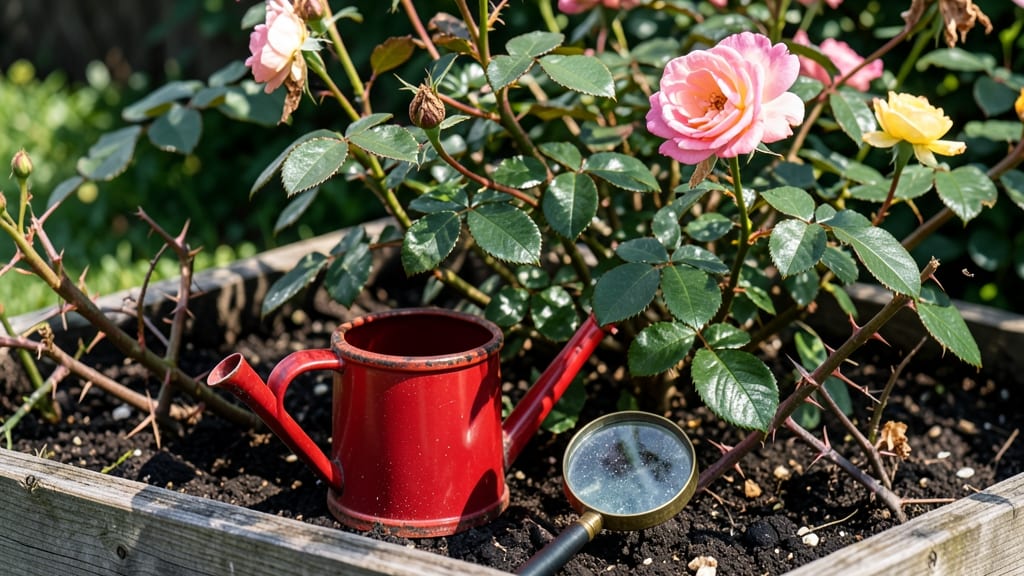
Your roses are signaling trouble when you ask, "Why are my rose petals turning brown?"—this is your wake-up call. 🌹 I’ve seen this happen after a single rainy week, and the good news is most causes have fast fixes before your bushes look like they’ve been through a war.
The first step is figuring out whether you’re dealing with a fungal party (like black spot), bacterial bad vibes, or just environmental stress.
Fungal infections like black spot show up as dark spots with yellow halos, while bacterial issues create water-soaked, mushy petals. Environmental stress—think too much sun, underwatering, or sudden temperature swings—leaves petals crispy and brown around the edges.
The key is checking the undersides of leaves for spots or pests first, because that tells you exactly what to treat.
Here’s the quick fix: prune infected stems below the browning, water at the base (not overhead), and apply a copper fungicide if you spot black spots. For environmental stress, adjust your watering schedule or move pots to a more shaded spot.
Most roses bounce back in 2-3 weeks with these tweaks—no heavy-duty chemicals needed.
Prevention is easier than cleanup: space plants for airflow, mulch to keep roots moist but not soggy, and inspect leaves weekly. If brown petals keep coming back after your fixes, it might be time to call a local rose expert—they’ll spot what you’re missing.
Root Causes Of Browning Petals
When your rose petals start turning brown, it’s often a cry for help from your plant—whether due to environmental stress, fungal infections, or even overzealous care. Understanding the why behind the browning is the first step to saving your roses.
Below, we break down the most common culprits, backed by science, so you can diagnose and treat the issue like a pro.
Roses are sensitive to sudden temperature changes, especially when combined with humidity fluctuations. Cold snaps, frost, or scorching heat can cause cell damage, leading to brown, crispy petals. Even chilling injury (when temperatures drop below 40°F/4°C but don’t freeze) can trigger browning by disrupting cell membranes.
🔍 How to spot it:
- Browning appears uniformly across petals, often with a papery or brittle texture.
- New growth may also look stunted or wilted.
- Symptoms worsen in early morning or after hot afternoons.
💡 Fix it:
- Mulch around the base with 3–4 inches of organic matter (like straw or wood chips) to insulate roots.
- Water deeply before a frost to help roots absorb moisture, acting as a natural antifreeze.
- Provide afternoon shade in hot climates (use shade cloth if needed).
- Avoid overhead watering when temps are extreme—soak at the base instead.
Roses hate soggy feet. Excess moisture leads to root rot (caused by fungi like Phytophthora), which starves the plant of nutrients and oxygen, turning petals brown. Poor drainage or compacted soil worsens the problem by trapping water at the roots.
🔍 How to spot it:
- Browning starts at the edges of petals and spreads inward.
- Leaves may yellow (chlorosis) or develop black spots.
- Soil smells musty or sour when wet.
- Stems feel mushy when pressed near the base.
💡 Fix it:
- Improve drainage by amending soil with perlite, sand, or compost (aim for a 50/50 mix of existing soil and amendments).
- Water only when the top 1–2 inches of soil are dry—stick your finger in to test!
- Ensure pots have drainage holes and elevate them slightly.
- If root rot is severe, prune affected stems with sterilized shears and repot in fresh soil.
Fungal diseases like black spot (Diplocarpon rosae) and powdery mildew (Sphaerotheca pannosa) thrive in humid, shaded conditions and cause brown, necrotic spots on petals and leaves. These pathogens clog stomata (leaf pores), preventing gas exchange and leading to wilting and browning.
🔍 How to spot it:
- Black spot: Dark brown/black spots with yellow halos; petals may drop prematurely.
- Powdery mildew: White, powdery coating on petals that turns brown and crusty.
- Leaves may curl or drop if the infection spreads.
💡 Fix it:
- Prune infected foliage immediately (sterilize shears with rubbing alcohol between cuts).
- Apply a copper fungicide (like Bordeaux mixture) or neem oil every 7–10 days during wet seasons.
- Space plants for good airflow (3–4 feet apart) and avoid overhead watering.
- Water in the early morning so leaves dry by nightfall.
Browning petals can signal a mineral deficiency, particularly magnesium (Mg) or potassium (K). Magnesium helps regulate chlorophyll, while potassium strengthens cell walls. Without enough of these, petals brown and crisp from the edges inward.
🔍 How to spot it:
- Browning starts at the petal tips or edges and progresses inward.
- Older leaves may show interveinal yellowing (Mg deficiency) or brown scorch marks (K deficiency).
- New growth is weak or stunted.
💡 Fix it:
- Test your soil with a home kit or lab test to confirm deficiencies.
- Add Epsom salt (magnesium sulfate)—mix 1 tbsp per gallon of water and apply as a foliar spray or soil drench every 2 weeks.
- Use a balanced fertilizer (10-10-10) or a potassium-rich option (like banana peel tea) in early spring.
- Avoid over-fertilizing with nitrogen-heavy products, which can worsen deficiencies.
Tiny pests like spider mites and thrips suck sap from rose petals, causing brown, stippled, or dried-out spots. Their saliva also triggers oxidative stress in plant cells, accelerating browning. Heavy infestations can distort buds before they even open.
🔍 How to spot it:
- Fine webbing (spider mites) or tiny black specks (thrips frass) on petals.
- Petals may curl or pucker before browning.
- New buds fail to open or appear deformed.
💡 Fix it:
- Blast pests off with a strong spray of water (repeat every 3 days).
- Use insecticidal soap or neem oil (spray every 5–7 days until pests are gone).
- Introduce beneficial predators like ladybugs or predatory mites.
- Keep roses well-watered
Quick Fixes To Revive Your Roses
Now that you know the likely culprits behind those unsightly brown petals, it’s time to roll up your sleeves and bring your roses back to their vibrant best! 🌹✨ Below are practical, step-by-step solutions tailored to each cause—plus pro tips to keep your roses thriving long-term.
Problem: Soggy roots from overwatering or compacted soil suffocate roots, leading to petal browning.
Solution:
- 🔥 Check the Soil First Stick your finger 2 inches deep into the soil. If it’s damp, hold off on watering. Roses prefer well-draining soil—if water pools after rain, your drainage is the issue.
- 🍳 Improve Drainage Fast
- For pots: Add a layer of gravel or perlite at the bottom before repotting.
- For garden beds: Mix in coarse sand, compost, or organic matter (like coconut coir) to loosen the soil.
- Pro tip: Elevate containers on feet or saucers to prevent waterlogging.
- ⏰ Adjust Your Watering Schedule
- Water deeply but less frequently—aim for 1–1.5 inches per week (including rain).
- Water early in the morning to reduce fungal risks.
- Avoid wetting foliage (use a soaker hose or drip irrigation instead).
- 🌡️ Monitor Recovery Trim any mushroom-like growth (a sign of root rot) and repot if needed. Brown petals should improve within 1–2 weeks of better drainage.
Problem: Intense midday sun or dry heat causes petals to crisp and brown.
Solution:
- 👨🍳 Provide Afternoon Shade
- Use lightweight shade cloth (30–50%) or a breathable fabric draped over roses during peak sun (11 AM–3 PM).
- DIY hack: Plant tall sun-loving companions (like sunflowers or hollyhocks) nearby for natural shade.
- 🥘 Hydrate Like a Pro
- Mulch heavily (2–3 inches of straw or wood chips) to retain moisture.
- Mist petals lightly in extreme heat (use a spray bottle with rainwater in the morning).
- ✨ Choose Heat-Tolerant Varieties If sunburn is recurrent, swap out heat-sensitive roses (like hybrid teas) for disease-resistant, heat-loving breeds like:
- ‘Knock Out’ roses
- ‘Earth Song’ (disease-resistant)
- ‘Double Delight’ (tolerates heat well)
Problem: Fungal spores thrive in humid conditions, causing brown spots and petal drop.
Solution:
- 🔪 Prune Infected Areas Immediately
- Snip off browned leaves/petals with sterilized pruners (wipe with rubbing alcohol between cuts).
- Dispose of clippings in the trash (not compost)—fungi spread easily!
- 🌡️ Apply Fungicide (Organic or Chemical)
- Preventative spray: Mix 1 tbsp baking soda + 1 tsp neem oil + 1 quart water (spray weekly).
- For severe cases: Use copper fungicide or potassium bicarbonate (follow label instructions).
- Pro tip: Spray early morning or evening to avoid burning petals.
- 🎯 Improve Air Circulation
- Space plants 18–24 inches apart to reduce humidity buildup.
- Thin out crowded branches to let sunlight and air flow through.
- 💡 Long-Term Prevention
- Water at the base (avoid overhead spraying).
- Clean up fallen leaves/debris regularly (fungi love hiding there!).
- Rotate fungicides if using chemical treatments to prevent resistance.
Problem: Sap-sucking pests weaken roses, causing petals to brown and curl.
Solution:
- 🔥 Blast Off Pests with Water
- Spray roses with a strong hose (10–15 psi) to knock off aphids and mites.
- Repeat every 3–4 days until pests are gone.
- 🍳 Use Natural Repellents - Neem oil spray: Mix 1 tsp neem oil + 1 tsp mild soap + 1 quart water.
Spray every 5–7 days. - Insecticidal soap: Targets soft-bodied pests (aphids, mites). Reapply after rain. - DIY garlic spray: Blend 2 garlic cloves + 1 quart water, strain, and spray (pests hate the smell!).
- 🌿 Introduce Beneficial Insects
- Ladybugs and lacewings eat aphids. Buy them online or attract them with dill or fennel plants.
- Predatory mites control spider mites—sprinkle them on leaves in the evening.
- 🎯 Prevent Future Infestations
- Inspect new plants before bringing them home (quarantine for 2 weeks).
- Remove yellowing leaves (pests hide there).
- Avoid over-fertilizing with nitrogen (soft new growth attracts pests).
Problem: Nutrient deficiencies (especially magnesium, iron, or potassium) cause petal discoloration.
Solution:
- 📊 Test Your Soil
- Use a DIY soil test kit (available at garden centers) to check pH and nutrient levels.
- Ideal pH for roses: 6.0–6.5 (adjust with lime to raise or sulfur to lower).
- 💪 Fertilize Right
- Balanced rose fertilizer (10-10-10) in spring and early summer.
- For brown edges (potassium deficiency): Use wood ash or banana peel tea.
- For yellowing between veins (iron deficiency): Sprinkle Epsom salt (1 tbsp/gal water) monthly.
- 🥗 Feed the Soil, Not Just the Plant
- Compost around the base (but keep it 2–3 inches away from the stem).
- Mulch with well-rotted manure for slow-release nutrients.
- 💡 Trim damaged blooms to encourage new growth.
- ✨ Deadhead regularly (remove spent blooms to redirect energy).
- 🌡️ Monitor weather—cover roses if frost or sudden cold snaps are forecasted.
- 🎯 Rotate treatments if using chemicals to avoid resistance.
Remember: Roses are resilient! With the right care, your brown petals will fade into memory, and your bushes will reward you with lush, vibrant blooms in no time. 🌟🌹
Frequently asked questions
Why do rose petals turn brown at the edges first?
Edge browning usually signals environmental stress like underwatering, heat scorch, or low humidity. The outer cells dry out faster when moisture levels drop, creating that crispy edge. Check if your roses get afternoon sun or if the soil feels dry 1 inch deep—these are classic triggers.
Can I still use browned roses in arrangements?
Trim the stems below the browning and place them in fresh water with a flower preservative. The healthy stem tissue can still hydrate the blooms. For dramatic arrangements, pair them with fresh greenery to hide the discoloration while extending their vase life.
How do I tell if brown petals are from pests vs. disease?
Pest damage shows as stippled or speckled browning with tiny webs (spider mites) or black specks (thrips). Disease causes soft, mushy spots that spread quickly, often with yellow halos. Check leaf undersides—pests hide there, while fungal growth appears fuzzy or slimy.
Will pruning help if my entire bush has brown petals?
Yes, but focus on selective pruning—cut back only the most affected stems below the browning to encourage new growth. Avoid heavy pruning unless you see signs of severe disease (like black spot) or root rot. Prune in morning hours when tools are sterilized to prevent spreading issues.
How long does it take for roses to recover from browning?
With proper care, most roses show improvement in 2-3 weeks. Environmental stress fixes fastest (1-2 weeks), while fungal diseases may take 4-6 weeks to fully resolve. Monitor daily and adjust treatments—if browning persists after 30 days, consult a local nursery for soil testing or disease diagnosis.