
Planting
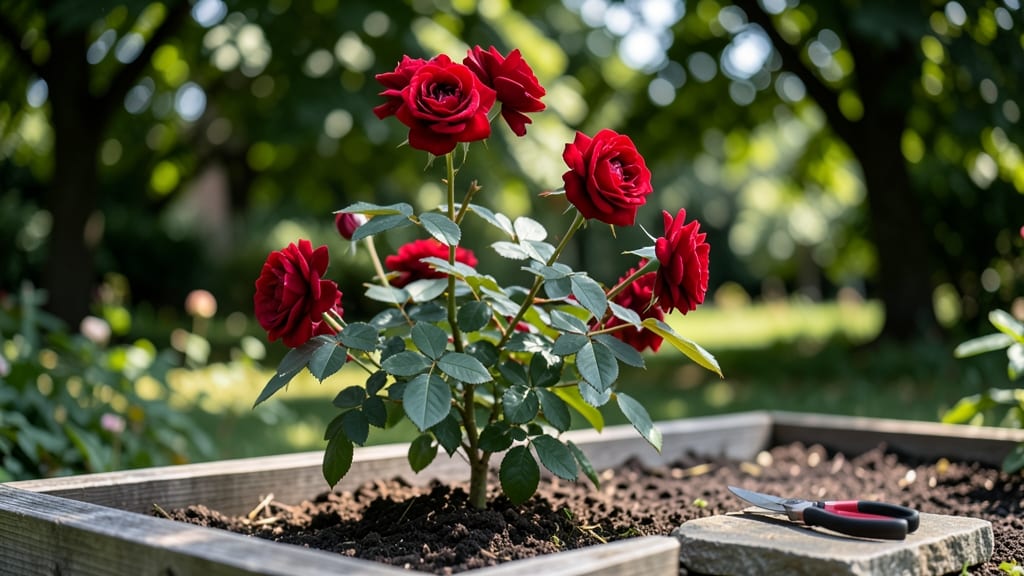
My Juliet rose plant transformed my garden with its velvety blooms and intoxicating scent—here’s how to grow one that thrives all year. 🌹 This fragrant climber isn’t just pretty; it’s hardy, disease-resistant, and blooms from early summer until frost, making it a standout for any garden.
The secret starts with the right spot: full sun (6+ hours daily) and well-draining soil mixed with compost. Juliet roses hate soggy roots, so amend heavy clay with sand or perlite.
Plant in early spring or fall, giving vines room to sprawl—think 6 feet tall and wide—or train them on an arbor for vertical drama. Water deeply once a week (more in heatwaves), but never let it sit in saucers.
Feed with rose-specific fertilizer every 6 weeks, and prune spent blooms to encourage more flowers. The key? Less is more—over-pruning cuts back next year’s blooms. For year-round care, mulch heavily in winter to protect roots, and watch for aphids (spray with soapy water if needed).
With this routine, your Juliet will reward you with hundreds of blooms and that classic rose fragrance you’ll crave all season.
📚 In This Guide
- What you need
- Instructions
- Tips and common mistakes
- Wrapping up and next steps
What you need
- ● Juliet Rose Plant: 1 healthy bare-root or potted plant (check for vibrant buds and no signs of disease).
- ● Well-draining soil: 3-5 gallons of a mix of 60% garden soil, 30% compost, and 10% perlite/sand (for aeration).
- ● Container or garden bed: For containers: 1 large pot (15-20 gallons) with drainage holes.
- ● For in-ground: A spot with 6+ feet of vertical space (for climbing) and full sun (6+ hours/day).
- ● Support structure: 1 trellis, arbor, or fence (at least 6 feet tall).
- ● Organic fertilizer: 1 balanced, slow-release fertilizer (e.g., 10-10-10 or rose-specific blend).
- ● Mulch: 2-3 inches of organic mulch (e.g., wood chips or straw) to retain moisture.
- ● Pruning shears: 1 sharp, sterilized pair (for trimming dead blooms or shaping).
- ● Watering can or hose: With a gentle spray nozzle (to avoid damaging tender stems).
- ● Epsom salt: 1 tablespoon (for magnesium boost during blooming season).
- ● Rose food: Liquid fertilizer (e.g., fish emulsion) for a mid-season nutrient kick.
- ● Pest control: Neem oil or insecticidal soap (preventative measure for aphids).
- ● Garden gloves: To protect your hands while handling thorns.
- ● Stakes or ties: Soft plant ties to secure young canes to the trellis.
Step-by-step instructions for planting and caring for Juliet roses
This fragrant climber thrives with the right balance of sun, support, and seasonal attention.
🌱 Step 1: Choose the Perfect Planting Spot and Prepare the Soil
Juliet roses love full sun—at least 6-8 hours daily. I always pick a location where they’ll get morning sun and afternoon shade if temperatures climb above 85°F. The soil should drain well but retain moisture; amend heavy clay with 2-3 inches of compost or organic matter to improve aeration.
Dig a hole twice as wide as the root ball but no deeper. Loosen the roots gently if they’re circling—this encourages outward growth. Place the plant so the graft union (a slight bump near the base) sits 2-3 inches above soil level. This prevents disease and ensures strong regrowth after pruning.
☀️ Step 2: Plant with Support and Water Deeply
Juliet roses need sturdy support—install a 5-6 foot trellis, arbor, or sturdy post right at planting. The plant will climb aggressively, so secure it loosely with soft ties (never wire, which can cut stems). Water deeply right after planting to settle the soil and eliminate air pockets around the roots.
Mulch with 2-3 inches of organic mulch (like shredded bark) to retain moisture and regulate soil temperature. Keep mulch 3-4 inches away from the stem to prevent rot. You’ll know it’s working when the soil stays consistently moist but not soggy—check by sticking your finger 1 inch deep.
💧 Step 3: Water Consistently and Fertilize Seasonally
Juliet roses need 1-1.5 inches of water weekly, more in extreme heat. Water at the base in the morning to reduce evaporation and fungal risks. Avoid wetting the leaves—this is how black spot and powdery mildew start. You’ll see healthy growth when new leaves emerge vibrant green and stems firm up.
Feed with a balanced rose fertilizer (10-10-10) every 4-6 weeks during growing season (spring to fall). In late summer, switch to a low-nitrogen, high-phosphorus fertilizer to encourage blooming. Stop fertilizing in fall to let the plant harden off for winter.
✂️ Step 4: Prune for Shape and Encourage Blooms
Prune Juliet roses in early spring (before new growth starts) and again after each flush of blooms. Cut back 1/3 of last year’s growth to open the center and improve airflow. Remove any dead, diseased, or crossing branches—this prevents pests and strengthens the plant.
For climbing roses, focus on training new canes along the support. Pinch back the tips of vigorous shoots to encourage bushier growth. You’ll know you’re doing it right when the plant fills out with lush foliage and fragrant blooms by mid-summer.
⏰ Step 5: Protect and Prepare for Winter
Juliet roses are hardy but benefit from winter protection in colder zones. Once temperatures drop below 20°F, mound 4-6 inches of mulch around the base. Wrap the plant loosely in burlap or a rose-specific blanket, securing it with twine but leaving room for airflow.
Remove winter protection in early spring once new growth appears. Prune again to shape and remove any winter-damaged stems. With consistent care, your Juliet rose will reward you with fragrant blooms from early summer until frost.
Tips & tricks for perfect Juliet rose plant care
Common pitfalls—and how to sidestep every one—when growing Juliet roses. These tricks will help you nurture a thriving, fragrant climber that keeps blooming all season.
Sunlight Strategy: Juliet roses need that full sun—at least 6-8 hours daily—but here's the thing: if your summers hit 85°F or hotter, afternoon shade becomes crucial. I've seen roses scorch in direct afternoon sun when temps climb. Try planting near a fence or wall that provides natural shade during peak heat hours. Morning sun builds energy, while afternoon shade prevents stress.
Root Health Secret: When planting, don't skip loosening those circling roots—this encourages outward growth instead of a tangled mess. I learned this the hard way after seeing roots grow in circles for years. Also, that graft union (the bump near the base) should sit 2-3 inches above soil level. Planting it too deep can cause rot or weak regrowth after pruning. Trust me, this small detail makes a big difference.
Watering Wisdom: The 1-1.5 inches of water weekly is your baseline, but don't just eyeball it. Use a rain gauge or mark a can to measure accurately. Watering at the base in the morning prevents fungal diseases that love wet leaves. And that soil moisture check? Stick your finger 1 inch deep—if it's dry, it's time to water. Consistency is key for these thirsty climbers.
Winter Protection: When temps drop below 20°F, that 4-6 inches of mulch becomes your rose's winter blanket. But here's what nobody tells you—leave some airflow around the plant. I once saw a rose smothered under too much mulch that led to rot. Use burlap or rose-specific blankets loosely, securing with twine but leaving room for air circulation. This balance keeps roots protected while preventing suffocation.
Pro Tips for Juliet Rose Plant
- Common pitfalls—and how to sidestep every one—when growing Juliet roses.
- Sunlight Strategy: Juliet roses need that full sun—at least 6-8 hours daily—but here's the thing: if your summers hit 85°F or hotter, afternoon shade becomes crucial.
- Root Health Secret: When planting, don't skip loosening those circling roots—this encourages outward growth instead of a tangled mess.
Frequently asked questions
How often should I water my Juliet Rose plant?
The Juliet Rose prefers consistently moist (but not soggy) soil. Water deeply 1-2 times per week, adjusting for climate—more in summer heat, less in winter dormancy. Check soil 1-2 inches down; if it’s dry, it’s time to water. Mulch around the base to retain moisture and protect roots. Overwatering is a common killer, so drainage is key!
When is the best time to prune my Juliet Rose?
Prune your Juliet Rose twice a year for optimal growth:
- Late winter/early spring (before new growth): Remove dead, diseased, or crossing branches to shape the plant and encourage airflow.
- After flowering (late summer): Trim back 1/3 of the oldest canes to promote new, vigorous growth and next year’s blooms.
Can I grow a Juliet Rose in a container? If so, what size pot do I need?
Juliet Roses thrive in containers if given proper space and care. Choose a pot at least 15-20 gallons (18-24” diameter) with drainage holes. Since they’re vigorous climbers, opt for a deep, wide container to support root growth. Repot every 2-3 years and use well-draining potting mix (add perlite or sand if needed). Container plants need more frequent watering—check daily in hot weather!
What pests should I watch for, and how do I treat them?
Juliet Roses are pest-resistant, but keep an eye out for:
- Aphids: Clustered on new growth. Blast off with water or use neem oil.
- Japanese beetles: Chew leaves. Handpick or use milky spore treatment.
- Spider mites: Tiny webs on undersides. Spray with water and increase humidity.
How do I protect my Juliet Rose in winter?
Juliet Roses are hardy to USDA Zones 5-10, but young plants or colder climates need extra care:
- Mulch heavily (4-6” of straw or shredded bark) around the base to insulate roots.
- Wrap the plant in burlap or frost cloth if temps drop below 10°F.
- Avoid pruning in late fall—wait until late winter to prevent new growth that could frost.
Wrapping up and next steps
The Juliet Rose plant is a fragrant, low-maintenance beauty that rewards patience with stunning blooms and intoxicating scents. Whether you’re a seasoned gardener or just starting, its adaptability makes it a perfect addition to your outdoor space—just follow the right care blueprint! 🌸
Now that you’re armed with the materials, techniques, and FAQs to keep your Juliet Rose thriving, it’s time to roll up your sleeves and get planting.
Start small, observe your plant’s needs, and soon you’ll be enjoying a lush, blooming climber that brings joy year after year. Happy gardening! 🌱✨