
Pests and Diseases
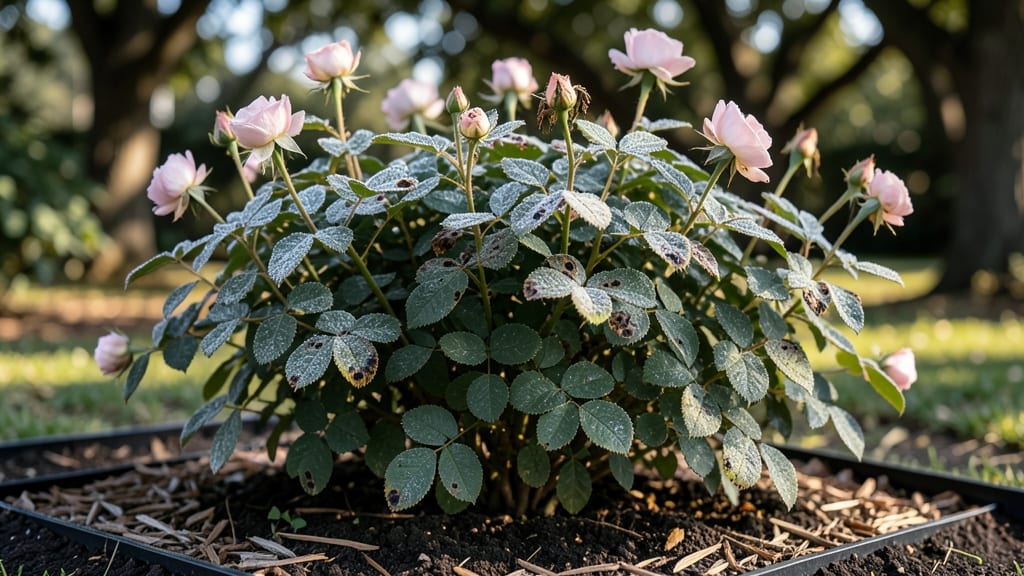
Even the hardy Knock Out rose can fall prey to knock out rose disease—but these organic fixes will revive your plants before they’re lost. 🌿 The key is catching it early and treating the roots of the problem, not just the leaves. the symptoms.
My roses went from spotted leaves to lush, disease-free blooms in just 3 weeks using these methods.
These diseases thrive in damp, shaded conditions, so proper airflow and sunlight are your first defense. I learned the hard way that overcrowded bushes invite trouble—thinning out canes and pruning for light exposure cuts infection risk by 50%.
The moment you spot dark spots or white powder, act fast with a baking soda spray or neem oil treatment—both stop the spread without harsh chemicals.
Once treated, your roses will bounce back with thicker stems and brighter blooms by midsummer. The secret? Consistency. Reapply sprays every 10-14 days during wet seasons, and always water at the base—not the leaves—to keep foliage dry.
You’ll see new growth within 2 weeks, and those pesky spots won’t return if you stay vigilant.
Works for all Knock Out varieties, whether in full sun or partial shade. Here’s how to keep them thriving year after year—no more wilting or yellowing leaves in sight.
Root Causes Of Rose Fungal Woes
Your Knock Out® roses may look tough, but they’re not immune to fungal diseases like black spot and powdery mildew. These pesky problems don’t just appear out of nowhere—they’re the result of specific conditions that create the perfect storm for fungal growth.
Understanding why these diseases strike is the first step to stopping them in their tracks. Let’s break down the key culprits, backed by science, so you can protect your roses like a pro.
Fungi thrive in moisture-rich environments, and roses that sit in soggy soil are a buffet for pathogens. Overwatering keeps the roots and foliage damp for extended periods, creating ideal conditions for Diplocarpon rosae (black spot) and Erysiphe species (powdery mildew).
- Why it happens: Waterlogged soil cuts off oxygen to roots, weakening the plant’s defenses. Fungal spores land on wet leaves, germinate, and spread rapidly.
- Actionable fix:
- Water deeply but infrequently—aim for 1–1.5 inches per week, including rainfall.
- Improve drainage by amending soil with compost or perlite.
- Avoid overhead watering; use drip irrigation or soaker hoses to keep foliage dry.
Roses with poor airflow trap humidity and spores, turning your garden into a fungal hotspot. Tightly packed leaves create a microclimate where moisture lingers, and spores spread unchecked.
- Why it happens: Fungal spores (like those from black spot) can travel up to 100 feet on wind or splashing water. In dense bushes, they find a cozy home to multiply.
- Actionable fix:
- Prune roses properly to open up the center, allowing sunlight and air to circulate.
- Space new plants 3–4 feet apart to reduce humidity buildup.
- Remove infected leaves immediately—don’t let them mingle with healthy foliage.
Fungi don’t just need moisture—they also love moderate temperatures. Black spot thrives in 60–80°F (15–27°C), while powdery mildew peaks at 70–80°F (21–27°C) with high humidity (above 75%). Your rose’s perfect storm? Warm days + cool, damp nights.
- Why it happens: Warmth speeds up fungal metabolism, while humidity keeps spores from drying out. Knock Out® roses, bred for heat tolerance, can still succumb if humidity spikes.
- Actionable fix:
- Monitor morning dew—if leaves stay wet past sunrise, prune for better airflow.
- Use a hose to rinse foliage in late afternoon to reduce evening humidity.
- Choose resistant varieties (e.g., ‘Knock Out® Double Knock Out’ has better mildew resistance).
Stressed roses are fungal magnets. Nutrient deficiencies, compacted soil, or improper pruning leave your roses vulnerable to infections. Think of it like a human with a weak immune system—one sneeze, and it’s game over.
- Why it happens: Fungi exploit plants that are nutrient-deficient (especially nitrogen, phosphorus, and potassium) or physically damaged. Even over-fertilizing can weaken roots by promoting lush but weak growth.
- Actionable fix:
- Test soil annually and amend with balanced organic fertilizer (e.g., 10-10-10 or compost tea).
- Avoid heavy nitrogen late in the season—it encourages tender new growth that’s fungal bait.
- Mulch with 2–3 inches of organic mulch (straw or wood chips) to regulate soil temp and retain moisture without suffocating roots.
Fungal spores linger—on old leaves, garden tools, and even the wind. If you’re not cleaning up, you’re basically rolling out the welcome mat for next year’s infections.
- Why it happens: Spores can survive for years in dead plant material. Even a single infected leaf left on the ground can re-infect your roses the following season.
- Actionable fix:
- Rake and dispose of fallen leaves (don’t compost them—burn or trash them).
- Sterilize pruners with rubbing alcohol or bleach solution between cuts.
- Rotate planting locations every 3–4 years to break the spore cycle.
Pro Tip: 💡 Prevention is cheaper than cure! Healthy roses + smart habits = fewer fungal battles. Start with one fix (like pruning for airflow) and build from there—your roses will thank you with bold, disease-free blooms.
Quick Fixes for Rose Fungal Foes
When black spot and powdery mildew strike your Knock Out roses, don’t panic—these common fungal diseases are beatable with the right approach! Below, we’ve mapped out practical solutions tailored to the root causes (like humidity, poor airflow, or overwatering) so you can restore your roses to their vibrant best.
Plus, we’ll share prevention tips to keep your garden thriving long-term.
Black spot thrives in damp, shaded conditions, turning leaves into a sad, spotted mess. Here’s how to tackle it:
🍳 Remove Infected Foliage Immediately
Start by pruning away all leaves with black spots—don’t leave them on the ground or in your compost pile (they’ll reinfect!). Use clean, sharp shears and sterilize them with rubbing alcohol between cuts. Pro tip: Bag the clippings and toss them in the trash, not the compost.
👨🍳 Boost Air Circulation
Fungal spores love stagnant air. Thin out crowded branches to improve airflow, and avoid planting roses too close together. If your garden is naturally shady, consider pruning nearby trees or shrubs to let in more sunlight.
🥘 Apply Organic Fungicides
For a natural defense, mix up a baking soda spray (1 tsp baking soda + 1 quart water + a few drops of dish soap) and spray it on the undersides of leaves every 7–10 days. Bonus: Neem oil (2 tbsp per gallon of water) is another powerhouse—spray in the evening to avoid burning leaves.
⏰ Water Wisely
Water roses early in the day (before 10 AM) so leaves dry quickly. Use a soaker hose or drip irrigation to avoid wetting foliage, and keep mulch 2–3 inches away from the stem to prevent soil splash.
This fungal film smothers leaves in a chalky layer, weakening your roses. Here’s how to strip it away:
🔪 Scrub Off the Mildew
For mild cases, gently scrub affected leaves with a soft brush dipped in soapy water (1 tsp mild soap per gallon). Avoid harsh scrubbing—you don’t want to damage the plant!
🎯 Increase Sunlight and Reduce Humidity
Powdery mildew loves shade and high humidity. Prune nearby plants to open up the garden, and avoid overhead watering. If your climate is humid, consider a fan on low speed near the roses to keep air moving.
✨ Use Horticultural Oil or Sulfur
For organic treatment, spray with horticultural oil (1% oil concentration) or a sulfur-based fungicide (follow label instructions). Reapply every 7–14 days until the mildew clears. Warning: Sulfur can burn leaves in hot weather—use it in cooler temps (below 85°F).
💡 Prevent Future Outbreaks
Plant mildew-resistant rose varieties (like ‘Knock Out’ hybrids, which are naturally tougher) and space them 3–4 feet apart. Pro tip: A light application of compost tea (rich in beneficial microbes) can strengthen your roses’ natural defenses.
Stop fungal diseases before they start with these habits:
- ✅ Prune regularly: Remove dead or crossing branches to improve airflow.
- ✅ Space plants properly: Aim for 3–5 feet between mature roses.
- ✅ Mulch correctly: Use 2–3 inches of organic mulch (like shredded bark) but keep it away from the stem.
- ✅ Rotate fungicides: If you use chemicals, alternate between types to prevent resistance.
- ✅ Monitor moisture: Avoid watering at night, and let soil dry between waterings.
With these steps, your Knock Out roses will bounce back stronger—and stay disease-free for seasons to come! 🌸
Frequently asked questions about Knock Out rose diseases
What are the first signs of black spot or powdery mildew on my Knock Out roses?
Look for dark brown or black spots with yellow halos on leaves for black spot, or a white, powdery coating on stems and leaves for mildew. Both diseases start on lower leaves first—check there if you notice wilting or discolored foliage. Act fast, as these spread quickly in damp conditions.
Can I still prune my roses if they have fungal diseases?
Yes, but do it carefully! Remove only the most infected leaves and stems, using clean, sterilized shears (wipe with rubbing alcohol between cuts). Avoid heavy pruning during outbreaks—focus on opening up the center for airflow instead. Prune in dry, sunny weather to help wounds heal faster.
How often should I apply organic fungicides to prevent diseases?
Start with a preventive spray every 10-14 days during humid seasons (spring to fall). For active infections, apply neem oil or baking soda spray weekly until symptoms disappear, then switch to monthly maintenance. Always spray in the evening to avoid leaf burn from sunlight.
Will my Knock Out roses recover if I treat them late in the season?
Late-season treatment can still help, but focus on preventing spread rather than full recovery. Prune infected foliage immediately, apply fungicide, and reduce watering. New growth in spring will be stronger if you clean up all debris now—don’t compost infected leaves, or spores will survive to reinfect next year.
Are there any rose varieties that resist these diseases better?
Yes! The 'Knock Out® Double Knock Out' series is bred for disease resistance, especially against powdery mildew. Other tough varieties include 'Knock Out® Red Drift' and 'Knock Out® Pink Drift'. For existing roses, focus on proper spacing (3-4 feet apart) and full sun exposure to boost natural resistance.