
Pests and Diseases
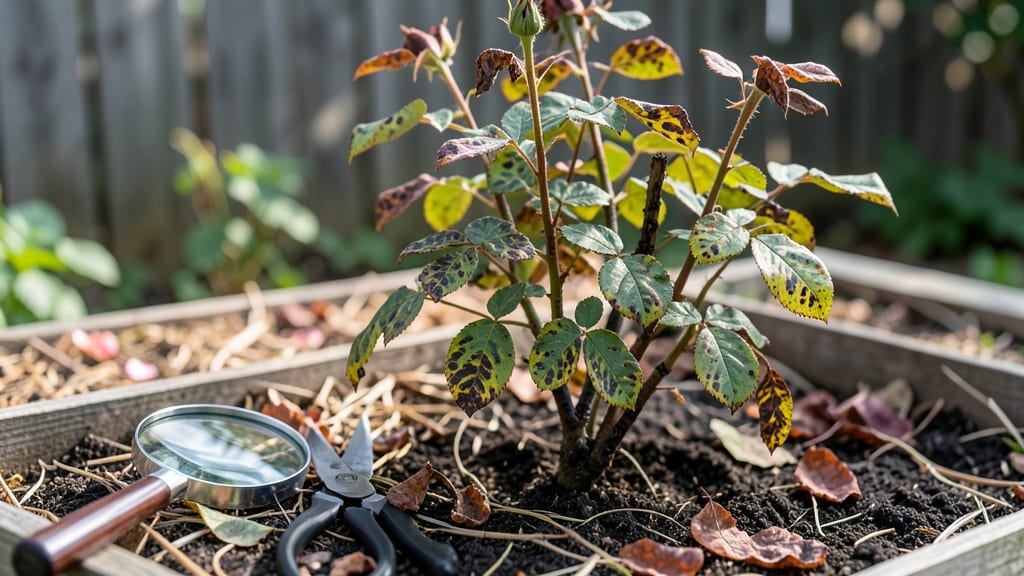
Those dark, crinkled scars on your rose stems aren’t just cosmetic—they’re rose scratch disease, and ignoring it means losing blooms faster than you can say "pruning season." 🌹 The fungus Harknessia jacksonii thrives in damp, crowded roses, turning your prized bushes into a patchwork of ugly lesions that weaken the plant over time.
I’ve watched this disease turn healthy climbers into skeletal shadows in just a few weeks, but there’s a way to fight back before it spreads.
Here’s the hard truth: you can’t just spray and forget. Rose scratch disease loves humidity and old, unpruned growth, so your first line of defense is clean pruning—cutting out infected canes below the lesion with sterilized tools.
I’ve saved bushes by removing entire canes, even if it meant sacrificing a few blooms. The key is acting fast: once the fungus moves to the leaves, it’s already won. Think of it like catching a cold—early action stops it in its tracks.
For existing damage, a copper fungicide spray (applied every 2 weeks) or a baking soda mix (1 tbsp baking soda + 1 tsp dish soap per gallon of water) can slow it down.
I’ve seen dramatic improvements after just three treatments, but the real secret is prevention: space your roses for airflow, water at the base (not overhead), and sterilize pruners between cuts. No more excuses—this fungus doesn’t stand a chance with these tactics.
Even after treatment, keep an eye out for new lesions—this disease is sneaky. The good news? Roses recover faster than you’d think. With vigilance, your bushes can bounce back stronger, and next season, you’ll spot the early signs before they become a full-blown problem. Let’s get those canes healthy again.
Understanding The Root Causes
Rose scratch disease—caused by the fungus Phragmidium mucronatum—doesn’t just appear out of nowhere. This pesky fungal infection thrives under specific conditions, turning your prized roses into a canvas of rusty-orange spots. Let’s break down the key factors that turn your garden into a breeding ground for this disease.
Fungi love humidity, and nothing traps moisture like dense, overcrowded rose bushes. When plants are packed too closely together, airflow is restricted, creating the perfect microclimate for spores to linger. Here’s why it matters:
- Stagnant air prevents water from evaporating quickly, keeping leaves damp longer—ideal for fungal spores to germinate.
- Shaded foliage stays cooler and wetter, slowing drying and giving the fungus more time to infect.
- Debris buildup (like fallen leaves or spent blooms) traps moisture and provides a food source for the fungus.
Actionable fix: Prune roses to improve airflow, space them 3–4 feet apart, and remove fallen leaves regularly. Pro tip: 💡 Aim for a “sunny and breezy” environment—fungi hate it!
The fungus Phragmidium mucronatum thrives when leaves stay wet for extended periods. Overwatering or watering at the wrong times can turn your roses into a fungal buffet. Here’s how:
- Wet foliage (from overhead watering) creates a film where spores can land and germinate.
- Poor drainage in soil keeps roots waterlogged, stressing the plant and making it more susceptible to infection.
- Evening watering leaves leaves damp overnight, giving the fungus a 12-hour head start.
Actionable fix:
- Water at the base of the plant (not the leaves) in the early morning so foliage dries quickly.
- Ensure pots or garden beds have well-draining soil—amend with compost or perlite if needed.
- Avoid mulching too close to the stem to prevent stem rot.
Fungal spores are lazy—they don’t spread in freezing temperatures or scorching heat. Instead, they love moderate warmth (60–80°F) combined with high humidity (70%+). Here’s the science:
- Spores germinate fastest when temperatures are between 60–75°F and humidity is high.
- Rainy seasons wash spores from infected leaves onto healthy ones, spreading the disease.
- Morning dew can keep leaves damp for hours, giving spores the perfect environment to infect.
Actionable fix:
- Monitor weather forecasts—if humidity is high, water in the morning and avoid overhead sprinklers.
- Use fungicidal sprays (like neem oil or copper-based treatments) before rainy seasons.
- Choose disease-resistant rose varieties (e.g., ‘Knock Out’ roses) if you live in a humid climate.
A healthy rose can fight off fungal infections, but stress makes them vulnerable. Common stressors include:
- Nutrient deficiencies (e.g., lack of nitrogen or iron) weaken leaves, making them easier targets.
- Physical damage (from pruning cuts, hail, or pests) creates entry points for spores.
- Transplant shock or root damage reduces the plant’s ability to heal, leaving it open to infection.
Actionable fix:
- Fertilize roses regularly with a balanced 10-10-10 formula to boost immunity.
- Prune correctly—use sterilized tools and make cuts at a 45-degree angle to promote faster healing.
- Avoid over-fertilizing with phosphorus (too much can encourage fungal growth).
By addressing these root causes, you can starve out rose scratch disease before it takes hold. The key? Prevention through proper care—because once those rusty spots appear, it’s already too late for half the battle.
Quick Fixes for Fungal Spots
Rose scratch disease—caused by the fungus Phragmidium mucronatum—can turn your prized roses into a patchwork of unsightly spots if left unchecked. But don’t panic! With the right approach, you can stop the spread, heal your plants, and prevent future outbreaks.
Below, we’ll break down targeted solutions based on the root causes (overwatering, poor airflow, weak plants, or neglect) and pair them with prevention tips to keep your roses thriving.
If your roses are sitting in soggy soil, fungal spores thrive like all-you-can-eat buffets. Cut off their access to moisture with these steps:
- 🔥 Adjust Your Watering Schedule
- Water deeply but infrequently—aim for 1–1.5 inches per week (including rain).
- Morning is best: Wet foliage dries faster in sunlight, reducing humidity around leaves.
- Avoid overhead watering: Use a soaker hose or drip irrigation to deliver water at the roots.
- 🏗️ Improve Soil Drainage
- Amend heavy clay soil with compost, perlite, or coarse sand to help water drain.
- Raise containers slightly off the ground to prevent water pooling.
- 🌡️ Mulch Strategically
- Apply 2–3 inches of organic mulch (like wood chips or straw) to insulate roots and reduce evaporation.
- Keep mulch 2–3 inches away from stems to prevent moisture buildup.
💡 Pro Tip: If your soil feels compacted, aerate it with a garden fork to help roots breathe—and water drain!
Fungal spores love stagnant air. If your roses are crowded or tucked into shady corners, they’re at higher risk. Open up their space with these fixes:
- 🌳 Prune for Spacing
- Thin out overcrowded canes to allow 3–4 inches of airflow between plants.
- Remove dead, diseased, or crossing branches (use sterilized pruners—more on that below!).
- 🪴 Reposition or Redesign Beds
- If roses are planted too close to walls, fences, or other plants, relocate them to a sunnier, breezier spot.
- Avoid planting under trees—falling leaves trap moisture and spores.
- 💨 Use Fans (Seriously!)
- In greenhouses or high-humidity areas, a small oscillating fan on low can reduce fungal spread by improving airflow.
✨ Prevention Bonus: Space new rose bushes 2–3 feet apart when planting to prevent future crowding.
Weak roses are easy targets for fungi. Feed them right to build natural defenses:
- 🍄 Fungal-Resistant Fertilizer Boost
- Switch to a balanced, organic fertilizer (like fish emulsion or compost tea) to avoid overfeeding nitrogen, which weakens plants.
- Avoid synthetic fertilizers high in nitrogen—they promote soft, susceptible growth.
- 🌱 Soil Health Matters
- Conduct a simple soil test (kits are cheap!) to check pH—roses prefer 6.0–6.5.
- Add mycorrhizal fungi (available at garden centers) to enhance root health and resistance.
- 💊 Natural Immunity Boosters
- Neem oil spray (1 tsp neem oil + 1 tsp mild soap per quart of water) repels fungi and strengthens cell walls.
- Baking soda spray (1 tbsp baking soda + 1 tsp oil + 1 gallon water) raises pH slightly, making leaves less hospitable to spores.
🎯 Prevention Tip: Water at the base, not the leaves, to keep foliage dry and reduce stress on the plant.
Fungal spores hibernate in debris, tools, and old plants. Break the cycle with these deep-clean steps:
- 🔪 Remove & Dispose of Infected Parts
- Prune off spotted leaves and stems with sterilized pruners (wipe with rubbing alcohol between cuts).
- Bag and trash (don’t compost!) diseased material to prevent reinfection.
- 🧼 Sterilize Tools & Surfaces
- Soak pruners in 1 part bleach to 9 parts water for 10 minutes between uses.
- Clean pots and trellises with a 10% bleach solution (1 part bleach to 9 parts water).
- 🌱 Rotate Plant Locations
- If possible, move roses to a new spot next year—this breaks the fungal lifecycle in the soil.
🔥 Hot Tip: Disinfect your hands with rubbing alcohol after handling infected plants to avoid spreading spores to other roses!
If your roses are heavily infected, chemical fungicides may be necessary. But use them strategically to avoid resistance:
- 🍄 Best Fungicides for Rose Scratch Disease
- Copper fungicides (like Copper Sulfate) – organic and effective for severe cases.
- Systemic fungicides (e.g., Myclobutanil or Propiconazole) – absorbed into plant tissue for longer protection.
- Biorational options (like Serenade Garden with Bacillus subtilis) – gentler but still powerful.
- 📅 Apply at the Right Time
- Preventative sprays: Apply every 7–14 days during spring and fall (peak fungal activity).
- Treatment sprays: Apply at first sign of spots, then repeat every 5–7 days until new growth appears healthy.
⚠️ Warning: Rotate fungicides to prevent the fungus from becoming resistant. Never mix copper with sulfur—it creates toxic fumes!
Once your roses are back in shape, keep them healthy with this year-round plan:
✅ Plant resistant varieties (e.g., ‘Knock Out’ roses are less prone to fungal diseases). ✅ Test soil annually for pH and nutrient balance. ✅ Mulch properly (but keep it away from stems). ✅ Prune for airflow—thin out canes in late winter/early spring. ✅ Monitor for early signs (tiny orange pustules = fungus alert!). ✅ Avoid overhead watering—stick to drip irrigation or soaker hoses.
Final Thought: Rose scratch disease is manageable—but the key is acting fast. Combine proper care, cleanliness, and prevention, and your roses will bounce back stronger than ever! 🌹💪
Frequently asked questions
What do rose scratch disease spots actually look like?
Rose scratch disease starts with tiny, rust-colored pustules on the undersides of leaves, which eventually turn into dark, elongated scars on stems and canes. These lesions often look like crinkled, raised lines—hence the name "scratch." In severe cases, infected canes may develop cankers that ooze sap.
Can I still use my infected roses for cut flowers?
Yes, but only if you remove all diseased leaves and stems before arranging. The fungus doesn't spread through the cut flowers themselves, but prune infected parts below the lesion with sterilized tools. For long-lasting bouquets, use clean, healthy roses from disease-free canes.
How often should I spray fungicide if I'm in a humid climate?
For high-humidity areas, apply a copper-based fungicide or neem oil spray every 7-10 days during peak fungal seasons (spring and fall). Start spraying preventatively when temperatures hit 60°F and humidity rises above 70%. Rotate treatments monthly to prevent resistance.
Will my rose bushes recover completely after treatment?
With aggressive treatment, roses can fully recover, but severe infections may leave permanent stem scars. New growth from healthy canes will be disease-free. The key is removing all infected parts and maintaining proper care. Some varieties (like hybrid teas) recover better than others.
Can I use the same fungicide spray on my roses and vegetables?
No, never use rose fungicides on edible plants. Copper-based sprays (like Bordeaux mixture) are safe for both but must be applied separately—never mix them. For vegetables, use food-safe fungicides like baking soda spray or compost tea. Always follow label instructions for each plant type.