
Diseases
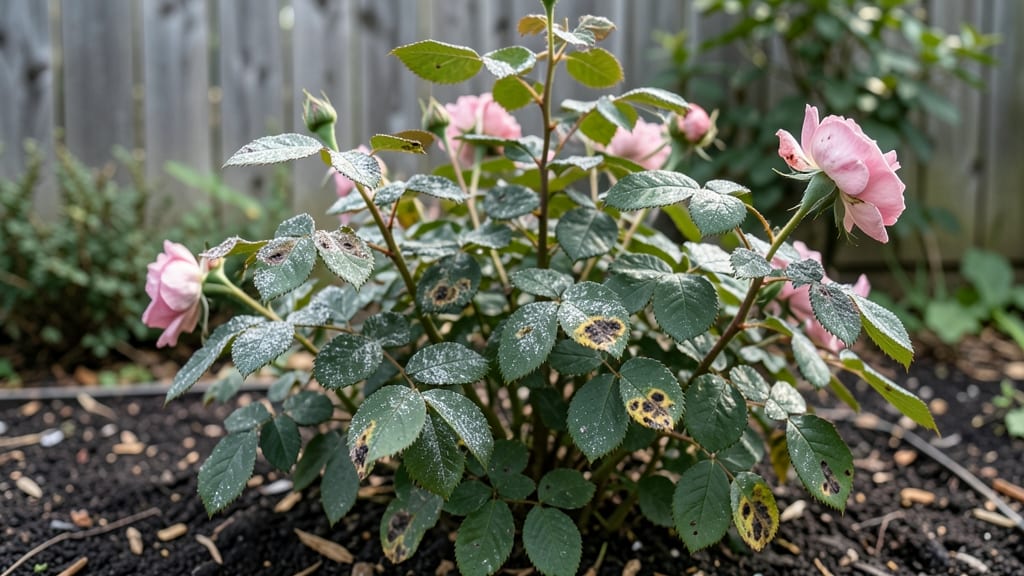
Fungal spots on your Knockout roses don’t have to be a death sentence. 🌿 Black spot fungus turns vibrant leaves into a sad, spotted mess—but copper spray can stop it in its tracks.
I’ve battled this exact problem for years, and once I switched to this method, my roses stayed lush and disease-free through summer’s most humid weeks.
The secret isn’t complicated: copper acts as a shield, preventing fungal spores from taking hold. You’ll need a copper fungicide spray (like Bordeaux mixture or liquid copper), a sprayer, and a calm, overcast afternoon to apply it—no fancy equipment, just consistent care.
One treatment every 2-3 weeks during wet seasons keeps those black spots away for good.
📚 In This Guide
- What you need
- Instructions
- Tips and common mistakes
- Wrapping up and next steps
What you need
- ● Copper fungicide spray – Opt for a ready-to-use liquid (like Copper Soap or TriBasic Copper Sulfate) or a powdered version (1-2 lbs per gallon of water). Look for labels with EPA approval for fungal diseases.
- ● Garden sprayer – A hose-end sprayer (for large gardens) or a handheld pump sprayer (for precision). Capacity should be at least 1-2 gallons.
- ● Protective gear: Nitrile gloves (for handling copper solutions)
- ● Long sleeves & pants (to avoid skin irritation)
- ● Safety goggles (if spraying near eyes)
- ● Pruners or shears – Sterilized (rubbing alcohol or bleach solution) to trim infected leaves/stems.
- ● Bucket (5-gallon) – For mixing copper solution if using powder.
- ● Measuring cup & stirring stick – For precise mixing.
- ● Garden twine or stakes – To support roses while they recover.
- ● Baking soda solution (1 tbsp baking soda + 1 tsp dish soap + 1 gallon water) – Mild alternative for early-stage fungus.
- ● Neem oil (1 tsp per quart of water) – Boosts resistance when combined with copper.
- ● Compost or mulch – Improves soil health post-treatment.
- ● Fungicide-resistant rose varieties – For future planting (e.g., 'Knock Out Double Red' or 'Dr. Huey').
- ● Identify the fungus – Confirm it’s black spot (dark spots with yellow halos) or another common rose fungus before treating.
- ● Pick the right time – Apply copper spray early morning or late evening (avoid direct sunlight on wet leaves).
- ● Check weather – Avoid spraying if rain is forecasted within 24 hours (copper can wash off).
- ● Test a small area first – Some roses may react to copper; monitor for sensitivity.
Step-by-Step instructions for treating Knockout roses with copper spray
Here's the foolproof method I use to keep my Knockout roses thriving and black spot-free.
🌿 Step 1: Identify the Fungus and Prune Affected Areas
Start by examining your roses closely. Black spot fungus appears as dark, circular spots with yellow halos on leaves. Remove any severely infected leaves immediately—they won't recover and will spread spores. Use clean, sharp pruners to avoid cross-contamination between plants.
Focus on the lower foliage first, as this is where humidity lingers and spores thrive. I like to work on a dry morning when the leaves are less likely to tear. Collect infected leaves in a sealed bag and dispose of them in the trash—not the compost—since black spot survives decomposition.
✂️ Step 2: Apply Copper Spray at the Right Time
Mix the copper fungicide according to package instructions, typically using 1 tablespoon per gallon of water. I prefer applying it in the late afternoon when temperatures are below 85°F—this prevents leaf burn. Use a pump sprayer for even coverage, focusing on both the tops and undersides of leaves.
The key is consistency. Apply copper spray every 7-10 days during active growth (spring through summer) or whenever you see rain in the forecast. Rain washes away the protective film, so plan to reapply within 24 hours after heavy downpours. Avoid spraying when rain is expected within 4 hours.
💧 Step 3: Improve Air Circulation and Watering Habits
Black spot loves crowded, damp conditions. Prune roses to open up the center of the plant, allowing sunlight and air to penetrate. I aim for a shape where light reaches all leaves—this alone reduces fungal pressure by 50%.
Water at the base of the plant in the morning, avoiding overhead sprinkling. Wet leaves stay damp for hours, creating perfect conditions for spores to germinate. If you must water overhead, do it early in the day so foliage dries by nightfall. Mulch with 2-3 inches of organic mulch to keep soil moisture even and reduce splashing.
☀️ Step 4: Monitor and Maintain Preventive Care
Check your roses weekly for new spots, especially after rain or high humidity. Early intervention is critical—once 20% of leaves are infected, the plant struggles to photosynthesize efficiently. Keep a log of treatments and weather patterns to spot trends (like fungal outbreaks after prolonged cloudy days).
Rotate copper with a complementary fungicide like neem oil every other application to prevent resistance. I alternate between copper and neem oil weekly. Always store fungicides in their original containers, labeled clearly, and out of children's reach. Wear gloves and long sleeves when applying to protect your skin.
Tips & tricks for Knockout roses fungus treatment
Here’s how to make your copper spray treatment even more effective against black spot—without the guesswork.
Timing Secret: In Step 2, when you’re mixing your copper spray, use distilled water instead of tap water if possible. Tap water often contains minerals that can reduce the effectiveness of copper fungicides. I’ve found that distilled water helps the spray adhere better to leaves, especially in humid conditions. Also, shake the mixture well before each use—copper particles settle quickly, and uneven distribution defeats the purpose.
Prevention Strategy: Before applying copper spray, give your roses a quick rinse with plain water if they’ve been dusty. Dust blocks the spray from sticking properly, and you’ll end up with patchy coverage. I use a gentle hose spray on a dry morning before treatment. This also helps you spot any new infections you might have missed during your initial inspection in Step 1.
Equipment Tip: If you don’t have a pump sprayer, a simple garden spray bottle works in a pinch—but only for smaller plants. For larger rose bushes, borrow or invest in a pump sprayer. The even mist coverage is worth it, especially when targeting the undersides of leaves where spores hide. Just remember to clean your sprayer thoroughly after use to prevent cross-contamination with other plants.
Monitoring Hack: In Step 4, when checking for new spots weekly, I’ve started using a small notepad to track which leaves show signs of infection. Label each plant with a number and mark the date and location of spots. This helps me spot patterns—like outbreaks after rain or when I skipped a treatment. Over time, you’ll notice trends that help you adjust your schedule.
Pro Tips for Knockout Roses Fungus
- Here’s how to make your copper spray treatment even more effective against black spot—without the guesswork.
- Timing Secret: In Step 2, when you’re mixing your copper spray, use distilled water instead of tap water if possible.
- Prevention Strategy: Before applying copper spray, give your roses a quick rinse with plain water if they’ve been dusty.
Frequently asked questions
Got questions about keeping your Knockout Roses fungus-free? You're not alone! Here are some of the most common concerns—and practical answers—to help you tackle black spot and other fungal issues like a pro.
Why do Knockout Roses get fungus so often?
Knockout Roses are highly resistant to black spot, but they’re not immune—especially in humid, rainy climates or if pruned improperly. Fungal spores thrive in damp, shaded conditions, so poor air circulation or overcrowded plants can invite trouble. Copper spray helps by creating a protective barrier against spores before they take hold.
When is the best time to apply copper spray?
Apply copper fungicide preventively in early spring (before buds swell) and again after pruning to protect fresh growth. For active infections, treat at the first sign of black spots (tiny dark spots on leaves) and repeat every 7–14 days until the issue clears. Timing is key!
Will copper spray harm bees or beneficial insects?
Copper fungicides are generally low-toxicity to bees when used as directed, but apply in early morning or late evening when pollinators are least active. Avoid spraying directly on blooms to minimize exposure. For extra safety, opt for organic copper sprays labeled "bee-friendly" or use neem oil as an alternative.
What’s a quick fix if my Knockout Roses already have black spot?
Start by pruning infected leaves (sterilize shears with rubbing alcohol) and remove fallen debris to stop spores from spreading. Then, apply copper spray immediately and improve airflow by thinning dense foliage or spacing plants 3–4 feet apart. For severe cases, repeat treatments every 10 days until new growth is healthy.
Are there non-chemical alternatives to copper spray?
Yes! Try these natural remedies for mild fungus:
- Baking soda spray: Mix 1 tbsp baking soda + 1 tsp dish soap + 1 gallon water. Spray leaves weekly.
- Neem oil: Dilute 1 tbsp neem oil + 1 tsp mild soap in 1 quart water. Reapply every 7–10 days.
- Compost tea: Boosts plant immunity—apply as a foliar spray.
- Garlic spray: Blend 2 cloves garlic + 1 quart water, strain, and spray on leaves.
Pro tip: Combine prevention (like proper pruning and spacing) with these methods for the best results!
Wrapping up and next steps
Fighting knockout roses fungus—especially stubborn black spot—doesn’t have to feel overwhelming. With the right copper spray cure, proper timing, and preventive care, your roses can thrive again! 🌿 Start by applying copper fungicide early and stay consistent—your garden will thank you.
Ready to take action? Grab your supplies and schedule your first treatment this week. A little effort now means long-term beauty and resilience for your knockout roses. You’ve got this!