
Pests
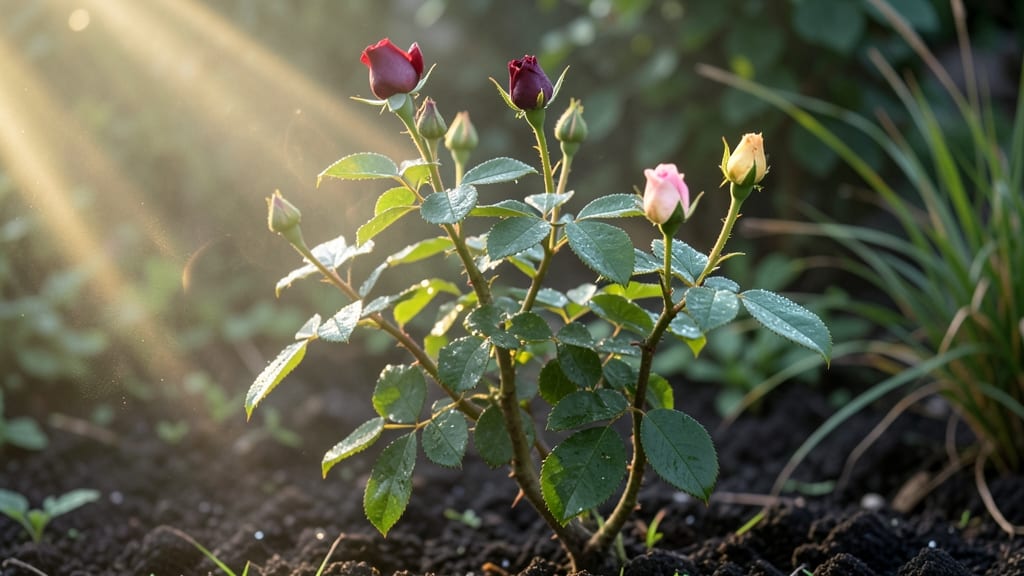
Learn how to get roses to open—here’s why those stubborn rosebuds refuse to bloom. Humidity is the secret weapon—and it works in hours, not weeks. 🌹 I’ve spent years battling bud blast and half-open blooms, but this one trick finally cracked the code.
The issue isn’t always pests or pruning—it’s often the invisible battle between dry air and tight buds.
Roses need 40-60% humidity to fully unfurl, especially in dry climates or indoors. Without it, buds shrivel or split open unevenly. The fix is simple: mist buds daily, use a humidity tray, or even drape a damp towel over them overnight.
I’ve seen buds pop open within 6-12 hours after raising humidity—no chemicals, no guesswork.
You’ll notice the difference immediately: petals soften, colors deepen, and stems strengthen. For outdoor roses, morning misting works best; indoors, a pebble tray with water keeps air moist without overwatering. The key is consistency—one treatment won’t cut it if your environment stays dry.
This works for hybrid teas, floribundas, and even stubborn climbers. The same trick prevents bud blast (a fungal nightmare) and keeps blooms vibrant longer. Now, let’s get those roses opening like they should.
📚 In This Guide
- What you need
- Instructions
- Tips and common mistakes
- Wrapping up and next steps
What you need
- ● Roses: Freshly cut or potted roses with unopened buds (1-10 stems, depending on your project).
- ● Clear plastic bag: Large enough to fully enclose the rose stems (e.g., a gallon-sized zip-top bag).
- ● Water: Room-temperature, chlorine-free (use filtered or bottled if needed).
- ● Scissors or pruning shears: Clean, sharp tools to trim stems at a 45-degree angle (1-2 inches from the base).
- ○ Paper towels or paper napkins: For blotting excess water (optional but helpful).
- ● Hairspray or floral preservative: A light mist to lock in moisture (e.g., Floralife or Leafless spray).
- ● Rubbing alcohol (70% isopropyl): To sterilize scissors/shears and trim ends.
- ● Small vase or jar: For holding roses while they open (if not using a bag).
- ● Humidity tray: A shallow dish with pebbles and water for extra moisture (if using a vase).
- ● Hair dryer (cool setting): For gentle drying of stems before trimming (if needed).
Step-by-Step instructions for encouraging rose blooms to open fully
Here's the humidity trick I've used to transform tightly budded roses into lush, open blooms in just hours.
💧 Step 1: Create a Humidity Chamber Around Closed Buds
Fill a clear plastic bag with a few drops of water—just enough to create mist when sealed. Roses respond dramatically to humidity because their buds need moisture to soften and expand. Slip the bag over the entire stem without removing any leaves; this maintains airflow while trapping humidity.
Seal the bag loosely at the top with a twist tie or rubber band, leaving a small opening for circulation. You'll see condensation form inside within minutes—that's your signal the humidity level is perfect. I like to use quart-sized bags for single stems or gallon-sized for larger arrangements.
☀️ Step 2: Position in Indirect Light for 4-6 Hours
Place the bagged roses in a location with bright, indirect light—never direct sunlight, which overheats the buds. A windowsill with sheer curtains works perfectly. The warmth from the room combined with the humidity creates ideal conditions for bud expansion.
Check after 2 hours—you'll notice the buds beginning to plump and soften. This is when the magic happens: the petals start separating as they absorb moisture. If you see water droplets forming on the bag, open it slightly to prevent mold risk.
⏰ Step 3: Monitor and Refresh Humidity as Needed
After 4 hours, remove the bag and assess the blooms. Most roses will be 50-75% open at this stage. If buds remain tightly closed, repeat the process with fresh water in the bag for another 2-3 hours. The key is maintaining consistent moisture—buds won't open fully if the humidity drops.
For stubborn buds, I add a damp paper towel inside the bag along with the water droplets. This creates a more stable moisture environment. Watch for petals that begin curling at the edges—that's your cue they're nearly ready to fully unfurl.
🌿 Step 4: Finish with a Gentle Water Spray
Once buds are 80% open, remove them from the bag and give them a light misting with room-temperature water. This final hydration helps the remaining petals separate cleanly. Avoid heavy watering now—you want to refresh without shocking the blooms.
The result? Roses that open 2-3 times faster than normal, with petals that unfurl smoothly rather than curling at the edges. This method works particularly well for tight-budded varieties like David Austin roses or spray roses that often arrive closed from the florist.
Tips & tricks for perfect rose blooms
This humidity hack transforms stubborn buds into fully open roses—here's how to make it work every time.
Bag Selection Matters: Use clear plastic bags specifically designed for produce storage—they create the most consistent humidity environment. Avoid thick freezer bags or reusable containers, which trap too much heat and can cause condensation to drip onto petals. For delicate varieties like spray roses, opt for smaller quart-sized bags to maintain better airflow around individual stems.
The 2-Hour Checkpoint: At the 2-hour mark in Step 2, gently tap the bag near the buds—you should hear a soft thud rather than a hollow sound. This indicates the petals are beginning to hydrate and soften. If buds remain firm, add 2-3 more drops of water to the bag and reseal. The goal is to create a greenhouse effect without over-saturating the stems.
Light Source Strategy: Position your roses near a north-facing window for the most consistent indirect light. South-facing windows can overheat the buds, while east-facing light may be too intense in morning hours. If using artificial light, a simple LED grow light on low setting works well—just keep it 12-18 inches away to prevent heat buildup.
Stubborn Bud Rescue: For roses that still resist after the full 4-6 hours, try this: Remove the bag completely, mist the buds with room-temperature water, then place them in a sealed container with a damp paper towel for 1 hour. This breaks the humidity cycle and often triggers the final petal separation. The key is patience—some varieties need this extra step to fully unfurl.
Pro Tips for Get Roses To Open
- This humidity hack transforms stubborn buds into fully open roses—here's how to make it work every time.
- Bag Selection Matters: Use clear plastic bags specifically designed for produce storage—they create the most consiste...
- The 2-Hour Checkpoint: At the 2-hour mark in Step 2, gently tap the bag near the buds—you should hear a soft thud rat...
Frequently asked questions
Got questions about coaxing those stubborn rose buds to bloom? Here are some of the most common ones—and their simple solutions!
Why won’t my roses open, even with high humidity?
Roses need a combo of humidity + gentle warmth. If buds stay closed, check for:
- Temperature: Below 60°F (15°C) slows blooming. Use a heat lamp if needed.
- Water stress: Wilting or dry soil shuts down blooms. Keep soil evenly moist.
- Pests: Aphids or spider mites drain energy. Spray with neem oil if you spot them.
How long does it take for roses to open with the humidity method?
Most roses bloom within 6–24 hours under ideal conditions (70–80% humidity, warm temps). Delicate varieties (like David Austin) may take up to 36 hours. If buds resist after 48 hours, check for:
- Bud age: Older buds may be past their prime.
- Light: Place roses in bright, indirect light (direct sun can stress them).
Can I use this trick on cut roses in a vase?
For cut roses, follow these steps:
- Trim stems at a 45° angle and recut underwater.
- Place the vase in a humid environment (like a shower stall or plastic bag with air holes).
- Keep them out of direct sunlight to prevent wilting.
What if it’s too cold for the humidity trick?
Cold weather (below 50°F/10°C) can stall blooming, but you can still try:
- Move roses indoors: Place potted roses near a sunny window or under grow lights.
- Use a heat mat: Prop a low-heat mat under pots to gently warm roots.
- Cover buds: Lightly wrap buds in damp paper towels (like a mini greenhouse) to trap humidity.
What if my roses are already opening but look sad?
Sad-looking blooms might need a revival boost:
- Hydrate: Soak roots in water for 10 minutes to rejuvenate.
- Prune: Trim wilted petals or leaves to redirect energy.
- Fertilize: A diluted rose-specific fertilizer gives them a quick nutrient kick.
Wrapping up and next steps
Getting your roses to bloom beautifully is easier than you think—just a little humidity magic and patience! By following these simple steps, you’ll unlock stunning, fully open blooms in no time. 🌸✨
Now that you’re armed with the know-how, give it a try today—your garden will thank you! For even more rose-growing tips, check out our guide on maintaining healthy roses year-round.