
Flowers
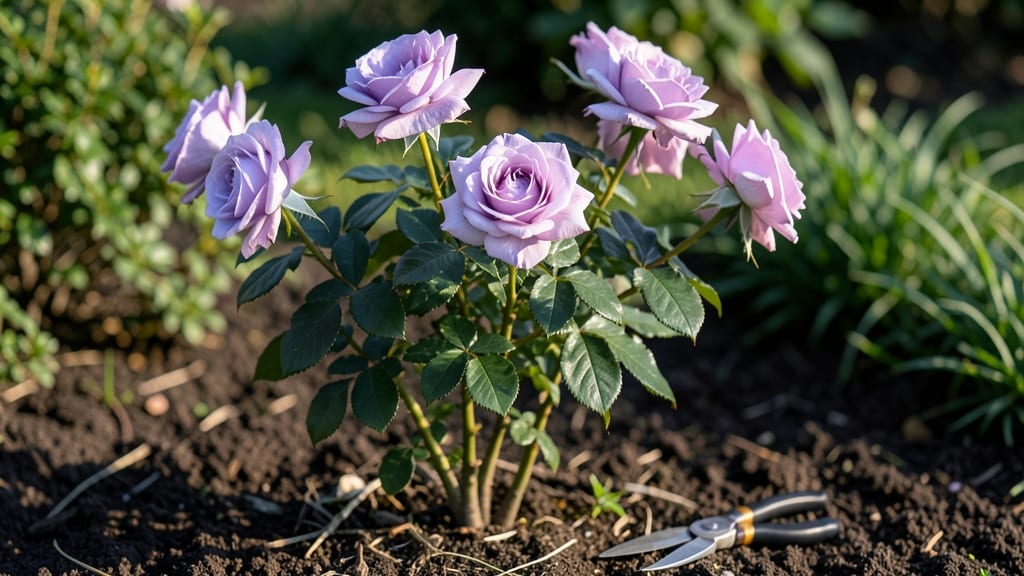
Nothing softens a garden like the dreamy blush of lavender-colored roses—they’re the perfect bridge between romance and whimsy. 🌸 These roses aren’t just pretty; they’re the quiet stars of cottage gardens, adding a velvety hue that makes every border feel like a painted masterpiece.
I’ve learned that their true magic lies in how they pair with other blooms, creating color stories that last all season.
Plant them near silver foliage—like lamb’s ear or dusty miller—to make that lavender pop against a shimmering backdrop. Or tuck them beside deep purple salvias or blush pink peonies for a dreamy, layered effect. The key is contrast: their softness needs something bold to sing.
And here’s a pro tip: lavender roses bloom in waves, so mix them with repeat bloomers like daylilies or hydrangeas to keep your garden vibrant from spring through fall.
Imagine a garden path lined with these roses, their petals dusted with morning dew, or a mixed border where their hue blends seamlessly with wisteria and hydrangeas. They’re the kind of plant that makes neighbors pause and ask, “What are those?”—and the answer is always, “The best kind of magic.”
With the right placement, they’ll steal the show without trying.
Whether you’re designing a small urban garden or a sprawling countryside retreat, lavender roses adapt beautifully. They thrive in full sun, handle heat and humidity with grace, and even tolerate light pruning to shape them just so.
The secret? Let them be themselves—their natural, ethereal charm is what makes them unforgettable.
📚 In This Guide
- What you need
- Instructions
- Tips and common mistakes
- Wrapping up and next steps
What you need
- ● Lavender-colored rose plants or seeds: 1-3 Blush Noisette or Souvenir de la Malmaison (classic lavender-hued varieties)
- ● OR 5-10 seeds (if starting from scratch; germination can be tricky!)
- ● Well-draining soil: 6-8 cubic feet of rose-specific potting mix (or garden soil amended with compost)
- ○ Optional: Perlite or sand (1 part per 3 parts soil) for extra drainage
- ● Fertilizer: 1 lb of balanced rose fertilizer (10-10-10 NPK ratio) or organic options like fish emulsion
- ● Watering can or hose: With a gentle spray nozzle (roses hate soggy roots!)
- ● Mulch: 2-3 inches of wood chips or straw to retain moisture and suppress weeds.
- ● Garden trowel or shovel (for planting)
- ● Pruning shears (sterilized with rubbing alcohol)
- ● Gloves (to protect your hands from thorns and dirt)
- ● Support stakes or trellis (if growing climbing varieties)
- ○ pH testing kit (optional but helpful—roses prefer 6.0-6.5)
- ● A sunny spot: At least 6-8 hours of direct sunlight daily.
- ● Patience! Lavender roses may take 1-2 years to bloom fully from seed.
- ● Knowledge of local climate: Check your USDA hardiness zone (most roses thrive in zones 5-10).
How to grow and care for lavender-colored roses
These dreamy roses bring soft elegance to any garden—here’s how to coax their delicate blooms to life.
🌱 Step 1: Choose the Right Lavender Rose Varieties
Not all lavender roses are created equal—some are true pastel lavender, while others lean toward pale purple or silvery pink. Popular varieties like 'Iceberg' and 'Blush Noisette' deliver that soft, dreamy hue. Buy bare-root plants in early spring or container-grown roses in fall for best results.
Check the label for disease resistance—lavender roses can be prone to black spot and powdery mildew. Look for varieties labeled "disease-resistant" or "hardy." I always opt for grafted plants, as they’re more stable and less likely to send up wild suckers from the rootstock.
☀️ Step 2: Plant in Full Sun with Well-Draining Soil
Lavender roses thrive in 6+ hours of direct sun daily, so pick a south- or west-facing spot. They despise soggy roots, so amend heavy clay soil with 2-3 inches of compost and a handful of perlite to improve drainage. If your soil is sandy, mix in 1 part peat moss to 2 parts native soil.
Dig a hole twice as wide as the root ball but only as deep. Position the plant so the graft union sits 1-2 inches above soil level—this prevents rootstock from overtaking the desired lavender blooms. Water deeply before backfilling to settle the soil around roots.
💧 Step 3: Water Deeply and Mulch to Protect Roots
Water lavender roses once a week during the first growing season, ensuring 1-2 inches of water per week. Let the top 2 inches of soil dry out between waterings—this prevents fungal issues. I use a soaker hose to deliver moisture directly to the roots without wetting the foliage.
Apply 2-3 inches of mulch around the base, keeping it 3 inches away from the stem to prevent rot. Organic mulch like shredded bark or straw works best—it retains moisture while allowing airflow. Replenish mulch annually to maintain protection.
✂️ Step 4: Prune for Bushier Growth and More Blooms
Prune lavender roses in early spring before new growth begins. Remove any dead, diseased, or crossing branches first. Then cut back last year’s growth by one-third, making cuts just above an outward-facing bud. This encourages bushier growth and more abundant blooms.
Deadhead spent blooms regularly to redirect the plant’s energy into new flowers. I also do a light summer trim to maintain shape—just snip back leggy stems by half their length. Avoid heavy pruning in fall, as lavender roses need their foliage to photosynthesize through winter.
🌿 Step 5: Fertilize Lightly for Delicate Blooms
Lavender roses don’t need heavy feeding—they respond best to a balanced, slow-release fertilizer applied in early spring. Use a 10-10-10 or 5-10-5 formula at half the recommended strength. Too much nitrogen leads to lush foliage but fewer blooms, which defeats the purpose of these pastel beauties.
Side-dress with 1-2 tablespoons of compost around the base in late spring and again in early summer. Avoid high-phosphorus fertilizers—they can encourage weak stems. I also add a handful of bone meal in fall to boost root strength for next year’s growth.
Tips & tricks for growing lavender-colored roses
Here's what nobody tells you about keeping those soft pastel blooms thriving year after year.
Variety Matters: When selecting your lavender roses, pay special attention to the graft union—the point where the top growth meets the rootstock. This is critical because wild suckers often sprout from the rootstock, which can produce different colored blooms or even thornless varieties. I've seen beautiful lavender roses completely overtaken by wild pink suckers in just one season. To prevent this, inspect your plants regularly and prune any suckers immediately at their base. This keeps your garden true to that dreamy lavender color you're after.
Soil Secrets: The secret to those vibrant lavender blooms starts with the soil. While the instructions mention compost and perlite, I've found that adding a handful of coarse sand to heavy clay soil makes an even bigger difference. This improves drainage dramatically while still retaining enough moisture. For sandy soils, I recommend mixing in a bit more organic matter—think leaf mold or well-rotted manure—to help hold onto nutrients. The key is creating that perfect balance where roots get both air and moisture without becoming waterlogged.
Watering Wisdom: The once-a-week watering guideline works well, but timing matters just as much. I've learned the hard way that watering in the early morning—before 8 AM—gives the foliage time to dry completely by evening, which prevents fungal diseases like black spot. If you must water in the afternoon, avoid wetting the leaves at all. Instead, use that soaker hose to deliver water directly to the root zone. This targeted approach keeps your roses healthier and those pastel blooms looking their best.
Pruning Precision: When you're doing that one-third prune in early spring, focus on creating an open center. This allows better airflow, which is crucial for preventing diseases in lavender roses. I like to make my cuts just above an outward-facing bud to encourage new growth in the right direction. For the summer trim, I go a step further by removing any stems that are growing inward—this keeps the plant's natural shape while maximizing bloom potential. Think of it as sculpting your rose bush to create that perfect, airy framework for those delicate lavender blooms.
Pro Tips for Lavender Colored Rose
- Here's what nobody tells you about keeping those soft pastel blooms thriving year after year.
- Variety Matters: When selecting your lavender roses, pay special attention to the graft union—the point where the top growth meets the rootstock.
- Soil Secrets: The secret to those vibrant lavender blooms starts with the soil.
Frequently asked questions
Got questions about lavender-colored roses? You’re not alone—these soft beauties spark curiosity! Here’s what gardeners ask most often, plus quick answers to help you grow (or gift) them with confidence.
What exactly is a lavender-colored rose, and how is it different from purple?
A lavender-colored rose leans toward soft, muted pastels—think dusty violet, mauve, or grayish-pink, often with a silvery sheen. Unlike bold purples (like ‘Black Baccara’), lavender roses have a romantic, ethereal hue that’s easier on the eyes and pairs beautifully with whites or blush tones. Pro tip: Lighting changes color—morning sun makes them appear paler!
When is the best time to plant lavender roses for peak color?
Plant them in early spring or fall when temperatures are mild (50–70°F). Spring gives roots time to establish before summer heat, while fall avoids winter stress. Never plant in scorching summer—roots can bake! If buying bare-root roses, soak them overnight before planting for a head start.
Can I grow lavender roses in containers, or do they need a garden bed?
Choose a large container (at least 12 inches deep) with drainage holes and well-draining potting mix. Dwarf varieties like ‘Iceberg’ or ‘Sweet Drift’ thrive in pots. Place them in full sun (6+ hours daily) and fertilize monthly with rose-specific food. Just remember: Containers dry out faster—water deeply 2–3 times weekly in summer.
Are lavender roses harder to find than other colors? Where should I buy them?
They’re rarer than classic reds or pinks but totally worth the hunt! Check:
- Local nurseries: Ask about heirloom or hybrid tea varieties (e.g., ‘Lavender Dream’).
- Online specialty growers: Websites like Burt’s Seed & Plant or White Flower Farm often carry unique colors.
- Farmers’ markets: Vendors may have bouquets or bare-root roses in spring.
Warning: Avoid big-box stores—they rarely stock lavender roses. Patience pays off!
Why are my lavender roses losing color or looking dull?
Dull lavender roses usually signal stress. Check for:
- Overwatering: Yellow leaves = soggy roots. Let soil dry 1–2 inches between waterings.
- Nutrient deficiency: Pale foliage? Feed with low-nitrogen fertilizer (like 5-10-5) in spring.
- Pests: Spider mites or aphids suck sap, causing discoloration. Spray with neem oil if you spot tiny webs or sticky residue.
- Too much shade: Lavender roses need 6+ hours of sun to maintain their signature hue.
Give them TLC, and their soft glow will return!
Wrapping up and next steps
The lavender-colored rose is more than just a stunning addition to your garden—it’s a symbol of elegance, tranquility, and effortless beauty that breathes life into any space.
Whether you’re drawn to its soft pastel charm or the joy of cultivating something unique, these roses offer a rewarding experience for both beginners and seasoned gardeners.
Ready to bring this dreamy hue to your outdoor oasis? Start by gathering your supplies, choosing the right variety, and giving your lavender roses the love they deserve.
With a little patience and care, you’ll be rewarded with blooms that steal the show—and maybe even inspire your neighbors to plant a few of their own! 🌸