
How To
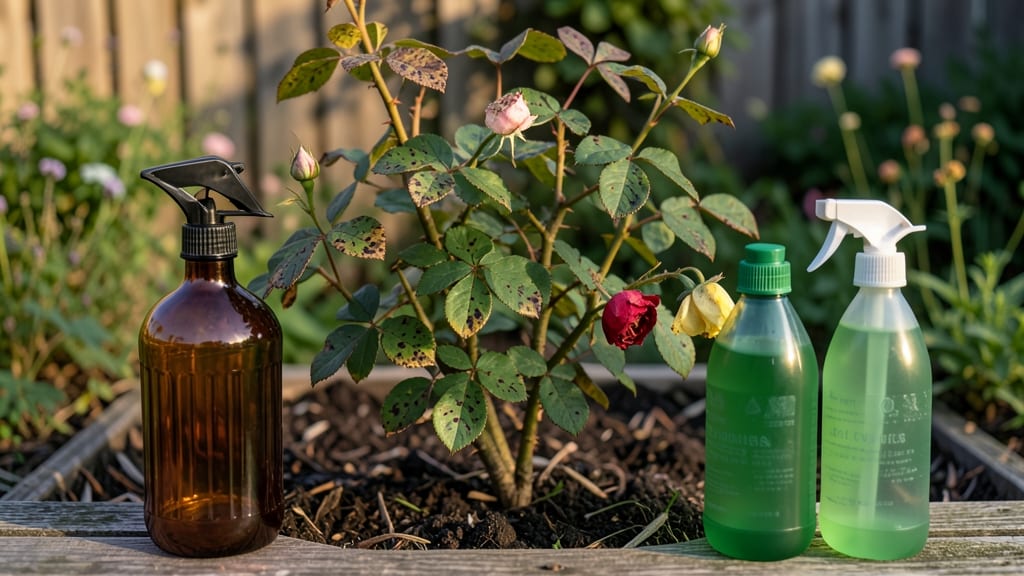
Learn how to treat brown spots on rose leaves before they spread—here’s how I’ve revived even the most blighted roses with easy, natural remedies that work every time. 🌹 actually work. The key is acting fast and targeting the right cause, whether it’s black spot, mildew, or environmental stress.
Most gardeners make two mistakes: waiting too long to treat or using harsh chemicals that harm bees and beneficial insects. Instead, start by inspecting the undersides of leaves (that’s where fungal spores love to hide) and check for environmental clues like crowded plants or overhead watering.
A quick spray with a 1:10 neem oil-water mix stops new spots in their tracks, while pruning infected leaves improves airflow—both tricks I’ve used for years. By the end of this, your roses will look lush and disease-free, with fewer spots and more blooms.
The best part? These methods work for all roses, from hybrid teas to heirlooms, and keep your garden thriving without toxic chemicals. Let’s get those leaves healthy again.
First, confirm what’s causing the spots—fungal diseases like black spot or powdery mildew create dark, circular marks, while nutrient deficiencies or sunburn show up as uneven browning or crispy edges.
Grab a magnifying glass (or just your phone’s camera) to check for fuzzy white growth (mildew) or tiny black dots (black spot). If you’re unsure, test a small area with neem oil—if spots stop spreading, you’ve got your answer.
For treatment, prune infected leaves immediately (sterilize your shears with rubbing alcohol between cuts) and dispose of them in the trash—not the compost.
Then, spray leaves early in the morning with a homemade fungicide: mix 1 tablespoon of neem oil with 1 teaspoon of mild soap in a gallon of water. Repeat every 5-7 days until new growth appears.
For stubborn cases, a copper fungicide (like copper sulfate) works fast but use it sparingly.
Prevention is where the real magic happens. Space roses 3-4 feet apart for airflow, water at the base of the plant (never overhead), and choose disease-resistant varieties like ‘Knock Out’ or ‘Dr. Huey’.
A weekly preventive spray of neem oil keeps fungi away before they start. Trust me, once you see your roses bounce back, you’ll never ignore those first brown spots again.
Root Causes of Leaf Discoloration
Brown spots on rose leaves aren’t just unsightly—they’re often a cry for help from your plants. Understanding the why behind these blemishes is the first step to restoring your roses to their lush, vibrant glory.
Below, we break down the most common culprits, their science-backed triggers, and what they reveal about your rose’s environment.
Fungi thrive in moist, warm conditions, and roses are a prime target. The most notorious offenders include:
- **Black Spot (Diplocarpon rosae) - How it spreads: Spores land on leaves, germinate in damp conditions (like morning dew), and penetrate leaf tissue through natural openings (stomata). - Science in action: The fungus produces toxins that kill plant cells, creating the classic dark brown or black spots with yellow halos.
Infected leaves often drop prematurely, weakening the rose. - Red flag:** Spots appear on upper leaves first, often with a greasy texture.
- Powdery Mildew (Erysiphe spp.) - How it spreads: Unlike black spot, powdery mildew doesn’t need wet leaves—it thrives in high humidity (60%+) and poor airflow.
Spores spread via wind or water splashes. - Science in action: The fungus forms a white, powdery coating (mycelium) that blocks sunlight, starving leaves. Over time, infected areas turn brown and crispy. - Red flag: White, dusty patches on both leaf surfaces, often on younger growth.
- Rust (Phragmidium spp.) - How it spreads: Rust fungi require two hosts (roses and often weeds like barberry) to complete their life cycle.
Spores spread via wind or splashing water. - Science in action: The fungus creates pustules (tiny blisters) on leaf undersides, which burst to release orange-brown spores. Severe infections cause leaves to yellow and drop. - Red flag: Rust-colored spots on leaf undersides; leaves may appear "scorched" from above.
Roses are resilient, but extreme conditions can trigger brown spots as a survival response:
- Sunburn - How it happens: Prolonged exposure to intense sunlight (especially after rain or when leaves are wet) causes oxidative stress in plant cells. - Science in action: UV rays damage cell membranes, leading to localized cell death.
Spots start as pale yellow, then turn brown and papery. - Red flag: Spots appear on exposed leaves, often with a crispy, dry texture.
- Water Stress (Over/Under-Watering) - Overwatering: Soggy soil leads to root rot (e.g., Phytophthora), which cuts off nutrient/water flow.
Leaves develop brown, water-soaked spots that spread. - Underwatering: Leaves lose turgor pressure, causing edges to curl and brown (a process called necrosis). - Red flag: Wilting despite moist soil (overwatering) or crispy, brittle leaves (underwatering).
- Chemical Burn
- How it happens: Over-application of fertilizers (especially high-salt or synthetic ones), herbicides, or even tap water with high chlorine can damage leaves.
- Science in action: Excess salts or chemicals disrupt cellular function, leading to chlorosis (yellowing) followed by brown, dead patches.
- Red flag: Spots appear randomly or along leaf edges; may coincide with recent soil treatments.
Some brown spots aren’t from fungi at all—they’re the work of hungry pests:
- Spider Mites (Tetranychus spp.) - How they damage: These microscopic pests pierce leaf cells to suck out sap, leaving behind stippled brown spots (like freckles).
Severe infestations cause webbing. - Science in action: Their saliva contains toxins that trigger cell death, leading to yellowing and browning. - Red flag: Tiny moving dots on leaf undersides; leaves appear "bronzed" or dusty.
- **Japanese Beetles (Popillia japonica)
- Science in action: Mechanical damage disrupts leaf tissue, leading to brown, ragged edges.
- Red flag: Skeletonized leaves (only veins remain) or sudden wilting.
Roses need a balanced diet, and deficiencies can manifest as brown spots:
- Magnesium Deficiency
- How it shows: Magnesium is crucial for chlorophyll production. A lack causes interveinal chlorosis (yellowing between veins), which progresses to brown, dead patches.
- Red flag: Older leaves brown first; veins stay green.
- Potassium Deficiency
- How it shows: Potassium regulates water and nutrient transport. Without it, leaves develop marginal scorch—brown, crispy edges.
- Red flag: Spots start at leaf tips/edges and spread inward.
- Iron Deficiency
- How it shows: Iron is mobile in plants, so deficiencies appear as yellowing between veins (chlorosis) on young leaves, followed by browning.
- Red flag: New growth is pale; spots may appear puckered.
To pinpoint the cause, ask yourself:
- Are spots raised, powdery, or greasy? → Likely fungal (powdery mildew or black spot).
- Do leaves have webbing or tiny moving dots? → Pests (mites or beetles).
- Are spots near leaf edges or tips? → Nutritional deficiency or sunburn.
- Is the soil soggy or dry? → Over/under-watering or root issues.
- Did you recently fertilize or spray? → Chemical burn.
💡 Pro Tip: Use a magnifying glass or rub a spot on a paper towel—fungal spores appear as dark specks, while pest damage often leaves behind frass (tiny black dots).
Fixing Brown Spots Naturally
Now that you know what’s causing those unsightly brown spots on your rose leaves, it’s time to take action! The good news? Most issues can be resolved with simple, natural remedies—no harsh chemicals required.
Below, we’ve mapped out targeted solutions based on the most common causes, along with prevention tips to keep your roses thriving.
Fungal infections are the #1 culprit behind brown spots, but they’re also the easiest to combat with fungicidal sprays and good garden hygiene.
1️⃣ Remove Infected Leaves Immediately
🔪 Step 1: Snip off any leaves with brown spots (don’t compost them—toss them in the trash). 👨🍳 Step 2: Sterilize your pruners with rubbing alcohol between cuts to prevent spreading spores.
2️⃣ Apply a Homemade Fungicide Spray
Mix one of these effective, natural sprays and apply every 7–10 days until new growth appears:
| Remedy | How to Make It | How to Use |
|---|---|---|
| Baking Soda Spray | 1 tsp baking soda + 1 tbsp vegetable oil + 1 tsp dish soap + 1 gallon water | Spray undersides of leaves (where fungi love to hide). |
| Neem Oil Solution | 2 tbsp neem oil + 1 tsp mild soap + 1 quart water (shake well) | Spray evenly, covering all leaf surfaces. Avoid spraying in direct sun. |
| Copper Fungicide | 1 tbsp copper sulfate + 1 gallon water (or use a store-bought organic spray) | Apply at dusk to avoid burning leaves. Follow label instructions. |
💡 Pro Tip: For severe infections, repeat treatments every 5–7 days until the spots stop spreading.
3️⃣ Improve Air Circulation & Light
🌡️ Prevention is key!
- Prune roses to open up the center (fungi thrive in dense, damp foliage).
- Space plants at least 2–3 feet apart for better airflow.
- Water at the base (not overhead) and water early in the day so leaves dry quickly.
If your roses are getting too much direct sun (especially in hot climates), leaves can develop crispy brown edges—not a disease, just sun damage.
1️⃣ Provide Afternoon Shade
🌳 Quick Fix: Install a light shade cloth (30–50% coverage) or plant taller shrubs nearby to filter harsh afternoon sun. ✨ Bonus: Mulch around the base with straw or wood chips to keep roots cool.
2️⃣ Water Deeply & Frequently
💦 Morning watering (1–2 inches per week) helps roses stay hydrated and resist heat stress.
- Avoid wetting leaves if possible (use a soaker hose).
- Mist leaves lightly in extreme heat (but not at night—this encourages fungi).
3️⃣ Adjust Fertilizer Use
📊 Over-fertilizing (especially with high nitrogen) can weaken roses, making them more prone to stress.
- Switch to a balanced rose fertilizer (10-10-10 or 5-10-5).
- Feed in early spring and again after flowering—avoid late-season fertilizing.
Tiny pests suck sap from leaves, leaving speckled brown spots and webbing.
1️⃣ Blast Off Pests with Water
🚿 First line of defense: Spray leaves with a strong stream of water to knock off mites and aphids.
- Do this early in the morning for best results.
2️⃣ Use Insecticidal Soap or Oil
🍳 Homemade Recipe:
- Insecticidal Soap: 2 tbsp castile soap + 1 quart water (spray directly on pests).
- Oil Spray: 1 tbsp horticultural oil + 1 tsp soap + 1 quart water (apply at dusk).
💡 Pro Tip: Ladybugs and lacewings are natural predators—attract them by planting dill, fennel, or marigolds nearby!
3️⃣ Prevent Future Infestations
🛡️ Keep pests away with these habits:
- Inspect new plants before bringing them home.
- Remove weeds (they harbor pests).
- Avoid overwatering (dry conditions deter mites).
Brown spots can also signal micronutrient deficiencies, especially in alkaline or compacted soil.
1️⃣ Test Your Soil
📊 DIY Test: Mix 1 cup soil + 1 cup vinegar—if it fizzes, your soil is alkaline (roses prefer slightly acidic, 6.0–6.5 pH).
- Fix it: Add sulfur or peat moss to lower pH.
2️⃣ Feed with Micronutrients
🍎 Quick Fixes:
- Iron: Sprinkle iron chelate or use Epsom salt (1 tbsp per gallon of water, spray on leaves).
- Magnesium: Mix ½ cup Epsom salt in a gallon of water and water at the base.
- Zinc: Use a balanced organic fertilizer or zinc sulfate (follow package instructions).
3️⃣ Improve Soil Health Long-Term
🌿 Amend soil with:
- Compost (for organic matter).
- Worm castings (for micronutrients).
- Mulch (to retain moisture and nutrients).
Even after treating the spots, consistent care keeps roses healthy and spot-free:
✅ Prune regularly (remove dead/diseased wood in early spring). ✅ Rotate sprays (don’t use the same remedy too often—pests/fungi can build resistance). ✅ Monitor daily (catch issues early before they spread). ✅ Quarantine new plants (keep them separate for 2–4 weeks to check for pests/diseases).
Final Thought: Most brown spots are fixable with patience and prevention—stick to these methods, and your roses will bounce back stronger than ever! 🌹✨
Frequently asked questions about rose leaf spots
Why do brown spots appear on rose leaves even after I prune infected ones?
Fungal spores can linger on tools, soil, or nearby plants. Always sterilize pruners with rubbing alcohol between cuts, and avoid composting infected leaves. Spores also spread via wind or splashing water, so water at the base of plants and space them 3-4 feet apart for airflow.
Can I use vinegar to treat fungal spots on roses?
White vinegar (1 tablespoon per gallon of water) can help as a natural fungicide, but it’s acidic and may burn leaves if overused. Always test on a small area first. For better results, use a 1:10 neem oil-water mix instead—it’s gentler and more effective against black spot and mildew.
How do I tell if brown spots are from pests vs. disease?
Check leaf undersides: pests (like spider mites) leave tiny moving dots or webbing, while fungal spots appear greasy or powdery. Pests also cause stippled damage (like freckles), whereas diseases create circular or irregular patches. Use a magnifying glass for close inspection.
Will copper fungicide harm beneficial insects like bees?
Copper fungicides are low-toxicity but can still harm bees if sprayed when they’re active. Apply at dusk or avoid spraying flowers directly. For bee-friendly gardens, opt for neem oil or baking soda sprays instead—they’re just as effective and safer for pollinators.
How often should I spray my roses to prevent spots?
For prevention, spray roses every 7-10 days during peak growing season (spring to early fall). Use a neem oil mix or baking soda spray—these create a protective barrier against fungi. Reduce frequency in winter when roses are dormant.