
Pruning
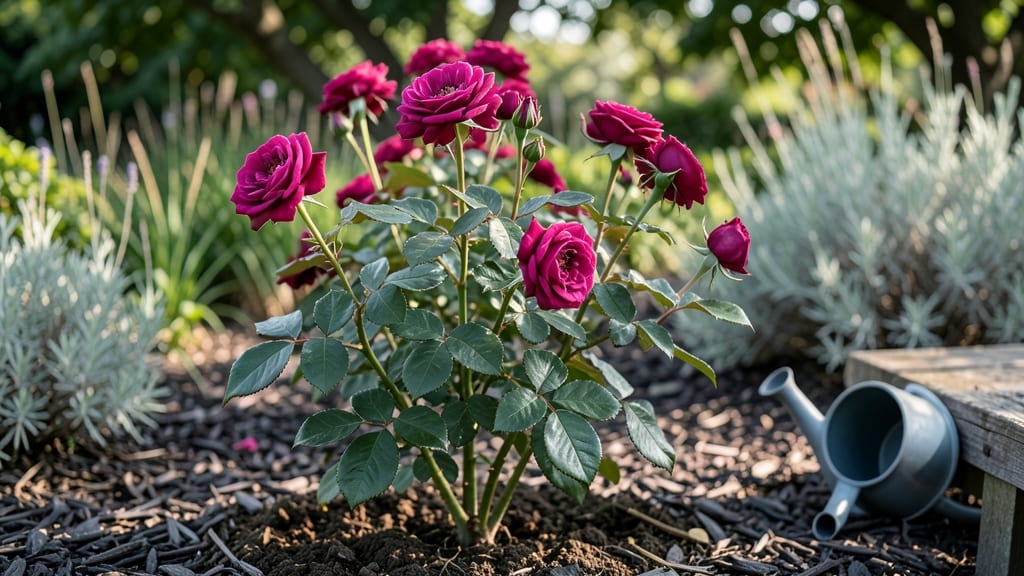
The Miracle on the Hudson rose bush thrives where others freeze—bursting with fragrance even in winter’s chill. 🌹 I planted mine last spring, and by summer, it was covered in blooms that smelled like a stroll through a 19th-century garden. garden.
The secret lies in its Zone 3 hardiness and disease-resistant foliage, making it the perfect rose for gardeners in tough climates. Start with well-draining soil and full sun (at least 6 hours daily), then space bushes 3-4 feet apart to allow airflow.
Water deeply once a week, keeping the soil moist but not soggy—this rose hates wet feet. A balanced fertilizer in early spring kickstarts growth, while a light pruning in late winter removes dead wood and encourages fresh blooms.
What sets this rose apart is its year-round fragrance and black spot resistance, so you’ll enjoy both beauty and low maintenance. The blooms return in waves, giving you cut flowers from June through frost, and the glossy foliage stays disease-free even in humid summers.
For troubleshooting, watch for aphids (spray with soapy water) and powdery mildew (improve airflow). If you live in Zone 4-9, this rose will reward you with minimal fuss—just give it space, sunlight, and a little love. Ready to grow one?
📚 In This Guide
- What you need
- Instructions
- Tips and common mistakes
- Wrapping up and next steps
What you need
- ● Pruning shears: Bypass pruners (sharp, 6-8 inch blades) for clean cuts—1 pair.
- ● Hand pruners: For smaller stems—1 pair (with comfortable grips!).
- ● Loppers: Long-handled (for thicker branches, 20-24 inches)—1 pair.
- ● Disinfectant: Rubbing alcohol (70% isopropyl) or pruner cleaner—small bottle.
- ● Garden gloves: Heavy-duty, cut-resistant—1 pair (rose thorns are no joke!).
- ● Rake or broom: For clearing debris—1 unit.
- ○ Pruning sealant (optional but helpful): Tree wound paint or beeswax-based sealant—small jar.
- ● Safety glasses: Protect your eyes from flying debris.
- ● Knee pads: For comfort during long pruning sessions.
- ● Garden twine: To secure large branches if needed.
- ● Notebook & pen: To jot down notes on pruning cuts or bush health.
- ● Hose or water sprayer: To clean tools and refresh the bush post-pruning.
Step-by-step guide to planting and caring for the Miracle on the Hudson rose bush
This cold-hardy rose thrives in tough climates while delivering intoxicating fragrance year-round—here’s how to set it up for success.
🌱 Step 1: Choose the Perfect Planting Site
Select a location with at least 6 hours of direct sunlight daily, though Morning sun with afternoon shade works best in hotter climates. The Miracle on the Hudson performs best in USDA Zones 3-9, making it one of the most resilient roses for cold snaps. I always test the site by watching how sunlight moves across it throughout the day—you’ll spot the sweet spot where it gets bright but isn’t scorched.
Ensure the soil drains well—this rose despises soggy roots. If your yard has heavy clay, amend the planting area with 2-3 inches of compost mixed into the top 12 inches of soil. The roots need room to breathe, especially in winter when frost heaves can damage shallow systems. Avoid low spots where water pools after rain.
⏰ Step 2: Plant at the Right Time and Depth
Plant in early spring or fall, when temperatures hover between 40-60°F. Spring planting gives roots time to establish before summer heat, while fall planting allows roots to grow before dormancy. Dig a hole twice as wide as the rose’s root ball but only as deep as the root ball itself—burying too deep suffocates the graft union, which is critical for disease resistance.
Loosen the roots gently if they’re circling and position the bush so the graft union sits 2-3 inches above soil level. Backfill with native soil mixed with composted manure or aged compost to encourage strong root growth. Water deeply to settle the soil and remove air pockets, then create a 2-inch-high berm around the base to hold moisture.
💧 Step 3: Water Deeply and Mulch for Winter Protection
Water the rose deeply once a week during the first growing season, soaking the soil to a depth of 12 inches. You’ll know it’s right when water drains through the bottom of the hole—this encourages deep root growth. Avoid shallow watering, which promotes weak, surface roots that freeze in winter. In established bushes, water every 10-14 days unless rainfall provides 1 inch of moisture weekly.
Apply a 3-inch layer of mulch (like shredded bark or pine straw) around the base, keeping it 6 inches away from the stem to prevent rot. This mulch acts as insulation against winter temperature swings and retains moisture during dry spells. Replenish mulch annually in late winter before new growth appears—this is the secret to its cold-hardy reputation.
✂️ Step 4: Prune for Health and Fragrance
Prune in early spring (just as buds swell) and again after blooming season to remove dead, crossing, or weak branches. Cut back to an outward-facing bud just above a 5-leaflet leaf—this encourages bushier growth and more blooms. The Miracle on the Hudson blooms repeatedly, so I deadhead spent flowers to redirect energy into new buds. Never prune in fall, as new growth won’t harden off before winter.
Sanitize pruners with rubbing alcohol between cuts to prevent disease spread. I also shape the bush lightly in summer to improve airflow, which reduces fungal issues. If you see yellowing leaves, don’t panic—it’s often just adjusting to its new home. But if black spots appear, prune those leaves immediately and treat with neem oil to protect the plant’s vigor.
☀️ Step 5: Fertilize and Protect for Year-Round Blooms
Feed in early spring with a balanced rose fertilizer (10-10-10), then switch to a low-nitrogen, high-phosphorus formula (5-10-10) when buds form. I avoid high-nitrogen fertilizers—they promote leafy growth at the expense of flowers. Water the bush thoroughly after fertilizing to prevent root burn, and repeat every 6-8 weeks during the growing season.
In winter, protect the bush with a lightweight frost blanket or burlap wrap if temperatures drop below 10°F. The Miracle on the Hudson’s cold hardiness is legendary, but extreme cold can still damage tender new growth. I also remove mulch in late winter to let the soil warm slightly before new shoots emerge—this jumpstarts the blooming season.
Tips & tricks for perfect Miracle on the Hudson rose bush care
Took me years to master these rose-growing secrets—here's how to keep your Miracle on the Hudson thriving with minimal effort.
Sunlight Strategy: The 6 hours of sunlight requirement is non-negotiable, but I've found the sweet spot is actually 6-8 hours for maximum fragrance. Morning sun with afternoon shade (as mentioned) works best in hotter zones, but if you're in Zone 3, full sun all day is perfect. Watch for leaf scorch in summer—if edges brown, provide temporary shade during peak afternoon heat. The bush's cold hardiness means it can handle winter sun exposure, but avoid planting in spots where snow piles up against stems.
Soil Preparation Secret: When amending heavy clay soil with 2-3 inches of compost into the top 12 inches, I like to mix in a handful of perlite or coarse sand to improve drainage further. This rose's roots need oxygen, and clay can suffocate them. Test your soil's drainage by digging a hole, filling it with water, and checking if it drains within an hour—if not, you need more amendments. I also recommend adding a slow-release organic fertilizer like bone meal to the planting hole for an extra nutrient boost during establishment.
Winter Protection Hack: For temperatures below 10°F, I've had success using a combination of mulch and bubble wrap. After applying the 3-inch mulch layer, I wrap the entire bush (except the top) with bubble wrap secured with twine. This creates an insulating air pocket while allowing airflow. In extremely cold climates, I also mound extra soil around the base to protect the graft union. The key is to remove these protections in early spring before new growth appears—usually when daytime temperatures consistently reach 40°F.
Pruning Precision: When pruning to an outward-facing bud above a 5-leaflet leaf, I always make my cuts at a 45-degree angle just above a leaf node. This encourages stronger regrowth. For the early spring prune, I remove about one-third of the previous year's growth, while the post-blooming prune is lighter—just removing dead wood and shaping. I've found that pruning right after blooming actually stimulates more flowers, which is perfect for this repeat-blooming variety. Always sterilize your tools with rubbing alcohol between cuts to prevent spreading black spot disease, which can devastate roses.
Pro Tips for Miracle On The Hudson Rose Bush
- Took me years to master these rose-growing secrets—here's how to keep your Miracle on the Hudson thriving with minimal effort.
- Sunlight Strategy: The 6 hours of sunlight requirement is non-negotiable, but I've found the sweet spot is actually 6-8 hours for maximum fragrance.
- Soil Preparation Secret: When amending heavy clay soil with 2-3 inches of compost into the top 12 inches, I like to mix in a handful of perlite or coarse sand to improve drainage further.
Frequently asked questions
Got questions about keeping your Miracle on the Hudson rose bush thriving—especially with its cold-hardy charm? Here are some of the most common queries from gardeners just like you!
How cold can this rose bush actually handle?
The Miracle on the Hudson is a true cold warrior! It thrives in USDA Zones 3-9, meaning it can brave winter temps down to -30°F (-34°C). Just mulch around the base in late fall to shield roots from extreme cold. No fancy greenhouses needed—just resilience!
When’s the best time to prune for maximum fragrance?
Prune your rose bush in early spring (March-April) before new growth starts. This encourages lush, fragrant blooms all season. Avoid heavy pruning in fall—just a light tidy-up to remove deadwood. Pro tip: Use sterilized tools to prevent disease!
Can I grow this rose in containers? What’s the catch?
This rose adapts well to containers (minimum 15-gallon pot) with good drainage. The catch? Move it indoors during harsh winters (below 10°F/-12°C) or use a frost-proof pot with insulation. Just ensure it gets 6+ hours of sunlight daily.
What pests should I watch for, and how do I treat them?
Keep an eye out for aphids, spider mites, and rose slugs. For mild infestations, spray with neem oil or insecticidal soap. Severe cases? Try a systemic pesticide like imidacloprid (follow label instructions). Healthy plants are pest-resistant—fertilize and prune regularly!
Why aren’t my blooms as fragrant as they should be?
Fragrance fades with overcrowding, poor soil, or lack of sunlight. Thin out dense canes, amend soil with compost, and ensure full sun (6+ hours/day). Bonus: Deadhead spent blooms to redirect energy to new, fragrant flowers!
Wrapping up and next steps
The Miracle on the Hudson rose bush proves that beauty and resilience go hand in hand—even in chilly climates! 🌹 With its cold-hardy precision and year-round fragrance, this rose is a game-changer for gardeners who refuse to compromise on elegance or durability.
Whether you're a seasoned pruner or a beginner, its low-maintenance charm makes it the perfect addition to any landscape.
Ready to transform your garden? Start by gathering your tools (as outlined in the Materials & Requirements section) and dive into pruning with confidence. Your fragrant, thriving rose bush awaits—let’s make it happen!