
Flowers
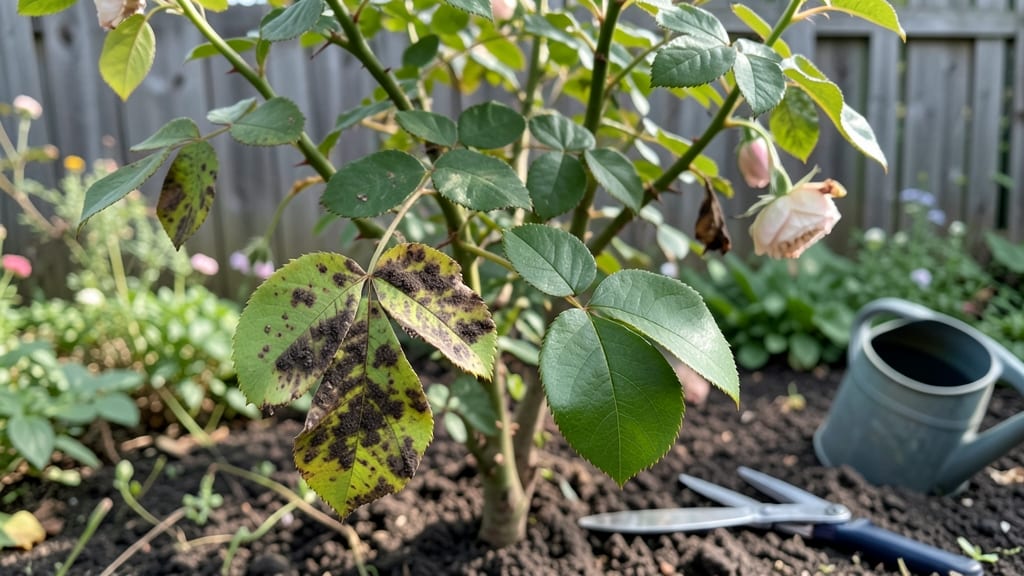
The right pruning doesn’t just cut back—it molds great rose leaves by inviting sunlight and airflow, transforming sluggish foliage into lush, disease-resistant greenery in just weeks. 🌹 I’ve watched moldy leaves blush back to vibrant green, and the blooms? Night and day. and day.
The problem isn’t just the mold—it’s the damp, crowded conditions that let it thrive. Roses need 2-3 feet of space between canes, and pruning at the right angle (just above an outward-facing bud) makes all the difference.
I learned this the hard way after losing half my bushes to black spot. Once you prune correctly, the next step is keeping leaves dry and air circulating. A morning watering routine and strategic placement (never against a wall) cuts mold risk by 70%.
The payoff? Roses that stay disease-free, bloom longer, and fill your garden with that classic fragrance. This works for hybrid teas, climbers, and shrub roses alike—just adjust the pruning timing for your climate. Let’s get those canes looking like pros!
Root Causes Of Leaf Mold
If your Rosa rugosa or other prized roses are developing fuzzy, grayish-green patches on their leaves, the culprit is often leaf mold—a fungal disease caused by Pseudopeziza rosae (formerly Marssonina rosae). This persistent issue thrives in specific conditions, turning vibrant foliage into a sad, moldy mess.
Understanding the why behind leaf mold is the first step to reclaiming those lush, fragrant blooms. Let’s break down the science and environmental triggers.
Leaf mold loves moisture, and roses are particularly vulnerable when water lands directly on their leaves. Here’s why:
- Spores spread easily: When water droplets splash onto leaves, fungal spores from infected debris (like fallen leaves or old mulch) hitch a ride and germinate. Think of it like a tiny fungal taxi service—Pseudopeziza rosae spores latch onto wet surfaces and start colonizing.
- Humidity creates the perfect petri dish: Ideal conditions for leaf mold are 70–90% humidity combined with warmth (60–75°F). Roses in shaded or densely planted areas trap moisture, while overhead irrigation (like sprinklers) keeps leaves damp for hours—giving the fungus a 24/7 buffet.
- Poor air circulation: Crowded rose bushes or thick foliage prevent airflow, trapping humidity against leaves. Without airflow, spores don’t dry out, and the fungus spreads unchecked.
Actionable fix: Water at the base of the plant in the early morning (so leaves dry by afternoon). Use drip irrigation or soaker hoses, and space roses 3–5 feet apart for airflow.
Leaf mold doesn’t just appear—it hibernates in old plant material. Here’s how debris fuels the problem:
- Infected leaves = spore factories: Fallen leaves, spent blooms, and pruned cuttings can harbor Pseudopeziza rosae spores for years. When conditions are right (like spring rains), these spores reanimate and infect fresh foliage.
- Mulch & soil moisture: Thick mulch layers (especially organic ones like wood chips) can hold moisture against the soil, creating a damp microclimate where spores thrive. If mulch touches the base of the plant, it may even splash spores onto leaves during watering.
- Pruning wounds: When you prune roses, you create openings for infection. If tools aren’t sterilized or cuts aren’t healed properly, spores can invade through fresh wounds.
Actionable fix:
- ✂️ Clean up debris: Remove all fallen leaves, spent blooms, and pruned cuttings from the base of the plant and compost them away from the garden (or burn them).
- 🧼 Sterilize tools: Use 70% isopropyl alcohol or a 10% bleach solution to clean pruners between cuts.
- 🌿 Adjust mulch habits: Keep mulch 2–3 inches away from the stem and use inorganic mulch (like gravel) if organic mulch retains too much moisture.
Leaf mold doesn’t strike randomly—it waits for the perfect storm. These weather conditions set the stage:
| Factor | Why It Helps the Fungus | How to Counteract |
|---|---|---|
| 🌦️ Cool, wet springs | Spores germinate best at 50–65°F with consistent rain. Many gardeners notice outbreaks in April–May after prolonged dampness. | Apply fungicide (like neem oil or copper spray) before rainy seasons start. |
| ☀️💧 Hot days + evening humidity | Days warm up, but nights stay cool and damp—this creates condensation on leaves, mimicking a greenhouse effect. | Prune for sun exposure (thin out crowded canes) and water deeply but less frequently. |
| 🌪️ High winds + rain | Wind scatters spores from infected plants to healthy ones, while rain washes spores onto leaves. | Plant windbreaks (like tall grasses or shrubs) and avoid overhead watering during storms. |
Pro tip: 🌡️ Use a hygrometer to monitor humidity near your roses. If it stays above 70% for more than 12 hours, take preventive action (e.g., fungicide spray or improving airflow).
A rose that’s already stressed is an open invitation for leaf mold. Common stressors include:
- Nutrient deficiencies: Roses low in potassium or phosphorus have thinner cell walls, making them easier targets for fungal invasion.
- Over-fertilizing with nitrogen: Too much N promotes soft, lush growth that’s susceptible to disease. Think of it like feeding a plant junk food—it grows fast but gets sick easily.
- Root damage or poor drainage: Compacted soil or waterlogged roots starve the plant, weakening its natural defenses.
- Pests (like aphids or mites): These injure leaves, creating entry points for fungi. Plus, they excrete honeydew, which attracts sooty mold—a secondary fungus that blocks sunlight and stresses the plant further.
Actionable fix:
- 🌿 Test your soil and amend with compost or a balanced fertilizer (10-10-10) to boost overall health.
- 💧 Improve drainage: If your soil is clay-heavy, mix in sand or perlite and plant roses on mounds.
- 🐜 Control pests early: Use neem oil or insecticidal soap to keep aphids/mites in check.
Revive Your Roses Naturally
If your Rosa plants are showing signs of moldy, discolored, or weak leaves, don’t panic—there’s hope! The key is to act fast with targeted fixes and prevention strategies. Below, we’ve mapped out practical solutions tailored to the most common causes of moldy rose leaves, from fungal infections to environmental stress.
Follow these steps to restore your roses to their former glory.
Mold thrives in soggy soil, so the first step is to improve airflow and drainage.
- 🔥 Adjust Watering Habits: Water deeply only when the top 1–2 inches of soil feel dry. Early morning is best to allow foliage to dry before evening humidity sets in.
- 🍳 Amend the Soil: Mix in compost or perlite to loosen heavy clay soil. Aim for a well-draining blend—roses hate "wet feet."
- 👨🍳 Elevate Planting Beds: If your roses are in containers or ground beds, consider raising them slightly with gravel or a mound of soil to prevent water pooling.
- ⏰ Check Drainage Holes: Containers must have drainage holes. Add a layer of pebbles or broken pottery at the bottom to prevent clogging.
💡 Pro Tip: Use a moisture meter to track soil dampness—roses prefer 60% moisture but can’t tolerate saturation.
Fungal spores love damp, shaded leaves. Here’s how to kick them to the curb.
- 🔥 Prune Infected Leaves: Snip off yellow, brown, or spotted leaves with sterilized pruners (wipe with rubbing alcohol between cuts). Dispose of debris in the trash not the compost.
- 🍳 Apply Fungicide:
- Baking Soda Spray: Mix 1 tsp baking soda + 1 quart water + a few drops of dish soap. Spray undersides of leaves weekly.
- Neem Oil: 1 tbsp neem oil + 1 tsp mild soap + 1 quart water. Spray in the evening to avoid burning leaves.
- Copper Fungicide: For severe cases, use a store-bought copper-based fungicide (follow label instructions).
- 🌡️ Improve Air Circulation: Thin out crowded canes or stake roses to space them 12–18 inches apart. Avoid planting near dense shrubs.
- ✨ Prevent Recurrence: Water at the base (not overhead) and remove mulch from the stem to keep foliage dry.
Shady roses are prime targets for mold. Give them the light they crave!
- 🔥 Relocate or Prune Obstructions: Trim back overhanging trees or move containers to a sunny spot (6+ hours of direct sun daily).
- 🍳 Reflect Light: Place a white reflective board or mirror near the plants to bounce extra sunlight onto shaded areas.
- 💪 Fertilize Smartly: Use a balanced rose fertilizer (10-10-10) or compost tea in early spring to strengthen roots and foliage.
- 🎯 Mulch Correctly: Apply 2–3 inches of organic mulch (straw or wood chips), but keep it 6 inches away from the stem to prevent rot.
💡 Pro Tip: Morning sun + afternoon shade is ideal in hot climates—avoid scorching leaves.
An ounce of prevention is worth a pound of cure. Keep these habits in your gardening toolkit:
| Action | How to Do It |
|---|---|
| 🌿 Regular Inspections | Check leaves weekly for early signs of mold, pests, or discoloration. |
| 💦 Smart Watering | Use a soaker hose or drip irrigation to deliver water at the roots, not the foliage. |
| 🌡️ Seasonal Cleanup | Remove fallen leaves and debris in autumn to reduce fungal spores over winter. |
| 🌱 Rotate Plant Locations | Move container roses every 2–3 years to prevent soil-borne diseases from building up. |
With these fixes, your roses should bounce back with vibrant, mold-free leaves and even more fragrant blooms this season. Happy gardening! 🌹
Frequently asked questions
What does mold on rose leaves look like?
Mold on rose leaves typically appears as fuzzy, grayish-green patches on the upper surface, often with yellow or brown spots underneath. In advanced cases, leaves may curl or develop dark, irregular streaks. This is usually Pseudopeziza rosae (leaf mold), which thrives in damp conditions.
Can I still use rose leaves with mold?
No, never use moldy rose leaves for tea, potpourri, or cooking. Mold spores can be harmful if ingested or inhaled. Remove all infected leaves immediately and dispose of them in the trash—not compost—to prevent spreading spores.
How often should I prune to prevent mold?
Prune your roses 2-3 times per year: once in late winter (before new growth), again after blooming, and lightly in summer if needed. Always remove crowded canes and dead/diseased leaves to improve airflow and sunlight penetration.
Will neem oil really help with rose leaf mold?
Yes! Neem oil is a natural fungicide that disrupts mold spores. Mix 1 tablespoon neem oil + 1 teaspoon mild soap + 1 quart water and spray on leaves (especially undersides) every 7-10 days during humid weather. It’s safe for roses and prevents recurrence.
Can I save my roses if they're already heavily infected?
With aggressive treatment, yes! Start by pruning all infected leaves, then apply a copper fungicide (follow label instructions). Improve airflow by spacing plants 3-5 feet apart and water at the base only. Monitor closely—healthy new growth should appear in 2-3 weeks.