
Container Gardens
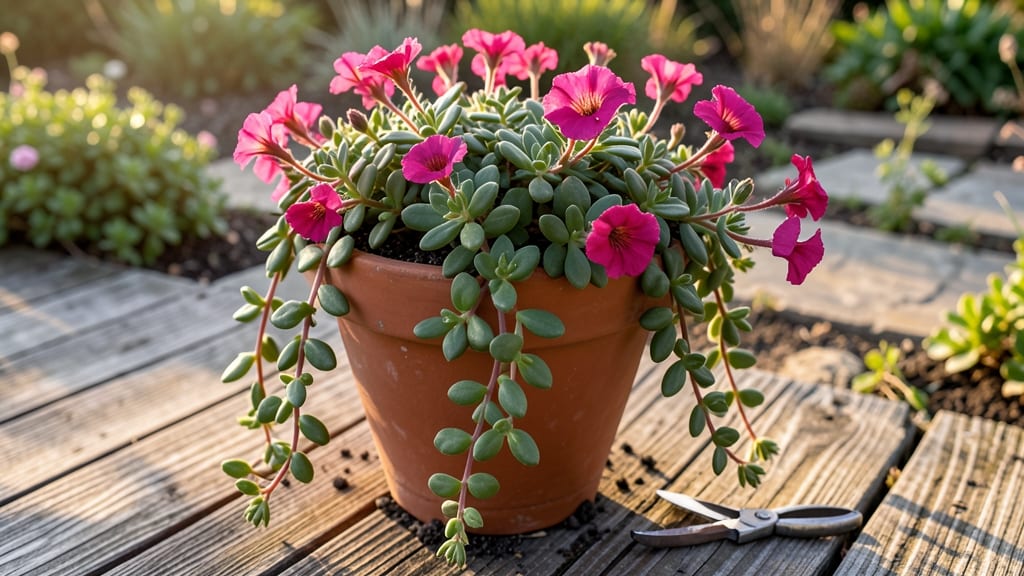
Your hanging basket just got a fragrant, heat-loving upgrade—moss rose portulaca spills like liquid sunshine. 🌸 I’ve turned this drought-tolerant stunner into the star of my patio, and the secret isn’t complicated: pair it with the right companions, keep it hydrated (but not soggy), and watch it cascade in sun-drenched colors that last all summer.
The magic happens when you mix moss rose with trailing plants like sweet potato vine or dusty miller—contrasting textures make the blooms pop. Stick to full sun (6+ hours daily) and well-draining soil, and you’ll get blooms from early summer until frost.
The fragrance? Subtle but addictive, like a warm breeze through a cottage garden.
By late July, your basket will be a vibrant, fragrant cloud that draws hummingbirds and neighbors alike. The best part? Moss rose thrives on neglect—perfect for busy gardeners. Just snip spent blooms to encourage more flowers, and you’re golden.
Works in any outdoor space—balconies, porches, or even a shady patio with bright indirect light. Let’s make your hanging baskets the envy of the block!
📚 In This Guide
- What you need
- Instructions
- Tips and common mistakes
- Wrapping up and next steps
What you need
- ● Moss rose portulaca plants: 5–7 healthy, vibrant plants (check for lush foliage and blooms). Pro tip: Opt for a mix of colors for a dazzling cascade! 🌈
- ● Hanging basket: 12–18" diameter, with good drainage holes (plastic, woven, or coconut fiber).
- ● High-quality potting mix: 2–3 gallons of well-draining, lightweight mix (e.g., 50% peat moss, 30% perlite, 20% compost).
- ● Slow-release fertilizer: 1 tbsp (for baskets under 12") or 2 tbsp (for larger baskets) of 14-14-14 or similar.
- ● Watering can or spray bottle: With a gentle rose nozzle for even hydration.
- ● Gloves: A pair to protect your hands from prickly stems.
- ● Scissors or pruners: For trimming roots or shaping plants.
- ○ Moss or decorative liner (optional): For a polished look (e.g., Spanish moss or coconut coir).
- ○ Mulch or pebbles (optional): To retain moisture and add texture.
- ○ Supportive stakes or rings (optional): If your basket is extra large or heavy.
- ● A sunny spot! Moss rose portulaca thrives in full sun (6+ hours daily).
- ● Access to water (baskets dry out faster than ground plants).
- ● Patience for the first 2–3 weeks as roots establish.
Step-by-Step instructions for creating a moss rose portulaca hanging basket
Here’s how to craft a vibrant, fragrant display that thrives in heat and cascades beautifully.
🪴 Step 1: Select and Prepare Your Hanging Basket
Choose a 12-14 inch diameter hanging basket with multiple drainage holes—critical for preventing root rot. I like wire baskets lined with coconut coir or sphagnum moss to retain moisture while allowing airflow. Soak the liner in water for 10 minutes before inserting it into the basket to eliminate air pockets and ensure even water distribution.
Line the basket’s bottom with 1-2 inches of lightweight potting mix to create a stable base for the drainage layer. This prevents soil from washing out when watering. Press it gently but firmly—you want it compact enough to hold the weight of the soil above but still loose enough for roots to penetrate.
🌱 Step 2: Layer Soil and Plant Moss Rose Portulaca
Fill the basket halfway with a well-draining potting mix blended with 20% perlite or coarse sand. Moss rose portulaca hates soggy roots, so avoid garden soil—it compacts and suffocates delicate stems. Moisten the mix until it’s damp but not dripping, then let it sit for 5 minutes to settle.
Plant 5-7 moss rose portulaca cuttings or young plants around the basket’s edge, spacing them 3-4 inches apart. Gently press the soil around the base to secure them without burying the stems too deeply—1 inch below soil level is ideal. The goal is to encourage a full, cascading look while allowing airflow between stems.
☀️ Step 3: Water and Position for Optimal Growth
Water thoroughly until water runs freely from the drainage holes—this ensures the roots establish quickly. Let the basket drain completely, then water again lightly to settle the soil. After planting, place the basket in a location with full sun (6+ hours daily) and protection from strong winds, which can damage tender stems.
Moss rose portulaca thrives in 70-95°F temperatures and wilts if exposed to frost. If your climate dips below 50°F at night, bring it indoors or cover it with a frost cloth. You’ll see new growth within 7-10 days—watch for bright green leaves and the first signs of those signature pink or white flowers emerging.
💧 Step 4: Maintain Moisture and Encourage Blooms
Water every 2-3 days during hot weather, allowing the top 1-2 inches of soil to dry out between waterings. Overwatering is the fastest way to kill these heat-lovers—drooping leaves signal thirst, but soggy soil means root rot. I use a spray bottle for light misting on particularly hot days to keep foliage hydrated without oversaturating the soil.
Feed with a balanced liquid fertilizer (10-10-10) every 2 weeks once blooms appear. This encourages continuous flowering and lush foliage. Deadhead spent blooms by pinching them off with your fingers—no need for pruners—to redirect energy into new flowers. You’ll notice a second flush of blooms within 3-4 weeks if you keep this up.
✂️ Step 5: Prune and Shape for a Full Cascade
When the portulaca reaches the basket’s rim, gently pinch back the longest stems to encourage bushier growth. This prevents leggy, sparse cascades and keeps the plant compact. Use clean, sharp scissors to trim stems just above a leaf node—never cut into woody stems, as they won’t regrow.
To maintain the cascade, let the stems grow 8-12 inches long before pruning again. This creates a gradual, layered look that fills the basket beautifully. If any stems look tired or overcrowded, snip them at the base to redirect energy to healthier growth. With consistent care, your moss rose portulaca will bloom nonstop from spring until frost.
Tips & tricks for perfect moss rose portulaca hanging baskets
Here's the secret to creating a lush, fragrant display that thrives in heat and cascades beautifully—without common pitfalls.
Drainage is Everything: The 10-minute soak for your coconut coir or sphagnum moss liner in Step 1 isn't just about hydration—it's about eliminating air pockets that could suffocate roots. After soaking, squeeze out excess water gently; soggy liners lead to root rot faster than you'd expect. I've seen baskets fail within days because of this overlooked step.
Soil Science Matters: That 20% perlite or coarse sand blend in Step 2 isn't arbitrary—it's what prevents the delicate portulaca roots from sitting in water. I recommend mixing in a handful of orchid bark for extra aeration if your climate gets particularly humid. The soil should crumble easily when dry; if it forms clumps, add more perlite.
Timing Your Watering: The 2-3 day watering schedule in Step 4 works best when you check the top 1-2 inches of soil with your finger. If it feels dry at your first knuckle, water thoroughly. I've learned the hard way that misting with a spray bottle (as mentioned) only works for the foliage—not the roots. For true hydration, always water at the soil level until it drains freely.
Pruning for Perfection: When pinching back stems in Step 5, look for the first set of leaves after the basket's rim—this is your pruning point. I've found that waiting until stems reach 8-12 inches creates that perfect layered cascade, but if you're in a particularly hot climate, you might need to prune slightly earlier to prevent heat stress on the longer stems.
Pro Tips for Moss Rose Portulaca Hanging Basket
- Here's the secret to creating a lush, fragrant display that thrives in heat and cascades beautifully—without common pitfalls.
- Drainage is Everything: The 10-minute soak for your coconut coir or sphagnum moss liner in Step 1 isn't just about hydration—it's about eliminating air pockets that could suffocate roots.
- Soil Science Matters: That 20% perlite or coarse sand blend in Step 2 isn't arbitrary—it's what prevents the delicate portulaca roots from sitting in water.
Frequently asked questions
Got questions about growing moss rose portulaca in hanging baskets? You’re not alone! Here are answers to the most common queries to help you cultivate a stunning, fragrant display with ease.
What’s the best temperature range for moss rose portulaca in hanging baskets?
Moss rose portulaca thrives in warmth—ideal temperatures range from 65°F to 95°F (18°C–35°C). It’s heat-tolerant but may go dormant in freezing temps (<32°F/0°C). If you live in a cooler climate, treat it as an annual or bring baskets indoors before frost.
How often should I water moss rose portulaca in a hanging basket?
Water daily in hot weather—hanging baskets dry out faster! Let the top inch of soil feel dry before watering, but avoid soggy roots. Morning watering prevents evaporation. Reduce frequency in cooler months, but never let it wilt. Pro tip: Use a self-watering basket or drip irrigation for consistency!
Can I grow moss rose portulaca from seed in a hanging basket?
Start seeds 6–8 weeks before last frost indoors or sow directly in baskets after soil warms (when night temps stay above 50°F/10°C). Press seeds lightly into well-draining soil—they need light to germinate (cover with just a sprinkle of soil). Thin seedlings to 3–4 inches apart for full, lush cascades.
Why are my moss rose portulaca leaves turning yellow or wilting?
Yellow leaves often signal overwatering or poor drainage. Ensure baskets have drainage holes and use a light, sandy potting mix. Wilting? Check for underwatering or root rot (smelly, mushy roots). Move baskets to bright, indirect light if leaves scorch. Pests like aphids can also stress plants—spray with water or neem oil if needed.
What are some fragrant alternatives to moss rose portulaca for hanging baskets?
If you love fragrance but want variety, try:
- Sweet Alyssum (Lobularia maritima) – Sweet honey scent, compact, and heat-loving.
- Lantana – Citrusy fragrance (some varieties) and long-lasting blooms.
- Trailing Lobelia – Mild floral scent, thrives in shade.
- Creeping Thyme – Herbal aroma, drought-tolerant, and great for edging.
Pair these with moss rose for a double-layered sensory experience!
Wrapping up and next steps
Transforming your space with a moss rose portulaca hanging basket is easier—and more rewarding—than you think! 🌸 Whether you're a seasoned gardener or just starting, these vibrant, heat-loving blooms bring effortless charm and fragrance to any patio or balcony.
With the right care, your cascading display will thrive, turning heads and filling the air with a sweet, citrusy scent.
Ready to dive in? Grab your supplies, follow the steps, and start planting! Your future garden oasis is just a basket away—happy gardening! 🌿