
Planting
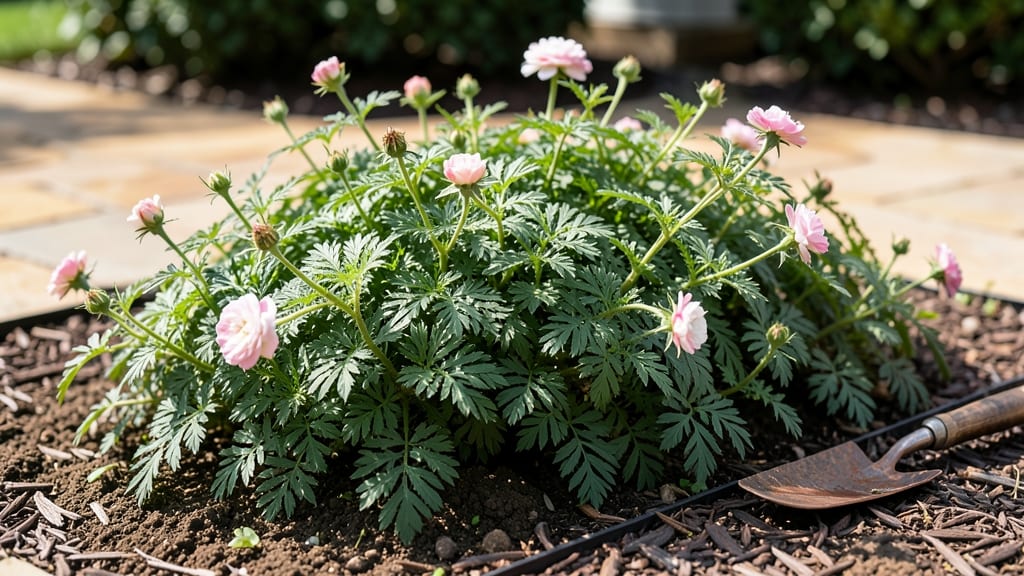
Moss roses thrive in zones 9–11, where they bloom year after year with that unmistakable sweet fragrance—but don’t let cold climates stop you. 🌿 I’ve grown them in zones 5–8 as annuals, and the secret lies in timing, soil prep, and a little winter prep work to extend their season.
These vines love full sun and well-drained soil, almost like they’re built for desert climates. Overwatering is their downfall—let the top inch of soil dry out between drinks, and they’ll reward you with lush, fragrant blooms all summer.
In cooler zones, treat them like tender annuals or grow them in containers you can move indoors before frost.
By mid-summer, you’ll have vibrant pink and white blossoms climbing trellises, filling your garden with a scent that rivals roses. Even in colder zones, a little planning turns them into a seasonal showstopper—just plant them after the last frost and enjoy while you can.
Whether you’re in their native range or treating them as a summer fling, moss roses are low-maintenance, drought-tolerant, and impossible to resist. Here’s how to make them thrive in your garden, no matter where you live.
📚 In This Guide
- What you need
- Instructions
- Tips and common mistakes
- Wrapping up and next steps
What you need
- ● Moss Rose Plants: 3–5 healthy Portulaca grandiflora (Moss Rose) plants (choose cold-hardy varieties like 'Sunset' or 'Sunset Double').
- ○ Optional: Pre-rooted cuttings if propagating from existing plants.
- ● Soil: Well-draining potting mix (50% premium garden soil + 50% perlite/pumice for aeration).
- ● For containers: 10–15 gallons of mix per 12" pot (add 1 cup slow-release fertilizer per pot).
- ● Planting Site: Full sun (6+ hours daily) in USDA Zones 3–11 (moss roses thrive in heat and light frost!).
- ○ Optional: Raised beds or containers for poor-drainage areas.
- ● Tools: Trowel or small shovel
- ● Garden gloves (to avoid sap irritation)
- ● Watering can or hose with gentle spray nozzle
- ○ Optional: Pruning shears (for shaping), mulch (straw or pine needles for winter protection).
- ● Insulation: Burlap wraps or frost cloth (cover plants after first frost).
- ○ Heat Source: Optional: Mini greenhouse lights or heat mats for severe freezes.
- ● Moisture Barrier: Clear plastic domes (cut from bottles) to trap warmth.
Step-by-Step instructions for planting moss roses in cold climates
Here's how to establish these hardy, fragrant vines so they thrive through winter's worst.
🪴 Step 1: Select the Perfect Planting Location
Moss roses need full sun to partial shade—at least 4-6 hours of direct sunlight daily. I always choose spots near south-facing walls or fences where they get morning sun and afternoon shade in hot climates. The key is shelter from harsh winter winds, which can dry out the foliage.
Test your site by observing how sunlight moves across the area throughout the day. Moss roses tolerate some shade, but too little light means fewer blooms. Press your finger into the soil—it should be well-draining but able to hold moisture. If it feels compacted, amend with 2-3 inches of compost before planting.
🌱 Step 2: Plant at the Right Depth and Spacing
Dig a hole twice as wide as the root ball but only as deep as the container's base. Moss roses hate being buried too deep—planting too low can suffocate the roots and cause rot. Gently remove the plant from its container and loosen any circling roots with your fingers.
Space plants 3-4 feet apart to allow air circulation, which prevents fungal diseases. Backfill the hole with native soil, pressing lightly to eliminate air pockets. Water deeply right after planting to settle the soil and encourage root contact. You'll know it's right when the soil surface looks slightly damp but not soggy.
☀️ Step 3: Provide Winter Protection for Young Plants
In their first winter, moss roses need extra protection. After the first hard frost, mound 4-6 inches of mulch around the base, keeping it 2-3 inches away from the stem. I use shredded bark or straw—both insulate roots while allowing moisture to penetrate. Avoid thick layers of leaves, which can compact and trap moisture, inviting rot.
For established plants in zones below 5, wrap the crown with burlap or frost cloth after the ground freezes. This creates a microclimate that shields tender growth. Check mulch levels in early spring—if it's broken down, add more to maintain insulation until temperatures stabilize above 40°F.
💧 Step 4: Water and Fertilize for Cold-Hardy Growth
Water moss roses deeply once a week during the growing season, aiming for 1 inch of water per week. In winter, reduce to every 2-3 weeks unless you see signs of drought—wilting leaves or dry soil 2 inches below the surface. Overwatering in cold weather stresses roots and makes them susceptible to freeze damage.
Feed in early spring with a balanced 10-10-10 fertilizer at half-strength. Moss roses aren't heavy feeders, so too much fertilizer encourages lush foliage at the expense of blooms. I also scatter composted manure around the base in late fall to build organic matter for next year's growth.
✂️ Step 5: Prune for Winter Resilience
Prune moss roses in late winter or early spring before new growth begins. Cut back one-third of the oldest stems to encourage fresh, vigorous growth. Remove any dead, diseased, or crossing branches first—they compete for nutrients and invite pests. Use clean, sharp pruners to make cuts at a 45-degree angle just above a leaf node.
Never prune in fall, as new growth won't harden off before winter. I always wear gloves when pruning—moss roses have small thorns that can draw blood if you're not careful. After pruning, apply a copper fungicide spray to prevent disease from entering through fresh cuts.
Tips & tricks for perfect moss rose planting
These practical strategies will help you establish thriving moss roses that survive even the harshest winters.
Sunlight Strategy: In Step 1, when selecting your planting location, observe sunlight patterns for a full week before choosing. Moss roses need that 4-6 hours of direct sunlight daily, but morning sun with afternoon shade works best in hotter climates. I've found that south-facing walls provide ideal protection from harsh afternoon winds while still capturing enough sunlight for abundant blooms.
Root Care Technique: During Step 2, when loosening circling roots, take extra care with older plants that may have tightly bound roots. Use your fingers to gently separate them without tearing the root ball. This prevents transplant shock and helps the roots establish more quickly in their new home. For container-grown plants, soak the root ball for 10-15 minutes before planting to ensure thorough hydration.
Winter Protection Insight: In Step 3, when applying mulch, consider using a 2-inch layer of straw directly against the stem for added insulation. Then mound 4-6 inches of shredded bark around the base. This two-layer approach creates better insulation than single-layer mulching. Remember to check mulch levels in early spring—if it's broken down, add more to maintain protection until temperatures consistently stay above 40°F.
Watering Wisdom: For Step 4's watering schedule, I've found that using a soaker hose delivers water directly to the root zone without wetting the foliage. This prevents fungal diseases while ensuring the roots get the 1 inch of water per week they need during growing season. In winter, only water when you see signs of drought—wilting leaves or dry soil 2 inches below the surface—as overwatering can actually harm cold-hardy roots.
Pro Tips for Moss Rose Zone
- These practical strategies will help you establish thriving moss roses that survive even the harshest winters.
- Sunlight Strategy: In Step 1, when selecting your planting location, observe sunlight patterns for a full week before choosing.
- Root Care Technique: During Step 2, when loosening circling roots, take extra care with older plants that may have tightly bound roots.
Frequently asked questions
Got questions about cultivating moss rose vines in the Moss Rose Zone
? You’re not alone! Here are answers to the most common concerns—from timing to troubleshooting—so your fragrant climbers thrive even in cold snaps.
What USDA Hardiness Zones support moss rose vines year-round?
The Moss Rose Zone (USDA Zones 7-10) is ideal for these vines, as they’re native to Mediterranean climates. In Zones 6 or colder, plant in containers or mulch heavily to protect roots. For Zones 11+, ensure partial shade to prevent leaf scorch.
How do I prepare moss rose vines for winter in colder zones?
Start by cutting back vines to 6-12 inches tall in late fall. Wrap the base with burlap or frost cloth, then mound mulch (straw or leaves) 4-6 inches deep. In pots, move to a sheltered spot or garage (above freezing).
Can moss roses survive a sudden freeze or late frost?
Young plants (<1 year) are most vulnerable, but established vines often bounce back. If temps drop below 20°F, cover plants with blankets or cardboard boxes (remove during the day). Prune damaged growth in spring—new shoots will emerge!
Are there drought-tolerant alternatives to moss rose?
Yes! Try jasmine (Trachelospermum) (Zones 7-11), star jasmine (Gelsemium) (Zones 7-10), or honeysuckle (Lonicera) (Zones 3-9). These climbers offer similar fragrance and cold resistance with minimal watering.
Why aren’t my moss rose vines blooming this year?
Check these fixes:
- Sunlight: Ensure 6+ hours of sun daily (partial shade in hot zones).
- Pruning: Trim after flowering to encourage new growth.
- Fertilizer: Use a balanced, low-nitrogen feed (10-10-10) in early spring.
- Age: Vines may take 2-3 years to bloom fully.
Pro Tip:
For extra fragrance, plant moss roses near patios or windows. Their evening-blooming scent is perfect for summer nights!
Wrapping up and next steps
Discovering the Moss Rose Zone opens up a world of fragrant, frost-resistant vines that bring year-round beauty to your garden! These hardy plants thrive even in colder climates, offering easy-care elegance with minimal fuss.
Whether you're a seasoned gardener or just starting, their resilience and charm make them a must-have for any outdoor space.
Ready to transform your garden? Start by selecting the perfect Moss Rose variety for your zone and soil type—then watch as these delicate yet tough vines climb, bloom, and delight you with their sweet scent! 🌿✨