
Pests and Diseases
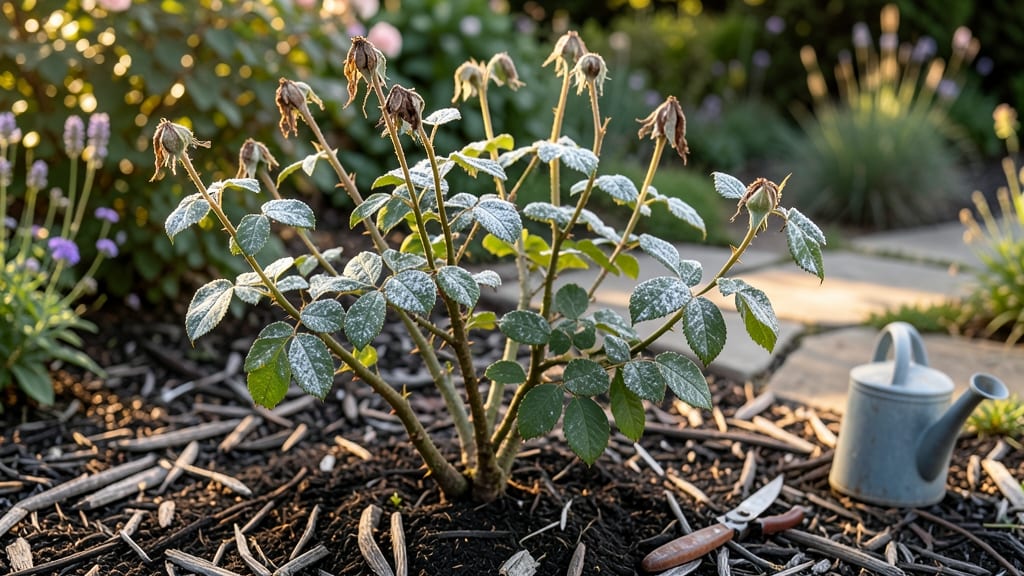
That chalky white on your rose bush leaves isn’t just unsightly—it’s powdery mildew, a fungal blight that can weaken your plants if ignored. 🌿 I’ve battled it on my climbing roses, and here’s how to stop it in its tracks. with three natural steps that actually work.
The culprit is usually powdery mildew, a fungus that thrives in humid, shaded conditions. You’ll spot it as white or gray patches on leaves, stems, or buds—sometimes even turning leaves yellow or causing them to drop. The good news?
This isn’t a death sentence for your roses, but early action is key. With proper treatment, your roses will bounce back stronger than ever. You’ll see fresh, green leaves within 2-3 weeks of starting the cure, and the blooms will return with full vigor.
The secret is combining the right treatments with smart gardening habits. This method works for all rose varieties—hybrid teas, floribundas, and even wild roses. Let’s get those leaves clean and your roses thriving again!
Understanding the Culprits Behind White Leaf Spots
When you spot white patches creeping across your rose bush leaves, it’s not just an unsightly blemish—it’s often a sign of fungal or bacterial activity. These issues thrive in specific conditions, and understanding their root causes is the first step toward restoring your roses to their vibrant best.
Let’s break down the most common reasons why your rose leaves develop white spots, backed by science and actionable insights.
Fungi are the most frequent offenders behind white leaf spots on rose bushes. These microscopic organisms love damp, warm environments and can spread rapidly if left unchecked. Here are the top fungal culprits:
- Powdery Mildew 🌬️
This is the most common fungal disease affecting roses, recognizable by its white, powdery coating on leaves. It thrives in humid conditions with poor airflow, often appearing on the upper leaf surfaces. The fungus Erysiphe or Sphaerotheca species feed on plant sugars, weakening the rose’s ability to photosynthesize.
Why it starts: High humidity (above 75%), nighttime dew, or overhead watering creates the perfect breeding ground. Fungal spores spread via wind or splashing water, landing on susceptible leaves.
- White Rust 🛡️
Caused by the fungus Puccinia, white rust produces white, powdery pustules on both leaf surfaces. Unlike powdery mildew, it often appears yellowish-orange on the undersides. This fungus overwinters in infected plant debris and re-emerges when conditions are moist and warm (60–80°F).
Why it spreads: Poor sanitation (leaving fallen leaves or infected stems) and overcrowded plants with limited airflow accelerate its growth.
- Leaf Spot Fungi (e.g., Septoria or Cercospora) 🎯
These fungi cause small, white or grayish spots with dark borders, often surrounded by yellow halos. They thrive in wet foliage and can lead to leaf drop if severe. Septoria is particularly aggressive in cool, wet springs.
Why it takes hold: Frequent leaf wetness (from rain or irrigation) and lack of fungicide prevention allow spores to germinate and infect new tissue.
Fungi and bacteria don’t act alone—they rely on environmental conditions to flourish. These factors create the ideal breeding ground for white leaf spots:
| Factor | Why It Matters | How to Adjust |
|---|---|---|
| High Humidity (75%+) | Fungal spores germinate faster in moist air, forming protective layers that resist drying. | Use a hygrometer to monitor levels; aim for 40–60% humidity around plants. |
| Poor Air Circulation | Stagnant air traps moisture, giving fungi a constant food source (plant sugars). | Prune roses to open the canopy; space plants 3–4 feet apart. |
| Overhead Watering | Wet leaves for long periods create ideal conditions for spores to land and infect. | Water at the base using drip irrigation or soaker hoses. |
| Nighttime Dew | Dew provides free moisture for 6–12 hours, extending fungal activity. | Choose disease-resistant rose varieties (e.g., ‘Knock Out’ roses). |
While fungi get most of the blame, bacteria can also cause white or grayish spots on rose leaves. These pathogens are less common but more aggressive once established:
- Bacterial Leaf Spot (Xanthomonas) 🔬
This bacterium creates water-soaked spots that turn white or gray with yellow margins. It thrives in warm, wet conditions (70–85°F) and spreads via contaminated pruners or rain splash.
Why it’s dangerous: Infected leaves drop prematurely, weakening the plant. Unlike fungi, bacteria cannot be controlled with fungicides—copper-based bactericides are the only solution.
- Fire Blight (Erwinia amylovora) 🔥
Though more common in apples and pears, fire blight can infect roses, causing white, oozing cankers on stems and leaves. It spreads via bees or rain and thrives in spring or fall.
Why it’s sneaky: It often starts as a white, necrotic spot before turning black and crispy.
Sometimes, the white spots are a direct result of gardening habits. These common mistakes create the perfect conditions for pathogens:
- Over-Fertilizing with Nitrogen 💥
Too much nitrogen promotes lush, soft growth that’s highly susceptible to fungal infections. Roses become stressed, making them easier targets.
Fix it: Use a balanced fertilizer (10-10-10) and avoid heavy nitrogen in summer.
- Ignoring Pruning Hygiene ⚠️
Using dull or contaminated pruners can spread bacteria and fungi from infected to healthy branches. Never prune when leaves are wet.
Fix it: Sterilize tools with rubbing alcohol between cuts.
- Planting in Shade or Low Spots 🌑
Roses need 6–8 hours of sunlight to dry quickly. Shady or damp areas prolong moisture on leaves, inviting fungal growth.
Fix it: Relocate roses to full sun and improve drainage.
Now that you know the why behind white leaf spots, the next step is identifying the exact cause and applying targeted solutions. Stay tuned for our 3-step natural cure to bring your roses back to health!
Quick Fixes for Fungal Issues
Seeing that white, powdery, or fuzzy film on your rose leaves? Don’t panic—this is a fungal infection, but it’s totally treatable with the right steps. Below, we’ll break down the most common causes and match them with simple, natural solutions.
Plus, we’ll share some prevention tips to keep your roses healthy and thriving.
If the white coating looks like dust or flour, you’re dealing with powdery mildew. This fungus thrives in warm, humid conditions and spreads quickly if left unchecked.
#### 🔥 Step 1: Prune and Clean (The First Line of Defense) - 👨🍳 Remove infected leaves – Snip off any leaves, stems, or buds covered in white powder. Dispose of them in the trash (not the compost!). - 🌿 Trim for airflow – Thin out crowded branches to improve air circulation around the plant. #### 🥘 Step 2: Homemade Spray for Immediate Relief Mix one of these in a spray bottle and apply to both sides of the leaves (early morning or evening to avoid sunburn): | Solution | How to Make It | How Often to Apply | |----------------------------|-------------------------------------------------------------------------------------|------------------------------| | Baking Soda Spray | 1 tsp baking soda + 1 quart water + 1 tsp mild soap (like dish soap) | Every 7–10 days until cured | | Milk Spray | 1 part milk + 9 parts water | Every 5–7 days | | Neem Oil Mix | 1 tsp neem oil + 1 tsp soap + 1 quart water (shake well before use) | Every 7 days | Pro Tip: 💡 Add a few drops of hydrogen peroxide (3%) to your spray for extra antifungal power. #### 🛡️ Step 3: Prevent Future Outbreaks - 🌡️ Water at the base – Avoid wetting leaves, especially in the evening. - ✨ Space plants properly – Keep roses 3–4 feet apart to reduce humidity buildup. - 🌿 Mulch wisely – Use straw or wood chips (not thick layers) to keep soil moist but not soggy.If the white fuzz is downy (like cotton) and appears on the undersides of leaves, you’ve got downy mildew. This one spreads faster and can kill roses if ignored.
#### 🔪 Step 1: Severe Pruning (No Half-Measures) - 🌿 Cut back infected growth – Remove all affected leaves and stems down to healthy tissue. Sterilize pruners with rubbing alcohol between cuts. - 🚫 Isolate the plant – Move it away from other roses until it’s fully recovered. #### 🍳 Step 2: Copper or Sulfur Spray (The Heavy Hitters) - 💧 Copper fungicide spray – Follow label instructions (usually 1–2 applications per week). - 🌿 Sulfur dust – Lightly dust the plant (best in dry conditions) for a natural fungicide. #### 🎯 Step 3: Long-Term Defense - 🌱 Plant resistant varieties – Look for roses labeled “disease-resistant” (e.g., ‘Knock Out’ or ‘Dr. Huey’). - 🌡️ Improve drainage – Ensure pots or garden beds aren’t waterlogged. - 🌿 Rotate sprays – Alternate between neem oil and copper to prevent resistance.White spots with black centers? That’s black spot fungus, and it’s aggressive. But with consistency, you can win.
#### ⏰ Step 1: Weekly Cleanup Routine - 🧹 Wipe leaves – Use a damp cloth to gently clean leaves (especially undersides). - 🌿 Rake up fallen leaves – Fungal spores love hiding in leaf litter. #### 🍄 Step 2: Organic Fungicide Blend Mix these in a spray bottle: - 1 tbsp horticultural oil - 1 tbsp vinegar (white or apple cider) - 1 quart water - 💡 Shake well and spray until leaves are damp (repeat every 5 days). #### 🛡️ Step 3: Boost Plant Immunity - 💪 Fertilize with compost tea – Strengthens roses naturally. - 🌿 Avoid overhead watering – Use a drip system or water at the base. - 🌞 Give them sun – Black spot thrives in shade; aim for 6+ hours of sunlight daily.With these steps, your roses should bounce back in 2–4 weeks. The key is consistency—fungi don’t quit, so neither should you! Once your roses are healthy, stick to the prevention tips to keep them that way.
Frequently asked questions about white spots on rose bush leaves
Why do my rose leaves have white spots even though I water at the base?
Even with proper watering, white spots often appear due to humidity or poor airflow. Fungal spores thrive when morning dew lingers or plants are too crowded. Try spacing bushes 3-4 feet apart and watering early in the day so leaves dry quickly. A fan on low setting can also help circulate air.
Is it safe to use milk spray on roses with white spots?
Yes! A 1:9 milk-to-water spray is excellent for powdery mildew and safe for roses. Apply every 5-7 days at dawn or dusk to avoid leaf burn. For tougher cases, combine with 1 tsp neem oil per quart for extra fungal protection. Always test on a small leaf first.
Can I still harvest roses with white spots on the leaves?
Yes, but only cut flowers from healthy stems. Remove any buds or flowers showing white fuzz, as fungal spores can contaminate them. Prune infected leaves immediately to prevent spread. Diseased blooms should be discarded in the trash, not composted.
How do I know if my rose has powdery mildew vs. white rust?
Check the leaf undersides: powdery mildew stays white on both sides, while white rust shows yellow-orange pustules underneath. Also, mildew appears fluffy like dust, while rust looks like raised bumps. Rust often spreads faster and requires copper-based treatments.
Will my rose bush recover completely after treatment?
With consistent care, most roses recover fully within 2-4 weeks. Focus on removing infected growth, improving airflow, and applying fungicides. New leaves will emerge green and healthy. For severe cases, consider replacing heavily damaged stems. Disease-resistant varieties like 'Knock Out' roses bounce back faster.