
Flowers
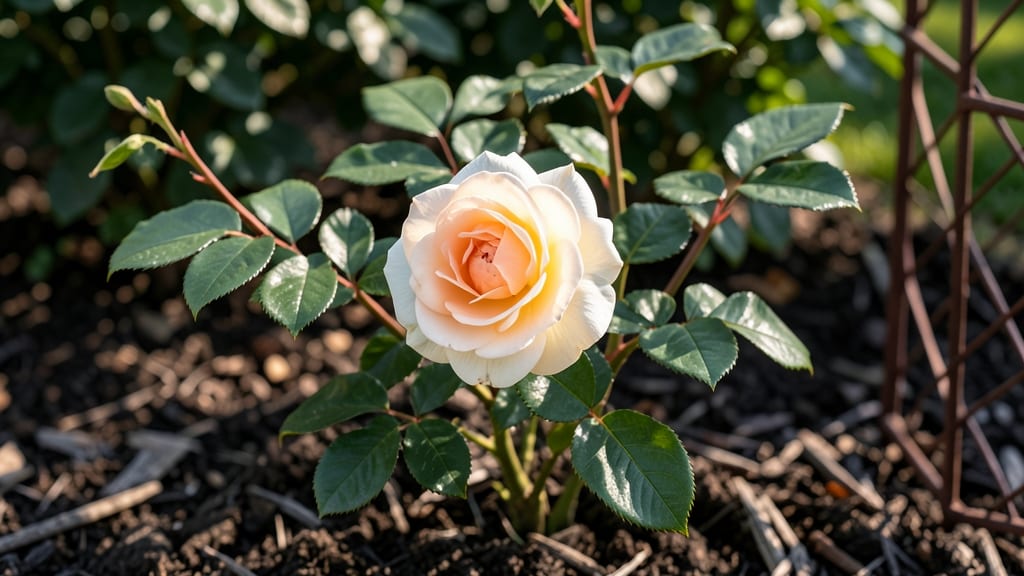
Orange white roses bring drama to weddings and garden borders with their striking contrast. 🌹 Honestly, I've never seen a color combo that commands attention like this one—it's bold yet refined, perfect for making a statement without being overpowering.
These roses thrive in full sun and well-drained soil, which makes them ideal for high-visibility garden spots where their vibrant petals can truly shine.
The secret to their timeless elegance lies in how they pair with other plants. Try them alongside lavender for a soft purple contrast or mix in salvia for a pop of deep blue that makes the orange-white blooms stand out even more.
For garden borders, plant them in clusters of three to five stems every 2-3 feet to create a lush, continuous display that draws the eye along pathways.
Seasonal blooming patterns mean you'll enjoy their beauty from early summer through fall, with some varieties even offering a second flush in late summer. Imagine the impact of these roses framing a wedding arch or lining a garden path—every step would feel like a special moment.
Their fragrance alone makes them worth growing, but the visual drama is what truly elevates any space.
For maximum impact, consider planting them near seating areas or entryways where their color and scent can be fully appreciated. They work equally well in formal hedges or as loose, natural-looking borders, giving you flexibility to match any garden style.
The key is to let their natural beauty take center stage while using complementary plants to enhance their effect.
📚 In This Guide
- What you need
- Instructions
- Tips and common mistakes
- Wrapping up and next steps
What you need
- ● Orange-white roses: 12-24 stems (depending on arrangement size). Look for hybrid teas or grandifloras for long-lasting blooms.
- ● Floral preservative: 1 packet (to extend vase life by 3-5 days). Choose a rose-specific formula for best results.
- ● Floral foam (or chicken wire): For vases: A block of floral foam (size depends on container—e.g., 4"x4"x4" for small arrangements).
- ● For garden borders: Chicken wire (18-gauge, 2'x4' sections) to secure stems.
- ● Scissors or floral shears: 1 pair (clean, sharp blades to avoid crushing stems).
- ● Vase or container: For bouquets: A glass vase (8"-12" tall) or a brass/ceramic vessel for rustic charm.
- ● For garden borders: A wooden trellis or metal grid (e.g., 2'x4' frame).
- ● Filler flowers: Baby’s breath (white), ranunculus (peach), or dusty miller (silver) to add texture.
- ● Greenery: Eucalyptus (silver or green), hypericum berries, or ivy for contrast.
- ● Ribbon or twine: Satin ribbon (cream/blush) or jute twine for wrapping stems.
- ● Floral tape: 1 roll (to secure stems in bouquets).
- ● Waterproof glue: For attaching leaves or faux elements (e.g., pearls) to stems.
- ● A well-lit workspace (natural light is ideal for color accuracy).
- ● Patience! Orange-white roses are delicate—take your time to arrange them beautifully.
- ● Pro tip: 💡 Trim stems at an angle (1-2 inches) and remove lower leaves to prevent bacterial growth.
How to plant and care for stunning orange-white roses
Here’s the straightforward approach I’ve used to grow showstopping orange-white roses—whether for garden borders or wedding bouquets.
🌱 Step 1: Choose the Right Location and Prepare the Soil
Orange-white roses thrive in full sun, so pick a spot where they’ll get at least 6-8 hours of direct sunlight daily. If your garden is shady, these roses will still grow but may produce fewer blooms. I always test the soil first—it should be well-draining and slightly acidic, between 6.0-6.5 pH. If your soil is heavy clay, mix in 2-3 inches of compost to improve drainage.
Dig a hole twice as wide as the rose bush’s root ball but only as deep as the container it came in. Loosen the soil at the bottom of the hole with a fork to encourage root spread. This ensures the roots won’t get crowded or suffocate once planted. If you’re planting multiple roses, space them 3-4 feet apart—they’ll grow into lush, full bushes over time.
🪴 Step 2: Plant Bare-Root or Container-Grown Roses Correctly
If you’re planting a bare-root rose, soak the roots in lukewarm water for 1-2 hours before planting. This jumpstarts hydration and helps the roots wake up. For container-grown roses, gently remove the plant from its pot and tease the roots apart if they’re circling tightly—this prevents root bound stress.
Place the rose in the hole so the graft union (the bump where the rose was attached to its rootstock) sits 2 inches below soil level. This protects it from freezing and encourages stronger growth. Backfill the hole with the amended soil, pressing lightly to remove air pockets. Water deeply right after planting to settle the soil and eliminate gaps around the roots.
☀️ Step 3: Water and Fertilize for Strong, Healthy Growth
Water your roses deeply once a week (or more often in hot weather) to encourage deep root growth. You’ll know you’re doing it right when the soil is damp 6 inches down—stick your finger in to check. Overwatering is a common mistake—roses hate soggy roots, which can lead to disease. Mulch around the base with 2-3 inches of organic mulch (like shredded bark) to retain moisture and regulate soil temperature.
Feed your roses with a balanced rose fertilizer (like 10-10-10) every 4-6 weeks during the growing season. Start fertilizing in early spring once new growth appears and stop in late summer to allow the plant to harden off for winter. You’ll see stronger stems, more blooms, and deeper color in your orange-white roses when they get the right nutrients.
✂️ Step 4: Prune for Shape and Blooms Year-Round
Prune your roses twice a year: once in early spring (just before new growth starts) and again after the first flush of blooms in late spring. Remove any dead, diseased, or crossing branches first—this keeps air circulating and prevents fungal issues. Then, cut back the remaining canes by one-third to encourage bushier growth and more flowers.
For continuous blooming, deadhead spent flowers regularly. Simply snip off the faded bloom and the first set of leaves below it. This redirects the plant’s energy into producing new buds instead of seed pods. In late fall, give your roses a light pruning to remove any weak growth, but avoid heavy cuts—you want to leave enough foliage to protect the plant over winter.
🌿 Step 5: Protect and Maintain for Long-Term Beauty
Watch for Japanese beetles, aphids, or black spot fungus—these are the most common pests and diseases for roses. I spray a neem oil solution preventatively in early summer to keep pests at bay. If you notice yellowing leaves or black spots, treat immediately with a fungicide and improve air circulation around the plant by pruning nearby foliage.
In winter, mound 4-6 inches of mulch around the base of the rose to insulate the roots from freezing temperatures. If you’re in a harsh climate, consider wrapping the canes loosely with burlap or a rose cone for extra protection. With consistent care, your orange-white roses will reward you with bold, fragrant blooms for years to come.
Tips & tricks for cultivating gorgeous orange-white roses
These little details make all the difference when growing roses that steal the show in any setting.
Sunlight Strategy: While the instructions call for 6-8 hours of direct sunlight, I've found that morning sun (especially between 8 AM and 12 PM) is even more beneficial for orange-white roses. The cooler morning light helps prevent leaf scorch while still providing the energy they need to develop vibrant blooms. If you're planting near a fence or wall, position the roses so they get sunlight on the south or west side of the structure, which reflects additional warmth onto the plants.
Soil Prep Secret: The 2-3 inches of compost recommendation is perfect, but I always add a handful of egg shells (crushed) to the planting hole for extra calcium. This prevents yellowing leaves and strengthens cell walls, especially important for the delicate petals of orange-white varieties. Mix the crushed shells into the bottom of the hole before adding your amended soil. The eggshells break down slowly and provide calcium over time without altering the soil pH.
Planting Precision: When positioning your rose bush, make sure the graft union sits exactly 2 inches below soil level—this is non-negotiable for long-term health. I've seen many gardeners bury it deeper to "protect" it, but this actually suffocates the roots and can lead to disease. After planting, create a small mound of soil around the base (about 1 inch high) to help direct water toward the roots during your first watering. This ensures the water penetrates deeply rather than running off the sides.
Watering Wisdom: The "damp 6 inches down" guideline is spot-on, but here's how to check it properly: Use a long screwdriver or metal rod to poke into the soil. When you pull it out, the soil should cling to it slightly but not be dripping wet. In hot weather, I increase my watering to every 3-4 days rather than sticking to the weekly schedule, but I always water deeply—never just a quick sprinkle. This encourages roots to grow deeper, making your roses more drought-resistant over time.
Pro Tips for Orange White Roses
- These little details make all the difference when growing roses that steal the show in any setting.
- Sunlight Strategy: While the instructions call for 6-8 hours of direct sunlight, I've found that morning sun (especially between 8 AM and 12 PM) is even more beneficial for orange-white roses.
- Soil Prep Secret: The 2-3 inches of compost recommendation is perfect, but I always add a handful of egg shells (crushed) to the planting hole for extra calcium.
Frequently asked questions
Got questions about orange white roses? You’re not alone! Whether you’re planning a wedding, designing a garden, or just curious about care, here are some of the most common queries—and their answers.
What do orange white roses symbolize?
Orange white roses blend passion (orange) with purity and new beginnings (white), making them a stunning choice for love, friendship, or fresh starts. They’re often used in weddings to represent joyful commitment or romantic warmth.
When is the best time to plant orange white roses?
Plant them in early spring or fall (after the last frost) for best results. Avoid extreme heat or cold—rose roots need time to establish before summer’s intensity. Pro tip: Soak bare-root roses in water for 2–4 hours before planting!
Can orange white roses grow in containers?
Choose a large pot (at least 12–15 inches deep) with drainage holes and well-draining soil. Dwarf varieties like ‘Knock Out’ roses thrive in containers. Just ensure they get 6+ hours of sunlight daily and regular watering.
Why are my orange white roses wilting or turning yellow?
Wilting often signals underwatering or overwatering, while yellow leaves may mean nutrient deficiency, pests, or fungal issues. Check soil moisture (top 2 inches should be dry), prune dead foliage, and fertilize monthly during growing season. Pro tip: Spray neem oil if you spot aphids!
Are orange white roses good for wedding bouquets?
Yes! Their vibrant contrast adds drama to bouquets, centerpieces, or aisle decorations. Pair them with greenery (eucalyptus, ivy) or softer blooms like peonies for a balanced look. Just handle them gently—they’re delicate but stunning!
Wrapping up and next steps
Orange white roses are more than just a stunning floral choice—they’re a statement of timeless elegance, blending warmth and sophistication in weddings, garden borders, or everyday decor.
Whether you’re crafting a bouquet, designing a dreamy garden, or adding a pop of color to your home, these roses bring effortless charm and versatility. Their unique hue makes them unforgettable, proving that beauty doesn’t always have to be traditional.
Ready to bring this radiant beauty into your life? Start small—grow a single plant in your garden or add a few stems to your next arrangement.
For weddings or events, consult a florist to create a custom look that’s as unique as your story. Your next masterpiece is just a bloom away! 🌸✨