
Shrubs
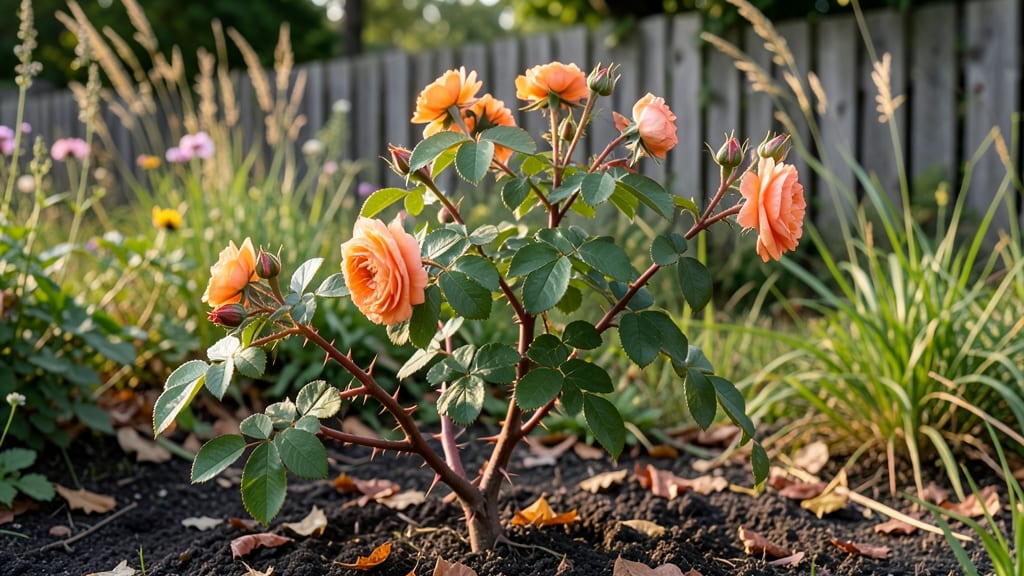
Growing an orange wild rose like Rosa rugosa 'Hansa' feels like inviting sunshine into your garden. 🌿 The vibrant blooms and fragrant petals transform any space into a summer retreat, but their care goes beyond just planting and watering—it’s about understanding their natural rhythm.
These roses thrive in full sun to partial shade and well-draining soil, but they’re surprisingly adaptable to coastal winds and poor soil. The key is mimicking their native wild conditions: minimal fuss, maximum resilience. Once established, they’ll spread gracefully, creating a fragrant hedge or climbing structure that lasts for decades.
You’ll love the year-round interest: bright orange blooms in summer, fiery fall hips, and even winter structure. The scent alone—like a cross between apricot and honey—makes it worth growing. Pruning in late winter keeps them compact and flowering prolifically. Perfect for coastal gardens, privacy screens, or even container growing.
Here’s how to make yours flourish.
📚 In This Guide
- What you need
- Instructions
- Tips and common mistakes
- Wrapping up and next steps
What you need
- ● Orange wild rose plants: 1–3 bare-root or container-grown saplings (choose disease-resistant varieties like Rosa rugosa 'Blanc Double de Coubert' or Rosa gallica 'Officinalis' for vibrant orange blooms).
- ● Well-draining soil: Mix 60% native soil with 30% compost and 10% perlite or sand (pH 6.0–7.0).
- ● Organic mulch: 2–3 inches of wood chips or straw to retain moisture and suppress weeds.
- ● Balanced fertilizer: 10-10-10 or organic options like fish emulsion (apply in early spring).
- ● Pruning shears: Sharp, sterilized shears (for shaping and deadheading).
- ● Support structure: A trellis, arbor, or fence (6–8 feet tall for climbing varieties).
- ● Garden gloves: Heavy-duty to protect from thorns.
- ● Watering can or hose: With a gentle spray nozzle for delicate blooms.
- ● Pest control: Neem oil or insecticidal soap (for aphids or spider mites).
- ● Rose food: Slow-release granules for extra nutrients during blooming season.
- ○ Decorative stakes: For training young canes (optional but helpful for aesthetics).
Instructions for cultivating a thriving orange wild rose
Here’s how to coax this vibrant climber into full, fragrant bloom—season after season.
🌱 Step 1: Select the Perfect Planting Site
Orange wild roses (Rosa rugosa or Rosa x 'Orangeade') thrive in full sun—at least 6-8 hours daily—but tolerate partial shade in hot climates. Choose a spot with well-draining soil and 6 feet of vertical space for climbing. I always test drainage by digging a hole, filling it with water, and checking if it drains within 30 minutes. Slow drainage leads to root rot, and these roses hate soggy feet.
If your soil is heavy clay, amend it with 3-4 inches of compost mixed into the top 12 inches of soil. The roots need room to spread—wild roses develop wide, deep root systems. Avoid low-lying areas where cold air settles in winter, as this can damage tender canes.
☀️ Step 2: Plant at the Right Time and Depth
Plant bare-root roses in early spring (after the last frost) or container-grown roses in early fall for best establishment. Dig a hole twice as wide as the root ball but no deeper—2-3 inches below soil level is ideal. This ensures the graft union (if present) stays 1-2 inches above ground, protecting it from moisture.
Loosen the roots gently if they’re circling and spread them outward. Backfill with native soil mixed with compost, tamping lightly to remove air pockets. Water deeply to settle the soil, then add 2-3 inches of mulch (wood chips or straw) to retain moisture and suppress weeds. Keep the mulch 6 inches away from the stem to prevent rot.
💧 Step 3: Water Deeply and Establish a Routine
Water once a week for the first month, soaking the soil to 12 inches deep. After that, water every 10-14 days, adjusting for rain—wild roses are drought-tolerant once established but need deep, infrequent watering to encourage strong roots. You’ll know it’s right when the top 2 inches of soil feel dry to the touch.
Fertilize lightly in spring with balanced 10-10-10 (½ cup per plant) to support blooms. Avoid high-nitrogen fertilizers—they promote leafy growth at the expense of flowers. Prune spent blooms in summer to encourage more flowers, but never cut into old wood—wild roses bloom on last year’s growth.
✂️ Step 4: Prune for Health and Abundant Blooms
Prune late winter or early spring before new growth begins. Remove dead, crossing, or weak canes at the base, then cut back remaining canes by ⅓ to encourage bushiness. Make cuts just above an outward-facing bud at a 45-degree angle to prevent water pooling. Avoid heavy pruning—wild roses bloom on old wood, so you’re shaping, not rejuvenating.
In summer, deadhead faded blooms by cutting back to the first healthy leaf below the flower. This redirects energy to new growth and keeps the plant tidy. Watch for black spots or powdery mildew—common fungal issues. If you spot them, remove affected leaves and spray with neem oil for prevention.
⏰ Step 5: Winterize for Cold Hardiness
Orange wild roses are hardy to USDA Zone 3, but young plants benefit from winter protection. In Zone 4-5, mound 4-6 inches of mulch around the base after the first hard frost. For container-grown roses, wrap the pot in burlap and move it to a sheltered spot. Prune lightly in late winter to remove dead or damaged canes, but leave the rest—they’ll bloom better with last year’s structure.
Here’s the thing—wild roses reward patience. The first year focuses on root establishment, the second on cane growth, and the third on full, fragrant blooms. Once established, they’re nearly maintenance-free, thriving with minimal intervention. Just remember: sun, space, and deep water are their only real demands.
Tips & tricks for cultivating a thriving orange wild rose
These insider tricks will help you nurture a vibrant, fragrant orange wild rose that rewards your efforts with stunning blooms year after year.
Soil Preparation Secret: When amending heavy clay soil in Step 1, mix in 3-4 inches of compost not just into the top 12 inches, but extend this treatment to 18 inches deep for the first planting season. This creates an ideal root zone that encourages deeper root penetration, which is crucial for these vigorous climbers. The roots will thank you by developing stronger anchors that support abundant blooms.
Planting Depth Insight: In Step 2, pay special attention to the 2-3 inches below soil level guideline. If your rose has a graft union (visible bump on the cane), position it 1-2 inches above ground—this prevents moisture from rotting the graft. For bare-root roses, gently spread the roots outward rather than folding them up, as this encourages wider root spread and better establishment.
Watering Wisdom: The 10-14 day watering schedule in Step 3 works beautifully, but there's a trick to perfecting it: use a soil moisture meter to check the 2 inches deep mark. If it's dry, water deeply; if it's still moist, wait another day. This prevents both overwatering (which causes root rot) and underwatering (which stresses the plant). Consistency is key for these drought-tolerant beauties.
Pruning Precision: When pruning in Step 4, remember that wild roses bloom on old wood, so your cuts should always target just above an outward-facing bud. This simple technique ensures new growth emerges in the direction you want, creating a more open, airy plant structure. For summer deadheading, make your cuts at a 45-degree angle to prevent water from pooling on the cut surface, which can lead to disease.
Pro Tips for Orange Wild Rose
- These insider tricks will help you nurture a vibrant, fragrant orange wild rose that rewards your efforts with stunning blooms year after year.
- Soil Preparation Secret: When amending heavy clay soil in Step 1, mix in 3-4 inches of compost not just into the top 12 inches, but extend this treatment to 18 inches deep for the first planting season.
- Planting Depth Insight: In Step 2, pay special attention to the 2-3 inches below soil level guideline.
Frequently asked questions
When is the best time to plant an orange wild rose?
The ideal window is early spring or fall when temperatures are mild. This gives roots time to establish before extreme heat or cold. Avoid planting in summer—orange wild roses hate drought stress! Choose a day with overcast skies or plant in the late afternoon to reduce transplant shock.
How do I prune an orange wild rose without harming it?
Prune in late winter or early spring (before new growth starts). Cut back dead, diseased, or crossing branches to the nearest healthy bud. Avoid heavy pruning—these roses bloom on old wood, so limit cuts to 20-30% of the plant per year. Use clean, sharp shears and sterilize with rubbing alcohol to prevent disease.
What pests or diseases should I watch for with orange wild roses?
Orange wild roses are generally hardy, but keep an eye out for:
- Aphids: Tiny green/black bugs clustering on new shoots. Blast off with water or use insecticidal soap.
- Black spot fungus: Dark spots on leaves? Prune infected foliage and apply neem oil or fungicide.
- Rose slugs: Gray, jelly-like pests that defoliate plants. Handpick at night or use diatomaceous earth.
Can I grow orange wild roses in containers? How?
Yes! Pick a large container (at least 15 gallons) with drainage holes. Use a mix of potting soil, compost, and perlite. Place in full sun to partial shade and water deeply when the top inch of soil is dry. Repot every 2-3 years to refresh nutrients. Pro tip: Add mycorrhizal fungi to the soil to boost root health!
Why aren’t my orange wild roses blooming?
Common culprits:
- Insufficient sunlight: Needs 6+ hours of sun daily.
- Over-fertilizing: Too much nitrogen = leafy growth, fewer flowers. Use a balanced rose fertilizer (10-10-10) sparingly.
- Stress: Check for pests, poor drainage, or root-bound conditions.
- Age: Young roses may take 2-3 years to bloom.
Wrapping up and next steps
The orange wild rose isn’t just a stunning addition to your garden—it’s a fragrant, resilient climber that rewards patience with breathtaking blooms and lush foliage year after year. By choosing the right spot, providing consistent care, and troubleshooting early, you’ll unlock its full potential.
Whether you’re a seasoned gardener or a curious beginner, your orange wild rose is waiting to thrive—so roll up your sleeves and get planting!
🌱 Next step: Mark your calendar for spring (or your local planting season) and start gathering supplies. Ready to watch your garden transform? Share your progress or tag us—we’d love to see your orange wild rose journey!