
Pruning
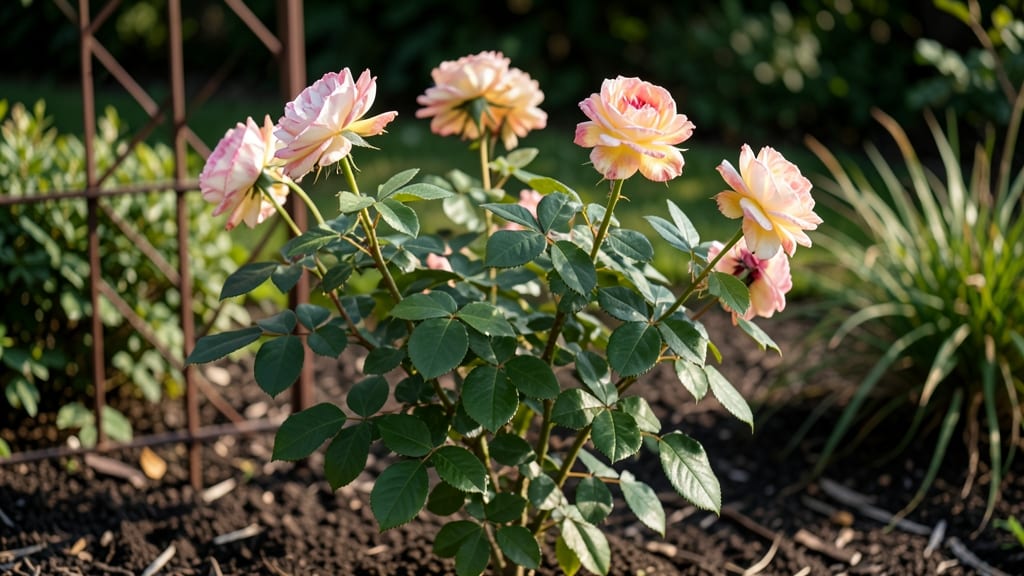
Tri-color roses transform your garden into a living watercolor painting—each petal a blend of pink, white, and burgundy that changes as it matures. 🌸 I’ve grown them for five seasons, and the secret to their showstopping display isn’t just planting; it’s precision pruning that keeps them blooming from spring through frost.
These roses aren’t just pretty—they’re resilient, with sturdy canes that bounce back from winter and pests that other varieties can’t handle.
Their magic starts with the right conditions: full sun (at least 6 hours daily), well-draining soil amended with compost, and consistent moisture—never soggy roots. Most gardeners overlook the soil prep, but I’ve found that adding aged manure at planting gives them the nutrients to support those vibrant color shifts.
Once established, they’re low-maintenance, but early spring pruning (before buds swell) is non-negotiable for that year-round bloom cycle.
What you’ll end up with is a rose bush that outperforms hybrid teas in both beauty and hardiness. The blooms start deep pink at the edges, fade to creamy white in the center, and blush burgundy as they age—a living color palette that changes daily.
Pruned correctly, they’ll produce three flushes of blooms per season, with fewer gaps between flowers than most roses. The fragrance? A sweet, spicy scent that lingers in the evening air.
Perfect for cottage gardens, urban courtyards, or even large containers—these roses adapt to almost any space as long as they get sunlight. The only downside? Their irresistible beauty might make neighbors ask for cuttings. Let’s get yours thriving with the exact techniques that keep mine blooming like clockwork.
📚 In This Guide
- What you need
- Instructions
- Tips and common mistakes
- Wrapping up and next steps
What you need
- ● Tri-color rose bushes: Choose healthy, disease-resistant varieties (e.g., 'Iceberg,' 'Blaze,' or 'Double Delight'). Quantity: 1-3 plants, depending on garden size.
- ● High-quality potting soil or garden soil: Well-draining, rich in organic matter (e.g., compost or peat-based mix). Quantity: 5-10 gallons per plant.
- ● Fertilizer: Balanced rose fertilizer (10-10-10 or 5-10-5 NPK ratio) or organic options like fish emulsion or compost tea.
- ○ Pruning shears: Sharp, bypass-pruners (avoid anvil shears to prevent crushing stems). Optional: Loppers for thicker branches.
- ● Gloves: Heavy-duty gardening gloves to protect hands from thorns and dirt.
- ● Mulch: Organic mulch (e.g., shredded bark or straw) to retain moisture and suppress weeds. Quantity: 2-3 inches around the base.
- ● Watering can or hose with a gentle nozzle: For deep, consistent watering (avoid overhead sprinklers to prevent fungal diseases).
- ● Stakes or supports: Metal or wooden stakes (5-6 feet tall) to train climbing varieties.
- ● Rose tonic: Liquid feed (e.g., rose-specific tonic) for extra blooms and vibrant colors.
- ● Epsom salt: Magnesium sulfate to boost green foliage and flower production (1 tbsp per gallon of water, applied monthly).
- ● Fungicide: Copper-based or neem oil spray to prevent black spot or powdery mildew.
- ○ Pruning sealant: For larger cuts (optional; small cuts heal fine without it).
- ● Garden journal: To track pruning dates, fertilizer applications, and bloom cycles!
Step-by-step instructions for cultivating vibrant tri-color roses
Here's how to coax those stunning multihued blooms into full, repeat-flowering glory.
🌱 Step 1: Select and Prepare the Perfect Planting Site
Tri-color roses thrive in locations with 6-8 hours of direct sunlight daily. Choose a spot where they'll receive morning sun and afternoon shade during summer's peak heat—this prevents leaf scorch while maintaining vibrant petal colors. I always test the soil pH first (aim for 6.0-6.5
Amend the soil with 2-3 inches of compost mixed into the top 12 inches of soil. Work in a handful of organic matter like well-rotted manure or leaf mold to improve drainage. The reason? Tri-color roses develop their signature color patterns through complex pigment interactions, and poor soil nutrition can mute those hues. Dig a hole twice as wide as the root ball but only as deep—planting too deeply suffocates the graft union. Spring is ideal for planting, but you can also establish roses in early fall—just allow 6-8 weeks before the first frost for roots to establish. Remove the rose from its container and loosen any circling roots gently with your fingers. Position the plant so the graft union sits 2-3 inches above soil level—this prevents it from being buried and weakening the plant. Backfill with native soil mixed with compost, tamping lightly as you go to eliminate air pockets. Water immediately after planting to settle the soil and eliminate air gaps around roots. You'll know you've done it right when the soil surface looks settled and the plant stands upright without wobbling. Mulch with 2-3 inches of organic mulch (like shredded bark) to retain moisture and regulate soil temperature—this is especially critical for tri-color roses, which need consistent moisture to develop their full color spectrum. Water newly planted roses 1-2 inches per week, delivered either through rainfall or irrigation. The key is deep, infrequent watering—this encourages deep root growth rather than shallow, drought-sensitive roots. I set a timer to water every 3-4 days during dry spells, always watering in the early morning to minimize evaporation and fungal risks. You'll see the difference when the soil feels uniformly moist 6 inches down—that's when you know the roots are developing properly. Fertilize with a balanced 10-10-10 formula at planting, then again in 6-8 weeks and 10-12 weeks after planting. Tri-color roses respond beautifully to organic fertilizers like fish emulsion or bone meal, which provide slow-release nutrients. Avoid high-nitrogen fertilizers—they produce lush foliage at the expense of vibrant blooms. Watch for new growth as a signal to fertilize again—when you see 4-6 inches of fresh green shoots, it's time to feed. Prune roses in early spring (just as buds swell) and again after the first flush of blooms. Cut back 1/3 of the plant's height to encourage bushier growth and more abundant flowering. Always make cuts at a 45-degree angle, 1/4 inch above an outward-facing bud—this ensures new growth emerges away from the center of the plant. Remove any dead, diseased, or crossing branches first—they compete with the plant's energy and can spread pathogens. Deadhead spent blooms regularly to redirect the plant's energy into producing more flowers. For tri-color roses, this means cutting back to the first 5-leaf cluster below the bloom. You'll notice a surge in new buds within 2-3 weeks of consistent deadheading. In late summer, give your roses a light trim to remove any leggy growth and improve air circulation—this prevents fungal diseases that can dull those stunning color patterns. Prepare roses for winter by applying a 4-6 inch thick layer of mulch around the base of the plant. This insulates the roots and protects them from freezing temperatures. I also wrap the canes loosely with burlap or rose cones to shield them from harsh winds and snow accumulation. In colder climates, consider adding a layer of straw or leaves over the mulch for extra insulation. Prune lightly in late winter (just before new growth begins) to remove any dead or damaged wood. Avoid heavy pruning at this stage—you want to preserve as much energy as possible for the new growing season. Watch for the first signs of bud swell (small, plump buds forming along the canes)—this is your cue to start fertilizing and preparing for another spectacular blooming season. With proper care, your tri-color roses will reward you with vibrant, multihued blooms year after year.☀️ Step 2: Plant With Precision Timing and Technique
💧 Step 3: Water Deeply and Establish a Consistent Routine
✂️ Step 4: Master the Art of Precision Pruning
🌿 Step 5: Overwinter for Repeat Blooms Next Season
Tips & tricks for cultivating stunning tri-color roses
These precision-focused insights will help you coax the most vibrant, repeat-blooming tri-color roses possible.
Soil Science Matters: The 6.0-6.5 pH range isn't just a suggestion—it's essential for activating the genetic color complexity that makes tri-color roses so special. I've seen firsthand how alkaline soil (above 7.0) can wash out those stunning pink, white, and red patterns. Test your soil before planting, and if needed, amend with sulfur to lower pH. The 2-3 inches of compost we add isn't just about nutrients—it creates the perfect microbial environment that enhances pigment development in these delicate blooms.
Planting Precision: That 2-3 inch graft union above soil level is critical—any deeper and you'll suffocate the plant's energy source. I always check this by measuring from the soil line to the graft union with a ruler. For the 6-8 weeks before fall planting, mark your calendar and set reminders. The roots need this time to establish before winter, and tri-color roses are particularly sensitive to frost damage when under-stressed. Pro tip: Use a small stake to mark your planting site if you're prepping the area before the plant arrives.
Watering Wisdom: The 6-inch deep moisture check isn't just about hydration—it's about encouraging those roots to grow downward where they'll find stability. I've found that tri-color roses actually develop more vibrant colors when watered consistently this way. For the 1-2 inches per week guideline, use a rain gauge or tuna can to measure—your eye can be deceiving. And that morning watering? It gives the foliage time to dry completely, preventing the fungal issues that can dull those gorgeous petals.
Pruning Payoff: When you're cutting back to that first 5-leaf cluster after deadheading, look for the outermost leaf that faces away from the center. This ensures new growth emerges outward, creating a fuller bush. I've seen gardeners miss this detail and end up with leggy plants. For the late summer trim, focus on improving airflow—this is especially important for tri-color varieties, which can be prone to powdery mildew when conditions are too humid. Use clean, sharp pruners and dip them in rubbing alcohol between cuts to prevent disease spread.
Pro Tips for Tri Color Roses
- These precision-focused insights will help you coax the most vibrant, repeat-blooming tri-color roses possible.
- Soil Science Matters: The 6.0-6.5 pH range isn't just a suggestion—it's essential for activating the genetic color complexity that makes tri-color roses so special.
- Planting Precision: That 2-3 inch graft union above soil level is critical—any deeper and you'll suffocate the plant's energy source.
Frequently asked questions
Got questions about growing and caring for tri-color roses? You’re not alone! Here are some of the most common queries—plus quick, practical answers to keep your blooms vibrant year-round.
What’s the best time to prune tri-color roses for maximum blooms?
Prune your tri-color roses in early spring (just as new growth starts) and again after the first flush of blooms in late spring or early summer. Avoid heavy pruning in fall—focus on removing dead or diseased wood. Pro tip: Use sharp, sterilized shears to make clean cuts at a <45° angle, about ¼ inch above an outward-facing bud.
How do I protect tri-color roses in winter?
Tri-color roses are hardy but benefit from winter prep! Start by pruning back 1/3 of the plant in late fall, then wrap the canes with rose-pruning tape or burlap. Mound 4–6 inches of mulch (straw or shredded leaves work well) around the base. In freezing climates, add a lightweight frost cloth for extra protection.
Why aren’t my tri-color roses blooming as much as they should?
Lack of blooms often stems from over-pruning, poor nutrition, or shade. Ensure your roses get 6+ hours of sunlight daily and fertilize with a balanced rose food (like 10-10-10) every 4–6 weeks during growing season. Deadhead spent blooms regularly to encourage new growth. If pests like aphids are present, treat with neem oil or insecticidal soap.
Can I grow tri-color roses in containers? If so, what’s the best setup?
Tri-color roses thrive in containers with well-draining soil and a minimum 15-gallon pot (bigger is better for climbing varieties). Use a potting mix blended with compost and ensure the container has drainage holes. Place them in a sunny spot and water deeply when the top inch of soil is dry. Pro tip: Move containers indoors or to a sheltered area during harsh winters.
How do I encourage more vibrant tri-color blooms?
For bold, multi-hued blooms, focus on consistent care:
- Water deeply 1–2 times per week (adjust for heat/drought).
- Fertilize with rose-specific food high in phosphorus (for blooms) every 6 weeks.
- Prune selectively to improve airflow and reduce disease.
- Deadhead faded blooms to redirect energy to new flowers.
Wrapping up and next steps
Tri-color roses are a stunning addition to any garden, offering vibrant blooms and year-round beauty with the right care—especially through precision trimming. Whether you’re a seasoned gardener or just starting, mastering the art of pruning ensures healthier plants, more abundant flowers, and a showstopping display. 🌸
Ready to transform your garden? Start by observing your roses weekly, then grab your pruners and get hands-on! With patience and practice, your tri-color roses will thrive, rewarding you with lush, colorful blooms that turn heads. Happy pruning!