
Shrubs
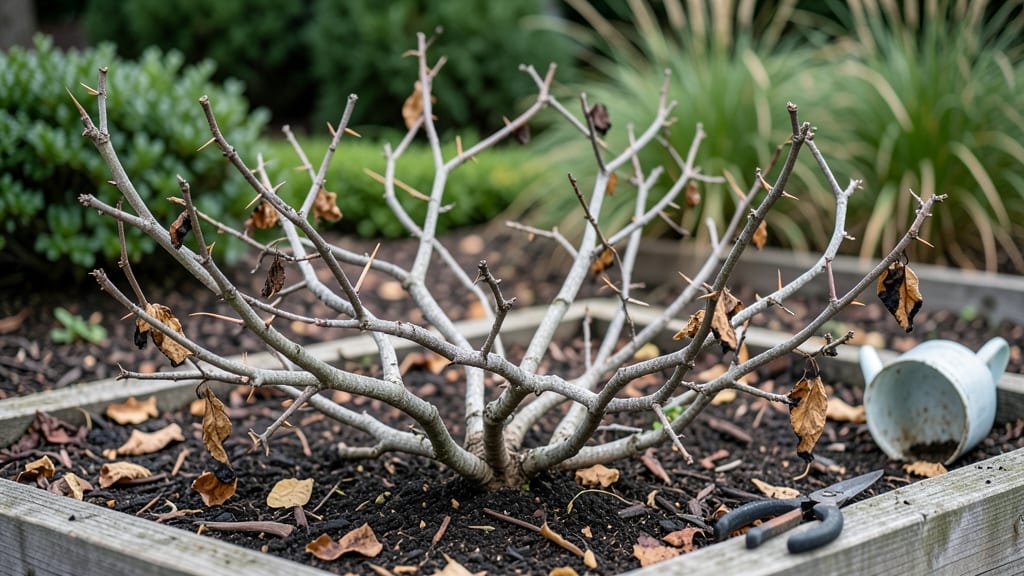
Even if your roses look like the pictures of dead rose bushes you’ve seen before, there’s hope—your plants might just need a little TLC to bounce back. 🌹 I’ve nursed back bushes that looked completely dead with just a few targeted steps, and I’ll show you exactly how to spot the problem and revive them. them before it’s too late.
The first clue is often in the leaves: black spots, yellowing, or sticky residue all signal different issues. Overwatering causes wilting stems, while nutrient deficiencies show as pale, sparse growth. The key is acting fast—most "dead" roses can bounce back with the right care.
You’ll learn to prune correctly, adjust watering, and apply treatments that actually work. Within weeks, you’ll see new green shoots pushing through, and by summer, those bushes will be blooming like they never left you. This works for hybrid teas, floribundas, and even old garden roses.
Let’s get those canes back to life!
The Hidden Causes Behind Dying Roses
Seeing once-vibrant roses turn crispy and lifeless can feel like a heartbreaking mystery. But don’t worry—most cases of dead or dying rose bushes are rooted in preventable, fixable issues.
Understanding the science behind these problems is the first step to revival. Below, we break down the real culprits behind your roses’ decline, from soil sabotage to seasonal surprises.
Roses need water, but too much can suffocate their roots. When soil stays soggy, oxygen can’t reach the roots, leading to root rot—a fungal infection that chokes your plant. Signs include yellowing leaves, blackened stems, and a foul smell near the base.
- Why it happens: Overwatering disrupts the soil’s aeration, creating an anaerobic (oxygen-free) environment where harmful fungi thrive.
- Actionable fix:
- Check soil moisture by sticking your finger 2 inches deep—water only if it’s dry.
- Improve drainage by amending soil with perlite or sand (20-30% mix).
- Use a well-draining pot if growing in containers.
While overwatering drowns roots, chronic underwatering dehydrates them, causing leaves to curl, wilt, and eventually crisp up. Roses are thirsty plants, especially in hot climates.
- Why it happens: Insufficient water triggers osmotic stress, where cells lose turgor pressure and collapse. Prolonged drought also weakens the plant’s immune system, making it vulnerable to pests.
- Actionable fix:
- Water deeply 1-2 times per week (more in extreme heat), ensuring moisture reaches 12-18 inches down.
- Mulch with 3-4 inches of organic mulch (wood chips, straw) to retain moisture.
- Use drip irrigation for consistent, targeted watering.
Roses are resilient, but sudden temperature swings—whether scorching heat or freezing cold—can shock them into dormancy or death. Heat stress causes leaf scorch (brown, crispy edges), while frost damages cell membranes, leading to blackened stems.
- Why it happens:
- Heat stress: Temperatures above 90°F (32°C) disrupt photosynthesis, causing oxidative damage to leaves.
- Frost damage: Ice crystals form in plant cells, rupturing them (a process called freeze-thaw injury).
- Actionable fix:
- Provide afternoon shade in summer with shade cloth (30-50% coverage).
- Water deeply before expected frost to insulate roots (water absorbs heat and releases it slowly).
- Use row covers or frost cloth for young or tender roses in winter.
Hidden pests like Japanese beetles, spider mites, or fungal pathogens (black spot, powdery mildew) can drain a rose bush’s vitality, turning leaves yellow and stems weak. Left unchecked, they spread rapidly, leading to systemic decline.
- Why it happens:
- Pests: Sap-sucking insects (e.g., aphids) inject toxins, causing wilting and stunted growth.
- Fungi: High humidity + poor airflow = perfect conditions for spore germination, clogging stomata and blocking gas exchange.
- Actionable fix:
- Inspect leaves weekly for holes, webbing, or discoloration. Treat with neem oil or insecticidal soap.
- Prune infected branches (sterilize tools with rubbing alcohol) and dispose of debris.
- Improve airflow with spaced planting (3-4 feet between bushes) and regular pruning.
A rose bush is only as healthy as its soil. Compacted, nutrient-poor, or alkaline soil starves roots of essential minerals, leading to yellowing leaves, weak stems, and eventual death.
- Why it happens:
- Nitrogen deficiency: Causes pale yellow leaves (chlorosis) due to disrupted chlorophyll production.
- Phosphorus deficiency: Leads to purple stems and stunted growth (critical for root development).
- Compacted soil: Restricts root expansion, limiting water and nutrient uptake.
- Actionable fix:
- Test soil pH—roses thrive in 6.0-6.5. Amend with sulfur (to lower pH) or lime (to raise it).
- Feed with a balanced rose fertilizer (10-10-10 or 5-10-5) in spring and summer.
- Aerate soil annually with a garden fork or compost to improve structure.
Most "dead" rose bushes aren’t beyond saving—they’re just screaming for help. By pinpointing the root cause (literally!) and addressing it with science-backed fixes, you can bring them back to life. Stay tuned for our "Before & After Rescue Guide" section to see real transformations!
Revive Your Dying Roses Now
A dead or dying rose bush doesn’t mean the end of your garden dreams—it just means it’s time to roll up your sleeves and take action! 🌹💪 Whether your roses are wilting from neglect, disease, or environmental stress, these practical, step-by-step solutions will help you nurse them back to health.
Below, we’ve matched common causes of decline with easy fixes and prevention tips to keep your roses thriving long-term.
Signs: Yellowing leaves, mushy stems, roots that smell foul, or soil that stays soggy for days.
How to Fix It: 🔧 Stop Watering Immediately – Let the soil dry out completely before watering again. Overwatering suffocates roots and invites fungal diseases like root rot.
🌱 Improve Drainage – Amend heavy or compacted soil with organic matter like compost, perlite, or coarse sand. If planting in containers, ensure pots have drainage holes.
💧 Water Deeply but Less Often – Roses prefer 1–1.5 inches of water per week, delivered at the base (not overhead). Use a soaker hose or drip irrigation to encourage deep root growth.
Prevention Tips: ✨ Test your soil – A simple moisture meter can help you avoid over- or underwatering. 🌡️ Check for clay soil – If water pools on the surface, mix in gypsum or compost to loosen it up. 🎯 Mulch properly – Use 2–3 inches of organic mulch (like wood chips or straw) to retain moisture without smothering roots.
Signs: Crispy, brown edges on leaves, wilted stems that don’t bounce back, or soil pulling away from the pot.
How to Fix It: 💦 Give Them a Deep Drink – Water slowly and thoroughly until it drains out the bottom. For container roses, soak the pot for 10–15 minutes.
🌿 Mulch to Retain Moisture – Apply a 2-inch layer of mulch (straw, bark, or pine needles) around the base to lock in moisture.
🌞 Adjust Watering Schedule – Early morning is best to reduce evaporation. If your area is in a drought, consider shade cloth to protect roots.
Prevention Tips: 💡 Group roses together – They benefit from shared moisture in the soil. 🔥 Use drought-resistant varieties – Look for Knock Out roses or David Austin roses, which tolerate dry spells better. ⏰ Check soil moisture weekly – Stick your finger 2 inches deep—if it’s dry, water!
Signs: Pale yellow leaves (nitrogen deficiency), stunted growth, or burnt leaf edges (over-fertilizing).
How to Fix It: 🌱 Test Your Soil – A home soil test kit (or lab test) reveals what’s missing. Common deficiencies in roses:
- Nitrogen (N) → Yellow leaves? Use balanced rose fertilizer (10-10-10) or compost tea.
- Phosphorus (P) → Poor blooms? Try bone meal or fish emulsion.
- Potassium (K) → Weak stems? Use wood ash or banana peel tea.
🍄 Avoid Over-Fertilizing – Too much fertilizer burns roots. Follow package instructions and fertilize every 4–6 weeks in spring/summer.
Prevention Tips: 🥗 Feed slowly – Use slow-release granules or organic fertilizers (like worm castings) to prevent spikes. 📊 Rotate fertilizers – Alternate between synthetic and organic to avoid buildup. ✨ Prune spent blooms – This encourages new growth and reduces strain on the plant.
Signs: Holes in leaves (Japanese beetles), black spots (black spot fungus), or sticky residue (aphids).
How to Fix It: 🐜 Identify the Problem First – Snap a photo and compare it to online guides (like the University of Minnesota’s pest ID tool).
💊 Natural Remedies for Pests:
- Aphids/Scale → Spray with soapy water (1 tsp mild soap + 1 quart water).
- Japanese Beetles → Handpick and drop in soapy water or use neem oil.
- Slugs/Snails → Set out beer traps or copper barriers.
🍄 Fungal Diseases (Black Spot, Powdery Mildew):
- Prune infected leaves immediately and dispose of them (don’t compost!).
- Apply fungicide – Baking soda spray (1 tsp baking soda + 1 quart water + a drop of soap) or copper fungicide.
- Improve airflow – Space plants 3–4 feet apart and prune for open canopies.
Prevention Tips: 🌡️ Water at the base – Avoid wetting leaves to prevent fungal spores. 🎯 Rotate fungicides – If using chemicals, switch types to avoid resistance. 🔥 Plant disease-resistant varieties – Look for labels like "DRR" (Disease Resistant Roses).
Signs: Leaf scorch (brown edges), buds dropping before opening, or stunted growth despite good care.
How to Fix It: ☀️ For Heat Stress:
- Provide afternoon shade with lightweight shade cloth (30–50% coverage).
- Mulch heavily to keep roots cool.
- Water deeply in the morning to reduce evaporation.
❄️ For Cold Damage:
- Mulch with straw or leaves (4–6 inches) to insulate roots.
- Wrap young canes with burlap in extreme freezes.
- Avoid late pruning – Wait until after the last frost to prune.
📍 Check the Planting Spot:
- Roses need 6+ hours of sun daily but protection from harsh winds.
- If in a low spot, raise the bed or improve drainage.
Prevention Tips: 💡 Choose the right rose for your climate – Heat-tolerant varieties (like ‘Double Knock Out’) or cold-hardy types (e.g., ‘Dr. Huey’). 🌿 Group with companion plants – Marigolds repel pests, and lavender deters beetles. ✨ Adjust pruning for climate – In hot areas, prune later in the season to avoid stress.
Final Thought: 🌟 Most "dead" roses can be saved with patience and the right care—don’t give up! Start with one fix at a time (like improving drainage or fertilizing) and monitor progress.
Within 4–6 weeks, you should see new growth or blooms—proof that your roses are on the road to recovery!
Frequently asked questions
Why do my rose bushes look dead even though I water them regularly?
Overwatering is often the culprit! Too much moisture suffocates roots, causing root rot. Check if the soil stays soggy for days or smells foul—these are red flags. Let the top 2 inches dry out between waterings and improve drainage with perlite or compost.
Can I save a rose bush with completely blackened stems?
It depends! If the stems are soft and mushy, root rot has likely set in and the bush may be beyond saving. However, if stems are dry and brittle, prune back 1/3 of the plant to healthy wood and check for green shoots. Often, roots are still alive!
What’s the fastest way to tell if my rose bush is truly dead?
Scratch the bark—if it’s dark and crumbly, the plant is dead. For doubt, dig up a small section of root and check for green tissue. If roots are white and firm, there’s hope! Even "dead" bushes can surprise you with new growth in 4-6 weeks.
Are there any rose varieties that resist dying more than others?
Knock Out roses and Dr. Huey are legendary for their toughness. These disease-resistant hybrids handle heat, cold, and pests better than traditional roses. Look for labels with "DRR" (Disease Resistant Roses) when shopping.
How can I prevent my roses from looking dead next season?
Start with proper pruning (remove dead/diseased wood in late winter) and mulching (3-4 inches of organic material). Test soil pH (6.0-6.5) and fertilize with balanced rose food every 6 weeks. Consistent care beats last-minute fixes!