
Pruning
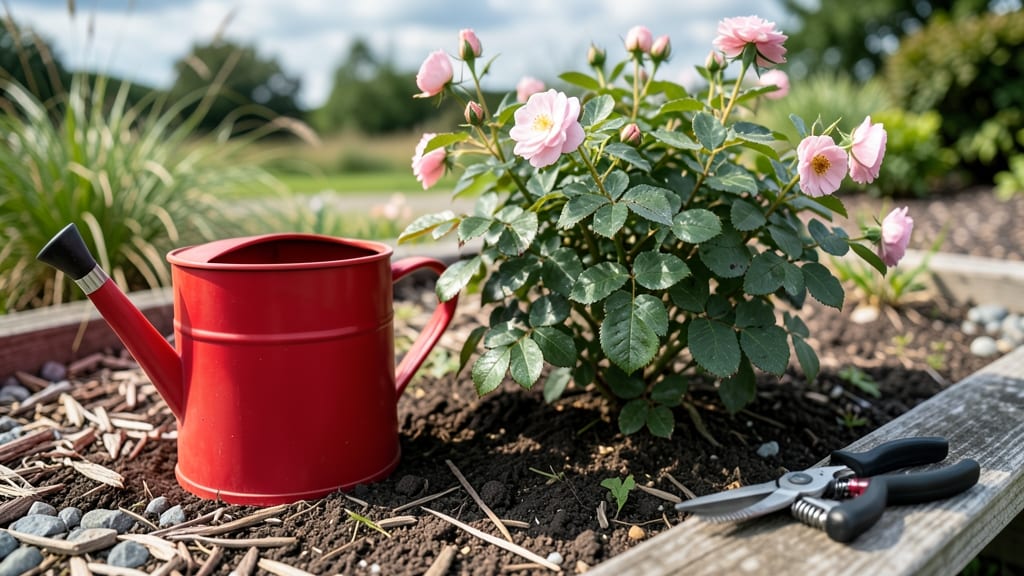
Blackened canes and wilted blooms on your Knockout roses? 🌿 I’ve seen this exact problem ruin what should be the easiest rose to grow—and the fixes are simpler than you think.
Most issues boil down to three culprits: fungal diseases, pests, or basic care mistakes that sneak up when you’re not looking. The good news? These roses are tougher than they look. A single 30-second inspection of the leaves and stems can spot the problem before it spreads.
Blackened canes often mean fungal rot or beetle damage, while wilted blooms usually signal overwatering or aphid stress. I’ll walk you through the five most common fixes, ranked by how fast they work.
Once you tackle the root cause, your Knockout roses will bounce back with vibrant green foliage and nonstop blooms. The key is acting early—before the disease or pests get a foothold. Let’s get those canes healthy again.
First, rule out the obvious: watering habits. Knockouts hate soggy roots, yet many gardeners drown them thinking they need constant moisture. Let the top 2 inches of soil dry out between waterings, and always check drainage—poor drainage is the #1 reason for blackened canes.
If your soil stays muddy, mix in compost or switch to a raised bed. Next, inspect for pests like aphids or Japanese beetles. These critters suck the life out of leaves, causing wilting and stunted growth.
A strong spray of soapy water (1 tsp mild dish soap per quart of water) usually does the trick. For fungal issues like black spot, prune infected stems below the damage and apply neem oil every 7–10 days until new growth appears.
Don’t overlook the pruning schedule—this is where most gardeners go wrong. Knockout roses bloom on new wood, so prune in early spring (before buds swell) or after blooming. Cut back 1/3 of the oldest canes each year to encourage fresh growth.
If you see blackened tips, snip them off immediately—this stops the spread of disease before it takes over. The payoff? A bush that looks nearly indestructible all season long.
With these fixes, your Knockouts will reward you with bold red blooms from spring to frost—and you’ll never second-guess their reputation as the easiest rose to grow.
Root Causes of Rose Struggles
Knockout roses are known for their hardiness and low-maintenance appeal, but even these tough plants can face issues like blackened canes, wilted blooms, or stunted growth. Understanding the why behind these problems is the first step to fixing them.
Let’s break down the science and environmental factors that turn your lush roses into struggling survivors.
Knockout roses thrive in USDA Zones 4-9, but they’re not immune to temperature stress. Blackened canes often signal cold damage or heat stress:
- Freezing injury: When temperatures drop below 10°F (-12°C) for extended periods, the plant’s vascular system can rupture, leading to dark, mushy canes. Symptoms: Blackened stems, wilting despite watering, and no new growth in spring.
- Heat stress: Prolonged exposure to 90°F+ (32°C+) without adequate moisture causes oxidative stress in cells. The plant’s protective pigments break down, turning leaves yellow or brown and canes brittle.
- Sudden shifts: Rapid temperature changes (e.g., a 60°F (15°C) swing in 24 hours) disrupt the plant’s metabolic processes, weakening its defenses against pests and diseases.
Actionable fix: Monitor your local extended forecast and use mulch (3-4 inches) to insulate roots. In winter, wrap canes with burlap or frost cloth to buffer extreme cold.
Knockout roses need consistent moisture, but waterlogged roots are a silent killer. Here’s why:
- Root suffocation: Compacted or clay-heavy soil traps water, cutting off oxygen to roots. Without oxygen, roots can’t absorb nutrients, leading to anaerobic conditions that produce toxic ethanol—which poisons the plant.
- Fungal infections: Stagnant water breeds Phytophthora and Pythium, fungi that rot roots and block water uptake. Symptoms: Yellowing leaves, wilted blooms, and a sour, rotten smell at the base.
- Nutrient leaching: Overwatering flushes out essential minerals like potassium and magnesium, which are critical for cane strength and bloom health.
Actionable fix:
- Test your soil’s drainage: Dig a 12-inch hole, fill it with water, and time how long it takes to drain. If it’s more than 6 hours, amend with compost or perlite.
- Water deeply but infrequently: Aim for 1-1.5 inches per week (including rain), and avoid wetting foliage to prevent fungal spores.
- Install drip irrigation to deliver water slowly at the root zone.
Knockout roses are disease-resistant, but not pest-proof. Here’s how hidden invaders sabotage their health:
| Pest/Disease | How It Damages Roses | Tell-Tale Signs |
|---|---|---|
| Japanese Beetles | Adults skeletonize leaves, while larvae chew roots, weakening the plant’s ability to transport water and nutrients. | Holey leaves, black, tar-like frass (poop), and wilting despite hydration. |
| Black Spot Fungus (Diplocarpon rosae) | Clogs stomata (leaf pores), reducing photosynthesis. The fungus blocks water uptake in severe cases. | Black spots with yellow halos, premature leaf drop, and stunted canes. |
| Rose Rosette Virus (RRV) | Alters plant hormones, causing excessive thorn growth and malformed blooms. The virus spreads via errant mites. | Red, twisted leaves, dark green canes with excessive thorns, and no blooms. |
| Root-Knot Nematodes | Larvae burrow into roots, forming galls that disrupt nutrient absorption. Infested plants starve slowly. | Stunted growth, yellowing leaves, and roots with knot-like lumps. |
Actionable fix:
- 🔥 Prevent beetles: Handpick adults into soapy water or use neem oil (apply at dusk).
- 🌡️ Fight fungus: Space plants for airflow and apply copper fungicide at first signs of black spot.
- 🎯 Eradicate RRV: Dig up and destroy infected plants immediately—there’s no cure.
- 💡 Nematode control: Solarize soil in summer (cover with clear plastic for 4-6 weeks) or plant marigolds nearby as a trap crop.
Knockout roses need a balanced diet, but soil imbalances often go unnoticed until it’s too late. Here’s what happens when they’re starving:
- Nitrogen (N) deficiency: Leads to pale, yellow leaves (chlorosis) and stunted growth. The plant prioritizes root development over blooms.
- Potassium (K) deficiency: Causes weak canes that snap easily and poor disease resistance. Leaves may develop brown edges.
- Magnesium (Mg) deficiency: Shows as interveinal yellowing (veins stay green) and wilting even when soil is moist.
- Over-fertilization (especially nitrogen): Burns roots, leading to leaf scorch and blackened tips.
Actionable fix:
- 📊 Test your soil (use a DIY kit or lab test) to identify deficiencies.
- 💪 Feed smart: Use a balanced rose fertilizer (10-10-10 or 5-10-5) in early spring and mid-summer. Avoid high-nitrogen
Quick Fixes for Knockout Roses
Reviving your knockout roses doesn’t have to be a mystery—with the right steps, you can nurse them back to health and prevent future setbacks. Below, we’ve mapped out practical, step-by-step solutions for the most common issues, from blackened canes to wilted blooms.
Each fix includes prevention tips to keep your roses thriving long-term.
Cause: Fungal diseases (like black spot), winter damage, or pests. Fix:
- 🔪 Trim the Damage
- Use sterilized pruners (wipe with rubbing alcohol) to cut 6–12 inches below the blackened or mushy cane at a 45-degree angle. This prevents water from pooling and encourages new growth.
- Remove any leaves or stems touching the soil to reduce humidity and fungal spread.
- 🌱 Apply Fungicide
- Spray with a copper-based fungicide (like Bordeaux mixture) or a neem oil solution (1 tbsp neem oil + 1 tsp mild soap per quart of water). Reapply every 7–10 days until new growth appears.
- 💡 Pro Tip:
- Test the soil first! If the cane is soft and oozes when cut, it’s likely rotten—dig deeper to remove the entire affected root section. Healthy canes should be firm and green inside.
Prevention: ✔ Space plants 3–4 feet apart for airflow. ✔ Water at the base (avoid overhead spraying). ✔ Mulch with 2–3 inches of organic mulch (like shredded bark) to deter fungal spores.
Cause: Underwatering, overwatering, heat stress, or pests (like spider mites). Fix:
- 💦 Check the Soil Moisture
- Stick your finger 2 inches into the soil. If it’s dry, deep-water the plant (1–1.5 gallons per bush) until water drains from the bottom.
- If the soil is soggy, let it dry out for a day before watering again.
- 👨🍳 Boost Hydration with Mulch
- Spread 2–3 inches of mulch (straw or pine needles work well) around the base to retain moisture and regulate soil temperature.
- 🍃 Trim Damaged Blooms
- Snip off wilting flowers (but leave buds) to redirect energy to new growth. Use clean pruners to avoid spreading disease.
Prevention: ✔ Water in the early morning (6–8 AM) to reduce evaporation. ✔ Use drip irrigation to keep foliage dry. ✔ Monitor for pests—spider mites cause wilting. Spray with soapy water (1 tsp mild soap per quart) if webs appear.
Cause: Too much nitrogen, iron deficiency, or poor drainage. Fix:
- 📊 Test Your Soil
- Grab a DIY soil test kit (or send a sample to a local extension office). Knockout roses prefer slightly acidic soil (pH 6.0–6.5).
- 💪 Feed with the Right Fertilizer - If leaves are yellow with green veins, it’s iron deficiency. Use an iron supplement (like iron chelate). - If leaves are yellow and crispy, it’s overwatering.
Reduce frequency and improve drainage by amending soil with perlite or compost.
- 🌡️ Adjust Watering
- Water only when the top 1–2 inches of soil are dry. Avoid letting plants sit in wet soil.
Prevention: ✔ Fertilize in early spring with a balanced rose fertilizer (10-10-10). ✔ Avoid heavy clay soil—amend with compost for better drainage. ✔ Prune crowded canes to improve airflow and reduce disease risk.
Cause: Weak plants attract pests like spider mites (tiny yellow webs) or aphids (sticky residue). Fix:
- 🕷️ Blast Off Pests
- Spider mites: Spray with water (forceful stream from a hose) to knock them off, then apply neem oil.
- Aphids: Wipe leaves with a soapy cloth or spray with insecticidal soap.
- 🌿 Introduce Beneficial Insects
- Release ladybugs or lacewings (available at garden centers) to eat aphids naturally.
- 🎯 Long-Term Defense
- Reflective mulch (aluminum foil or silver plastic) confuses pests.
- Plant companion flowers like marigolds to repel insects.
Prevention: ✔ Inspect plants weekly (especially undersides of leaves). ✔ Avoid over-fertilizing—weak plants attract more pests. ✔ Remove fallen leaves/debris where pests hide.
💡 Final Pro Tip: Knockout roses are drought-tolerant once established, but they hate neglect. A little regular pruning, proper watering, and fungicide checks can save your bushes from common woes. Act fast—most issues are easier to fix in early stages!
Need a visual guide? Check out our [Knockout Rose Pruning Cheat Sheet] (link placeholder) for step-by-step diagrams!
Frequently asked questions about Knockout roses
Why are my Knockout rose canes turning black and mushy?
Blackened, mushy canes usually signal root rot from overwatering or fungal infections like black spot. Check soil moisture first—if soggy, reduce watering and improve drainage with compost or perlite. For fungal issues, prune affected stems 6 inches below damage and apply copper fungicide every 7-10 days.
Can I still save Knockout roses with blackened stems?
Yes! First, cut back 1/3 of the blackened canes at a 45-degree angle using sterilized pruners. If roots are healthy (firm and white), new growth will emerge. For severe rot, dig up the plant, trim all diseased roots, and replant in fresh, well-draining soil. Mulch heavily to prevent recurrence.
What causes Knockout roses to stop blooming?
Over-pruning, poor nutrition, or pest damage often halt blooms. Check for Japanese beetles or aphids (they suck plant juices). Feed with balanced rose fertilizer (10-10-10) in spring, and prune only 1/3 of oldest canes annually. Deadhead spent blooms to encourage new flowers.
How do I tell if my Knockout rose has black spot fungus?
Look for black circular spots with yellow halos on leaves. Severe cases cause leaf drop and weak stems. Remove infected leaves immediately, space plants for airflow, and spray with neem oil (1 tbsp + 1 tsp soap per quart of water). Repeat every 10 days until new growth appears.
Are Knockout roses really low-maintenance?
They're disease-resistant but need proper care: 6-8 hours of sun, 1-1.5 inches of water weekly, and annual pruning. Their "low-maintenance" reputation comes from their toughness, not neglect—consistent care prevents most problems. Think of them as easy once established, not no-maintenance.