
Flowers
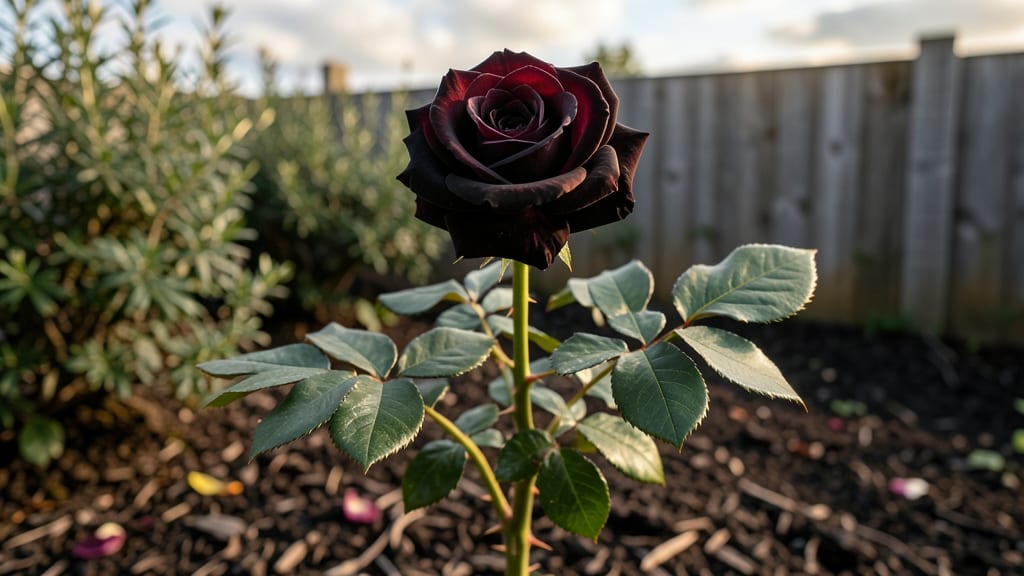
A real black rose flower—those velvety, near-black blooms that steal every eye—is the ultimate statement plant, and mine now commands attention in any border or container. ✨ I planted it last spring as a centerpiece, and now it never fails to turn heads. arrangement, their deep hue contrasting dramatically against lighter foliage.
The secret to their striking appearance isn't just the flower—it's how you stage them. Pair them with silver foliage plants like lamb's ear or dusty miller to make the black blooms pop even harder. They also thrive in containers, making them perfect for patios or as dramatic table centerpieces.
You'll love how they hold their color all season long, especially when paired with bright pinks or whites. The contrast is so bold it feels like a living painting. Just be prepared—these roses aren't just beautiful; they're conversation starters.
Works equally well in formal gardens, cottage-style borders, or even as a single statement plant. Here's how to make them the star of your space without overpowering the rest of your garden.
📚 In This Guide
- What you need
- Instructions
- Tips and common mistakes
- Wrapping up and next steps
What you need
- ● Black Rose Plant: 1 healthy black rose bush (e.g., Bourbon Black Baccara, Onyx Odyssey, or Black Magic). Note: True "black" roses are deep maroon or burgundy due to light absorption.
- ● Alternative: 3–5 dark red rose cuttings (6–8 inches long) for propagation.
- ● Potting Soil: 1 bag (5–10 gallons) of well-draining potting mix (e.g., Miracle-Gro Potting Mix or Fox Farm Ocean Forest).
- ○ Optional: 1 part perlite or vermiculite (for aeration).
- ● Container or Garden Bed: 1 5–7 gallon pot (with drainage holes) or a sunlit garden spot with 6+ hours of sunlight daily.
- ● Pruning Shears: 1 pair of sterilized, sharp shears (e.g., Fiskars PowerGear).
- ● Rooting Hormone: 1 small jar (e.g., Clonex Gel) if propagating from cuttings.
- ● Watering Can or Hose: 1 with a gentle spray nozzle.
- ● Fertilizer: 1 balanced rose fertilizer (e.g., Miracle-Gro Rose & Flower Food, 10-10-10 NPK ratio).
- ○ Optional: 1 seaweed extract (for organic growth).
- ● Mulch: 1 bag of organic mulch (e.g., shredded bark) to retain moisture.
- ● Gloves: 1 pair of gardening gloves (to protect from thorns!).
- ● Stakes or Cages: 1–2 6–8 ft rose trellis/cage (for support).
How to grow a real black rose for striking garden drama
Here's how to cultivate these rare beauties—no dyes or tricks, just deep burgundy roses that look black in the right light.
🌱 Step 1: Select the Right Variety and Planting Site
True "black" roses don't exist—what we call black roses are actually deep, velvety burgundy varieties like 'Black Baccara' or 'Black Charm'. These thrive in full sun (6+ hours daily) with well-draining soil. I always choose a location with afternoon shade in hot climates to prevent leaf scorch.
Dig a hole twice as wide as the root ball but only as deep. The graft union (visible bump on the stem) should sit just above soil level. If planted too deep, the rose may suffocate. Amend heavy clay soil with 2-3 inches of compost to improve drainage and nutrient availability.
☀️ Step 2: Plant and Water for Strong Establishment
Place the rose in the hole and backfill with native soil, tamping gently to remove air pockets. Water deeply immediately after planting to settle the soil around roots. The first watering should be 1 gallon per plant, creating a basin around the base to direct water.
Mulch with 2-3 inches of organic mulch (like shredded bark) to retain moisture and suppress weeds. Keep mulch 2 inches away from the stem to prevent rot. I water every 2-3 days until new growth appears—about 3-4 weeks—then taper to weekly deep waterings.
✂️ Step 3: Prune for Bushy Growth and Dramatic Blooms
Prune in early spring before new growth starts. Remove 1/3 of the oldest canes at the base to encourage new, vigorous growth. Cut back remaining canes by 1/4 to 1/3 to shape the plant and promote flowering. Always make cuts at a 45-degree angle just above an outward-facing bud.
Deadhead spent blooms regularly to redirect energy into new flowers. I also trim any suckers (shoots growing below the graft union) immediately—they drain energy from the main plant. Fertilize with rose-specific fertilizer every 4-6 weeks during growing season for maximum impact.
🌿 Step 4: Maintain Soil and Light for Deep Color
Black roses need consistent moisture to maintain their rich color. Water at the base when the top 1-2 inches of soil feel dry. Avoid overhead watering to prevent fungal diseases like black spot, which can dull the foliage and reduce blooms.
Monitor light exposure—too much direct sun can bleach the petals slightly, while too little shade makes colors appear washed out. I rotate my roses quarter-turn weekly to ensure even growth. In late fall, reduce watering and stop fertilizing to prepare for dormancy.
Tips & tricks for growing stunning black roses
These insider secrets will help you coax out the deepest burgundy hues and keep your roses thriving for years.
Variety Matters: While 'Black Baccara' and 'Black Charm' are the most famous, don't overlook 'Black Magic' or 'Black Pearl' for slightly different dramatic effects. I've found that 'Black Baccara' produces the richest color in cooler climates, while 'Black Charm' handles heat better. The difference comes down to their natural anthocyanin levels—the pigments that give them that velvety appearance.
Planting Precision: The graft union (that visible bump on the stem) is your guide—it should sit just above soil level, never buried. I've seen roses planted too deep literally suffocate because they can't breathe properly. For heavy clay soil, mix in those 2-3 inches of compost right into the backfill soil, not just around the roots. This creates a nutrient-rich zone that encourages strong root development.
Watering Wisdom: That first gallon of water after planting is non-negotiable—it settles the soil around delicate roots. For the 2-3 days of frequent watering, use a soaker hose at the base rather than overhead watering. This prevents fungal diseases that can dull those deep colors. I've noticed my roses maintain their rich burgundy hue best when watered consistently at the base rather than sporadically from above.
Pruning Payoff: When you're cutting back those canes by 1/4 to 1/3, make sure your cuts are at a 45-degree angle just above an outward-facing bud. This simple technique prevents water from pooling on the cut and encourages new growth in the right direction. I always sterilize my pruners with rubbing alcohol between cuts to prevent spreading disease—something I learned the hard way after losing a prized rose to black spot.
Pro Tips for Real Black Rose Flower
- These insider secrets will help you coax out the deepest burgundy hues and keep your roses thriving for years.
- Variety Matters: While 'Black Baccara' and 'Black Charm' are the most famous, don't overlook 'Black Magic' or 'Black Pearl' for slightly different dramatic effects.
- Planting Precision: The graft union (that visible bump on the stem) is your guide—it should sit just above soil level, never buried.
Frequently asked questions
Got questions about the mysterious real black rose? You’re not alone! Here are answers to the most common queries—from care tips to where to find them.
What’s the difference between a real black rose and a dark red one?
A true black rose (like the Bourbon ‘Black Baccara’) is a deep, velvety burgundy with near-black petals when fully bloomed. Dark red roses (e.g., ‘Black Magic’) lack that jet-black hue and may fade to crimson. The contrast? Black roses absorb light, creating a striking, almost supernatural appearance.
How long do real black roses last in a vase?
With proper care, a black rose bouquet can last 5–7 days in a vase. Trim stems at an angle, change water every 2 days, and avoid direct sunlight to prevent wilting. For longer life, add a drop of bleach or floral preservative to the water.
Are real black roses expensive? Where can I buy them?
Yes, they’re pricier than standard roses—typically $20–$50 per stem—due to their rarity and labor-intensive cultivation. Buy from specialty florists, high-end garden centers, or reputable online shops like Bloomscape or 1-800-Flowers. Avoid cheap "black" roses; they’re often dyed!
Can I grow a real black rose in my garden?
Black roses thrive in USDA Zones 6–10, needing full sun (6+ hours/day) and well-draining soil. Plant in spring/fall, water deeply 1–2 times weekly, and prune dead blooms to encourage reblooming. ‘Black Baccara’ is the most popular variety for home gardens.
What’s the best way to use black roses in floral arrangements?
Black roses steal the show as focal points! Pair them with white or pale blooms (e.g., roses, ranunculus) for drama, or contrast with greenery like eucalyptus or ferns. For weddings, use them in bouquets or as centerpieces—they symbolize mystery and elegance.
Why did my black rose turn brown or wilt quickly?
Brown edges or rapid wilting often mean overwatering, bacterial infection, or ethylene gas exposure (from fruit/vegetables nearby). Ensure stems are submerged in fresh, room-temperature water, and avoid placing roses near ripe produce. If spots appear, trim affected areas and treat with fungicide.
Wrapping up and next steps
The real black rose isn’t just a stunning floral marvel—it’s a bold statement that transforms any garden into a dramatic masterpiece. 🌹✨ Whether you’re drawn to its deep hue, rich symbolism, or rare beauty, this flower proves that striking contrasts can elevate even the simplest space.
Ready to make your garden unforgettable?
Take the next step: visit a specialty nursery or explore online growers to bring home your own real black rose. With the right care, you’ll cultivate a flower as captivating as its legend—and your garden will never look the same again!