
Shrubs
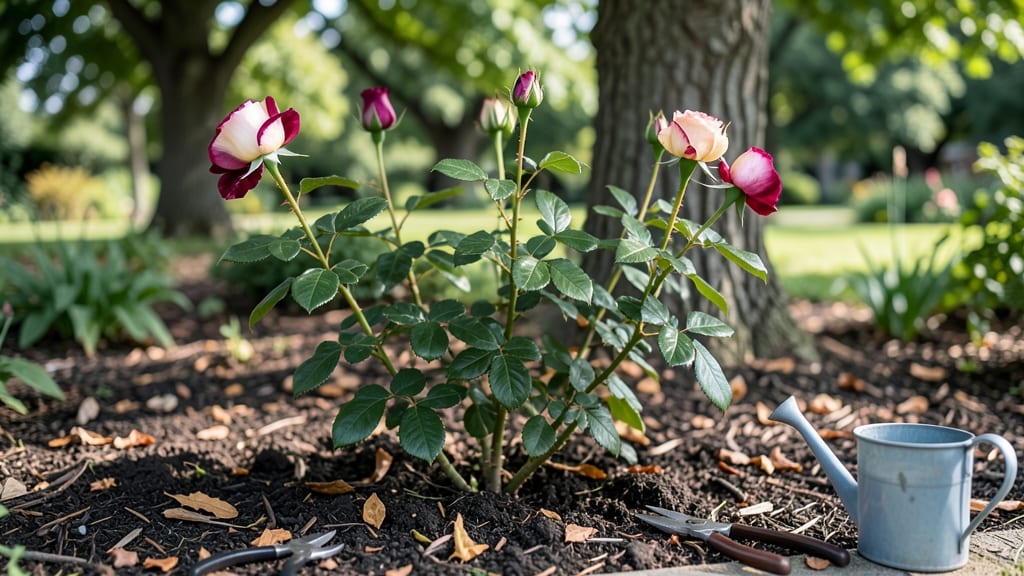
Those frustrating moments when rose buds do not open can feel like a cruel joke from Mother Nature—but there’s a simple fix. 🌹 I’ve watched my own roses form perfect buds only to swell and collapse, and after years of trial and error, I’ve pinpointed the exact reasons (and solutions) that work every time.
The most common culprits are temperature swings, disease pressure, or overcrowded canes stealing energy. Black spot fungus, aphid infestations, and even late spring frosts can trick roses into holding onto buds instead of blooming. The good news?
Most of these issues are easy to spot—and fix—once you know what to look for. Start by inspecting your roses for signs of stress: sticky leaves (aphids), dark spots (fungus), or weak, spindly growth (overcrowding).
Prune affected canes immediately, adjust watering to keep foliage dry, and consider a light application of neem oil to break pest cycles. Within 2-3 weeks, you’ll see buds swelling properly and blooms you can actually enjoy.
This isn’t just about saving this season’s flowers—it’s about training your roses to bloom reliably year after year. The key is consistency in care, and once you master it, your bushes will reward you with vibrant, healthy blooms that open on schedule.
The Hidden Reasons Behind Stubborn Rose Buds
When your rose bushes refuse to bloom, it’s often a sign that something fundamental is out of balance—whether it’s in the soil, the environment, or even the plant’s own biology. Understanding these root causes (literally!) is the first step to coaxing those tightly closed buds into glorious, fragrant flowers.
Let’s break down the science behind why your roses are playing hard to open.
Roses are perennial plants, meaning they rely on seasonal cues to trigger flowering. Many varieties—especially hybrid teas and floribundas—need a period of cool temperatures (below 50°F or 10°C) during dormancy to set flower buds for the next season.
- Why it happens: If your roses didn’t experience enough chill hours in winter (common in warm climates or under greenhouse conditions), their buds may stay dormant or fail to develop properly. Even if buds form, they might look healthy but never open because the plant hasn’t received the "go" signal.
- Actionable fix:
- In mild-winter zones, use artificial chilling by storing bare-root roses in a refrigerator (not freezer!) for 6–8 weeks at 35–40°F (2–4°C) before planting.
- For potted roses, move them to a cool, dark garage or basement for 4–6 weeks in late fall to mimic winter conditions.
- Choose tropical or ever-blooming roses (like Rosa ‘Knock Out’) if you live in a frost-free area—they don’t require chill hours.
Roses are thirsty but hate soggy feet. Too much water—or worse, waterlogged soil—can suffocate roots, starve them of oxygen, and trigger fungal diseases like black spot or powdery mildew, which weaken the plant’s ability to produce flowers.
- Why it happens:
- Excess moisture stresses the plant, diverting energy away from bud development toward survival.
- Waterlogged soil promotes root rot (Phytophthora), cutting off nutrient and hormone transport to buds.
- Bud rot or botrytis blight (gray mold) can form in tight, damp buds, preventing them from opening.
- Actionable fix:
- Test your soil’s drainage: Dig a hole, fill it with water, and time how long it takes to drain. If it’s more than 4 hours, amend with perlite, sand, or compost.
- Water deeply but infrequently: Aim for 1–1.5 inches per week (including rain), and soak the root zone (12–18 inches deep) rather than shallow watering.
- Mulch with 2–3 inches of organic mulch (wood chips, straw) to regulate soil moisture and temperature.
- If buds are slimy or mushy, trim them off to prevent spread and treat with a copper fungicide.
Roses are sun worshippers, but they can also overheat in extreme conditions. Both insufficient light and scorching afternoon sun can sabotage blooms.
- Why it happens:
- Low light: Roses need 6–8 hours of direct sun daily to photosynthesize enough energy for bud formation. Shady spots lead to weak, leggy growth and few (or no) flowers.
- Excessive heat: In 100°F+ (38°C+) temperatures, roses may drop buds or fail to open due to heat stress, especially in varieties like hybrid teas that are sensitive to high temps.
- Actionable fix:
- Plant roses in a south- or west-facing location with afternoon shade (e.g., near a lattice or deciduous tree that provides summer shade).
- Use light-colored mulch (gravel, white plastic) to reflect heat away from roots.
- Provide dappled shade in hot climates with fabric shade cloth (30–50%) during peak afternoon sun.
- For container roses, move pots to a shadier spot during extreme heat.
Roses are heavy feeders, and even minor nutrient gaps can stall bud development. The most critical nutrients for flowering are phosphorus, potassium, and micronutrients—but too much of the wrong thing (like nitrogen) can backfire.
- Why it happens:
Nutrient Deficiency Symptoms Impact on Buds Phosphorus (P) Purple-tinged leaves, stunted growth, weak stems Bud formation stalls; flowers are small or fail to open. Potassium (K) Yellowing leaf edges, weak stems, poor disease resistance Bud abscission (dropping) before opening; flowers are short-lived. Magnesium (Mg) Interveinal chlorosis (yellow between veins) Bud deformation or failure to swell. Boron (B) Thickened, cracked stems; distorted new growth Bud blindness (no flowers form at all). Too Much Nitrogen (N) Lush green foliage but no flowers Plant focuses on leafy growth instead of reproductive buds. - Actionable fix:
- Test your soil with a home kit or lab test to identify deficiencies.
- Feed roses with a balanced fertilizer (10-10-10 or 5-10-5) in early spring and again after first bloom.
- For phosphorus boost: Use bone meal or rock phosphate in the planting hole.
- For potassium: Apply wood ash or greensand (sparingly—too much raises soil pH).
- Avoid high-nitrogen fertilizers (like lawn fertilizers) in blooming season.
- Add Eps
Revive Your Rose Blooms Now
If your rose buds refuse to bloom, don’t panic—there’s always a way to turn things around! Below are practical, step-by-step solutions tailored to the most common causes, along with prevention tips to keep your roses thriving. Let’s get those buds popping open with confidence!
When roses don’t have enough light or air circulation, buds stay stubbornly closed. Here’s how to fix it:
- 🔪 Prune like a pro: Use clean, sharp pruners to trim back overgrown branches by one-third in early spring. Cut just above a healthy outward-facing bud (about ¼ inch above). - 🌿 Thin out the canopy: Remove dead, crossing, or weak branches to improve airflow.
Aim for an open, vase-like shape. - 🌞 Space them out: If roses are planted too closely, transplant some to give each bush 3–4 feet of space.
💡 Pro Tip: Prune in the morning when the plant is hydrated, and sterilize your tools with rubbing alcohol to prevent disease.
Roses need 6–8 hours of sunlight daily to bloom. If they’re shaded, try these fixes:
- 🌅 Relocate or prune obstacles: Move the plant to a sunnier spot, or trim back nearby trees/shrubs blocking light.
- 🔥 Use reflective surfaces: Place a light-colored wall or mirror behind the plant to bounce extra sunlight onto the foliage.
- 🌡️ Extend the season: In cooler climates, add a cloche or row cover in early spring to trap warmth.
✨ Prevention: Plant roses in the sunniest part of your yard from the start—most varieties won’t bloom well in deep shade.
Drought stress or soggy soil can shock roses into bud dormancy. Balance moisture with these steps:
| Issue | Fix |
|---|---|
| Underwatering | Water deeply 1–2 times per week (1–2 inches per session). Use a drip irrigation system for consistency. |
| Overwatering | Let the top 2 inches of soil dry out between waterings. Improve drainage by adding compost or perlite. |
| Poor soil | Test soil pH (ideal: 6.0–6.5). Amend with aged compost, bone meal, or a balanced rose fertilizer (10-10-10). |
🌡️ Quick Check: Stick your finger 2 inches into the soil—if it’s bone-dry, water immediately. If it’s muddy, hold off!
Bugs and fungi can drain energy from roses, preventing blooms. Act fast with these remedies:
- 🐜 Spot-treat pests: Spray affected areas with neem oil (for aphids, spider mites) or insecticidal soap (for Japanese beetles). Repeat every 5–7 days. - 🍄 Prevent fungal infections: Remove moldy leaves or black spots immediately.
Apply copper fungicide as a preventive spray in spring. - 🛡️ Strengthen defenses: Feed roses with fish emulsion or compost tea to boost natural resistance.
🔥 Early Action: Isolate infected plants to stop pests/diseases from spreading to other roses or garden plants.
Roses need nutrients at the right time to encourage blooming. Follow this schedule:
- 🌿 Early spring (March–April): Apply a high-phosphorus fertilizer (like 5-10-5) to promote root and bloom development.
- 🌸 Mid-season (June–July): Switch to a balanced fertilizer (10-10-10) to sustain flowers.
- 🍂 Late summer (August): Use a low-nitrogen, high-potassium feed (like 0-10-10) to harden off plants for winter.
🎯 Golden Rule: Never fertilize in winter—it encourages tender new growth that won’t survive frost.
With these targeted fixes, your rose buds should start opening in 2–4 weeks. Monitor progress, adjust as needed, and soon you’ll have a lush, blooming bush that’s the envy of the neighborhood! 🌹
Frequently asked questions
Why do my rose buds swell but never open?
This usually happens due to temperature stress (like late frosts or extreme heat) or disease pressure from black spot. Buds may also stay closed if the plant lacks sufficient phosphorus or potassium—key nutrients for flowering. Check for dark spots on leaves or swollen, mushy buds as clues.
Can I force stubborn rose buds to open?
Yes! Trim off any moldy or deformed buds first, then give the plant a boost of phosphorus fertilizer (like bone meal). Place the bush in a sunnier spot and ensure soil moisture is consistent—neither soggy nor bone-dry. Most buds respond within 1-2 weeks if the underlying issue is fixed.
Are some rose varieties more prone to closed buds?
Hybrid teas and grandifloras are notorious for this issue due to their delicate nature, while Knock Out® roses or Floribundas are more forgiving. If you live in a warm climate, choose ever-blooming varieties that don’t require chill hours—like Rosa ‘Dr. Huey’—to avoid this problem entirely.
What’s the fastest way to tell if my roses have a fungal infection?
Look for dark, velvety spots on leaves (black spot) or gray fuzzy growth on buds (botrytis). Gently squeeze a bud—if it’s slimy or oozing, it’s infected. Remove affected parts immediately and spray with copper fungicide to prevent spread. Healthy buds should feel firm and dry.
Will pruning help if my rose buds aren’t opening?
Yes, but only if done correctly. Prune in early spring to remove dead, crossing, or weak canes—never during blooming season. Cut just above a healthy outward-facing bud to encourage new growth. Avoid heavy pruning in summer, as it can stress the plant further and delay blooms.