
Diseases
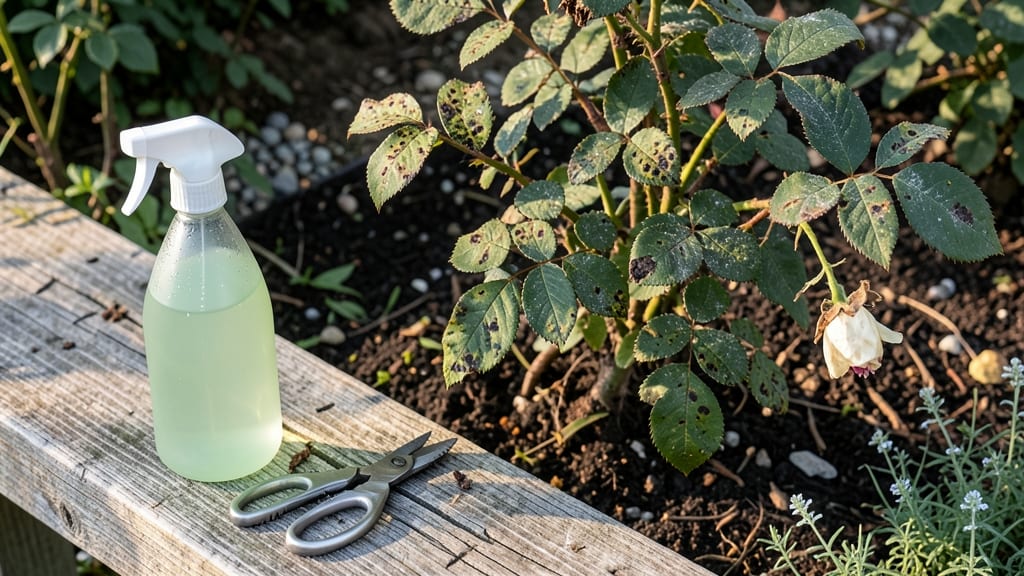
Your roses are covered in black spots or fuzzy white patches—rose bush fungus infection is spreading faster than you can prune. 🌿 The good news?
I’ve stopped outbreaks in my own garden using simple organic sprays that work within days, not weeks, and keep your bushes blooming without harsh chemicals.
The real culprit is often overcrowded plants, wet foliage, or poor air circulation—conditions that turn roses into fungus buffets. My go-to spray mix of neem oil, baking soda, and a drop of dish soap tackles black spot and powdery mildew before they take over.
It’s not just a quick fix; it rebuilds your roses’ natural defenses so they bounce back stronger.
By next week, those spots will fade and new growth will emerge vibrant and healthy. The key is consistency: spray every 7–10 days until the fungus disappears, then switch to preventive sprays in humid weather. Your bushes will thank you with bigger blooms and fewer fungal battles next season.
Works for all rose types—hybrids, climbers, even heirlooms—and fits into any garden routine. No more watching your favorite roses wither away. Let’s get those sprays mixed and those bushes back in action!
Root Causes Of Fungal Spread
Fungal infections in rose bushes rarely strike without reason—understanding the why behind them is the first step to stopping the spread. These pathogens thrive in specific conditions, turning your prized roses into a buffet of decay.
Below, we break down the key triggers that invite fungal invaders, from environmental neglect to plant stress.
Fungi love moisture—too much of it creates the perfect breeding ground. When soil stays soggy for days, spores germinate and spread rapidly.
Here’s how it happens: - Waterlogged soil cuts off oxygen, weakening roots and making them vulnerable to pathogens like Botrytis (gray mold) or Phytophthora (root rot). - Compacted or clay-heavy soil traps excess water, while poor drainage (e.g., planting in low spots) turns your garden into a fungal swamp. - Overhead watering (especially in the evening) keeps leaves damp for hours, encouraging leaf spots and powdery mildew.
Actionable fix: Test soil moisture with your finger—water only when the top 1–2 inches are dry. Amend heavy soil with compost or perlite to improve aeration.
Fungal spores don’t just attack weak roses—they exploit them.
Stress from poor spacing, nutrient deficiencies, or physical damage opens the door: - Poor airflow (from overcrowded bushes) traps humidity, ideal for black spot (Diplocarpon rosae) or rust (Phragmidium mucronatum). - Nutrient deficiencies (especially magnesium or nitrogen) weaken cell walls, making roses more susceptible. - Physical damage (pruning cuts, hail, or pest bites) creates entry points for spores.
Actionable fix: Space roses 3–4 feet apart for airflow. Prune in early spring (not fall) to avoid late-season stress. Use a balanced organic fertilizer (like fish emulsion) to boost resilience.
Fungi are opportunistic—they wait for the perfect moment to strike.
Temperature and humidity play a huge role: - Cool, wet springs (50–70°F) trigger powdery mildew (Erysiphe) and downy mildew. - High humidity (above 75%) without airflow encourages Botrytis (gray mold) on flowers and stems. - Sudden temperature swings (e.g., warm days + cool nights) stress roses, lowering their defenses.
Actionable fix: Choose disease-resistant rose varieties (e.g., ‘Knock Out’ roses). Mulch with straw or wood chips to moderate soil temp. Water early in the day to let foliage dry.
Fungal spores are everywhere—but they hitchhike on unsuspecting tools and soil:
- Reused pruners spread spores from infected plants to healthy ones.
- Infested mulch or compost introduces pathogens like Armillaria (honey fungus).
- Old plant debris left in the garden acts as a spore reservoir for years.
Actionable fix: Sterilize tools with 70% isopropyl alcohol or a 10% bleach solution between uses. Remove fallen leaves and dead stems promptly. Replace old mulch with fresh, disease-free options.
Some fungi don’t act alone—they team up with pests to do more damage:
- Aphids and mites feed on rose sap, creating sticky honeydew that fosters sooty mold (Capnodium).
- Japanese beetles chew leaves, leaving wounds for Botrytis to invade.
- Thrips damage flowers, making them prime targets for gray mold.
Actionable fix: Introduce beneficial insects (ladybugs, lacewings) or spray neem oil to deter pests. Remove visible beetles by hand in the early morning.
Many gardeners wait until fungi take over before acting. By then, spores have already spread.
Watch for these red flags: - Yellowing leaves (early sign of black spot or rust). - White powdery patches (powdery mildew). - Dark, mushy stems (root rot or Botrytis). - Orange pustules (rust fungus).
Actionable fix: Inspect bushes weekly, especially the undersides of leaves and buds. Remove infected parts immediately and dispose of them in the trash (not compost).
Pro Tip: 💡 Fungal infections often start in one area and spread via wind or water. Isolate infected bushes during treatment to prevent cross-contamination!
Quick Fixes for Fungal Rose Bush Woes
Fungal infections on rose bushes can feel like a losing battle, but with the right approach, you can revive your roses and keep them thriving. The key is acting fast, identifying the root cause, and applying targeted solutions—without harsh chemicals.
Below, we’ve mapped out practical fixes for the most common fungal issues, plus prevention tips to stop future outbreaks.
Cause: Diplocarpon rosae thrives in damp, shady conditions, turning leaves into a skeleton-like mess.
How to Fix It: ✅ Prune & Remove – Snip off infected leaves (wear gloves!) and dispose of them in the trash (not compost). **🔪⏰ Do this in the morning—wet leaves spread spores faster.
✅ Neem Oil Spray – Mix 1 tsp neem oil + 1 tsp mild soap + 1 quart water. Spray both sides of leaves every 7–10 days until new growth appears. 🌿 Why it works: Neem disrupts fungal growth and strengthens plant immunity.
✅ Improve Airflow – Thin out crowded canes and space bushes 3–4 feet apart. 💨 Pro tip: Elevate soil with mulch (but keep it 2–3 inches away from stems to prevent rot).
✅ Copper Fungicide (Optional) – For severe cases, use organic copper spray (like Bonide Copper Fungicide) once a month—but rotate with neem to avoid resistance.
Cause:** Erysiphe necator loves hot, humid days and leaves a talcum-powder-like film on stems and buds.
How to Fix It: ✅ Baking Soda Spray – Mix 1 tbsp baking soda + 1 tsp oil (like canola) + 1 gallon water + a drop of soap. Spray every 7–10 days at dawn or dusk. **🍞 Science alert: The oil helps the baking soda stick, while soap reduces surface tension.
✅ Sulfur Dust – Lightly dust organic sulfur on leaves early in the day (avoid if temps will exceed 90°F—it can burn leaves). ⚗️ Caution: Test on a small area first.
✅ Resistant Rose Varieties – If mildew is chronic, swap out susceptible roses (like Hybrid Teas) for resistant types like ‘Knock Out’ or ‘Dr. Huey’.
✅ Water Wisely – Avoid overhead watering (use drip irrigation or soaker hoses). 💦 Golden rule: Water at the base, never the leaves—especially in the evening.
Cause:** Phragmidium fungi create bright orange pustules on undersides of leaves, weakening the plant.
How to Fix It: ✅ Remove & Burn Infected Leaves – Do not compost—rust spores survive in soil. **🔥 Extreme measure: If rust is bad, dig up and replace heavily infected soil.
✅ Lime Sulfur Spray – A stronger organic option, but use only in early spring (follow label rates). ⚠️ Warning: Can burn plants if overused—dilute if needed.
✅ Companion Planting – Interplant roses with garlic, chives, or thyme—their strong scents deter fungal spores. 🌱 Bonus: They also repel pests!
✅ Fall Cleanup – Rake and remove all fallen leaves by late fall to break the rust cycle. 🍂 Prevention tip: Mulch with cedar chips (natural fungicide properties).
Cause:** Botrytis cinerea thrives in crowded, damp conditions, causing brown, mushy stems and buds.
How to Fix It: ✅ Prune for Airflow – Open up the center of the bush to reduce humidity. **🌬️ Think: "Less clutter = less fungus fuel."
✅ Hydrogen Peroxide Spray – Mix 1 tbsp 3% hydrogen peroxide + 1 quart water. Spray every 5–7 days—it’s a natural disinfectant. 🧪 Safety first: Test on a small area first.
✅ Avoid Overhead Watering – Use drip irrigation and water early in the day so leaves dry quickly. 🌞 Key: Wet foliage at night = botrytis party.
✅ Copper Fungicide (Rotational Use) – If blight persists, alternate with neem oil to prevent resistance.
Fungus hates healthy, happy roses. Here’s how to outsmart it long-term:
🔹 Mulch Right – Use 2–3 inches of organic mulch (like straw or wood chips) but keep it away from stems to prevent rot.
🔹 Water Deeply, Less Often – 1–2 inches per week (check soil moisture—don’t guess!). 💧 Tool tip: Use a moisture meter for accuracy.
🔹 Choose Disease-Resistant Roses – Look for labels like ‘Earth-Kind’ or ‘AARS’ (American Association of Rose Selectors) for tougher varieties.
🔹 Rotate Organic Fungicides – Don’t rely on one treatment—switch between neem, copper, baking soda, and sulfur to avoid resistance.
🔹 Sanitize Tools – Wipe pruners with rubbing alcohol between cuts to prevent spreading spores. 🧴 Quick fix: Keep a small bottle in your tool bag.
🔹 Fall & Spring Maintenance –
- Fall: Remove all debris, prune dead wood, and apply compost.
- Spring: Prune before new growth and apply a preventative spray (like neem oil).
Fungal infections won’t disappear overnight, but with consistent care, your roses will bounce back stronger. Start with one fix (like neem oil for black spot), monitor progress, and adjust as needed. Healthy roses = fewer fungal battles!
💡 Pro Tip: Keep a rose care journal—note when you spray, prune, and water. Patterns will help you predict and prevent** future outbreaks.
Frequently asked questions
Can I use the same fungicide spray for all types of rose fungus?
Not all organic sprays work equally well for every fungal infection. Neem oil is great for black spot and powdery mildew, while baking soda helps with mildew specifically. For rust fungus, lime sulfur is more effective. Always match the treatment to the specific symptoms you're seeing on your roses. Rotating treatments prevents fungal resistance.
How often should I spray my roses with fungicide?
For active infections, spray every 7-10 days until symptoms disappear, then switch to a preventive schedule. Once the fungus is under control, apply sprays every 2-4 weeks during humid seasons (spring and fall) or after heavy rains. Consistency is key - missing a spray can let spores return.
Will cutting off infected leaves really stop the spread?
Yes, but only if you do it correctly! Remove infected leaves completely (down to healthy tissue) and dispose of them in the trash (not compost). The key is timing - prune in the morning when leaves are dry, and sterilize your pruners between cuts. This prevents spores from jumping to healthy parts of the plant or other bushes.
Can I still use my roses for cut flowers if they have fungus?
It's best to avoid using infected roses for cut flowers, as the fungus can spread to your indoor arrangements. However, if you must, cut flowers early in the day when spores are less active, and change the water daily. For long-term health, focus on treating the plant first before harvesting blooms.
Why does my rose fungus keep coming back even after treatment?
Fungal infections often return when underlying conditions persist. Check for poor airflow (overcrowded bushes), excess moisture (watering at night), or nutrient deficiencies. Also, some fungi develop resistance to single treatments - rotate between neem oil, baking soda, and copper sprays. A thorough cleanup of fallen leaves and debris helps too.