
Pests and Diseases
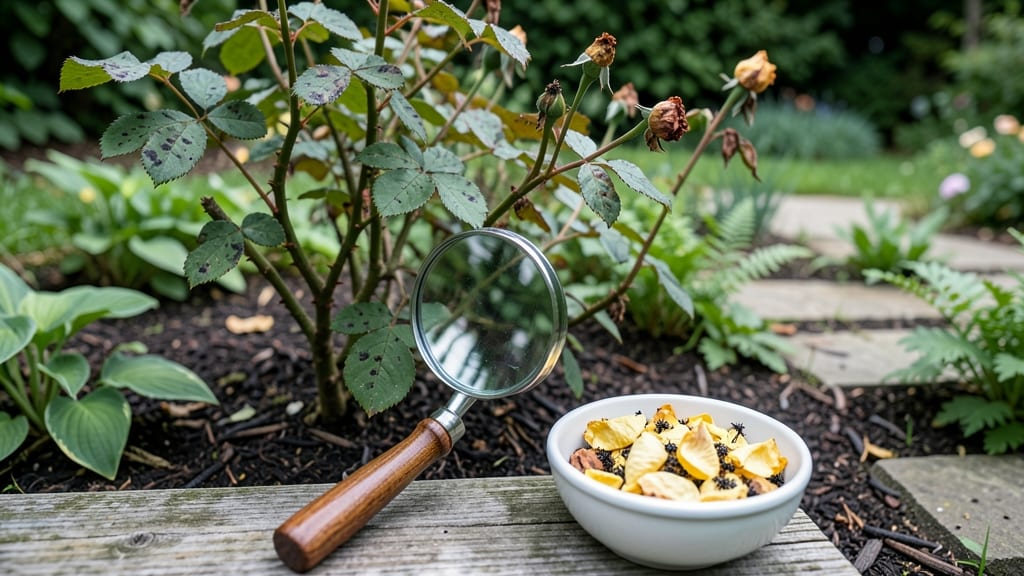
Seeing your rose bush struggling is heartbreaking—especially when you don’t know what’s wrong, but these rose bush problems pictures will help you spot the issue fast. 🌹 I’ve spent years diagnosing rose bush problems, and I’ll show you exactly what to look for in these 10 common issues, so you can act fast. and save your plants.
The key is catching problems early—yellow leaves, black spots, or strange growth patterns all signal trouble. Each issue has a distinct look, and knowing the visual clues means you can treat it before it spreads. Think of this as your rose bush’s first line of defense.
By the end, you’ll recognize wilted stems, powdery white patches, or chewed leaves instantly. Prevention is easier than cure, and once you spot these signs, you’ll have the right tools to fix them—whether it’s pruning, spraying, or adjusting care.
This guide works for backyard roses, container plants, or even those stubborn climbers on your fence. Let’s get your roses thriving again!
Root Causes Behind Rose Troubles
Understanding why your rose bush develops problems is the first step to fixing them. Roses are resilient, but they’re also highly sensitive to environmental stressors, pests, and diseases. Below, we break down the scientific reasons behind common rose bush issues—so you can diagnose and treat them effectively.
Roses thrive in specific conditions, and when those needs aren’t met, stress sets in—often leading to visible damage.
- Extreme Temperatures Roses hate sudden temperature swings. Frost damage (blackened, mushy stems) occurs when temperatures drop below 20°F (-7°C), while heat stress (yellowing leaves, wilting) happens in prolonged 90°F+ (32°C+) weather. Cold snaps can also disrupt dormancy, making roses vulnerable to fungal infections.
- Poor Soil Conditions Compacted or waterlogged soil restricts root growth, leading to stunted bushes and yellow leaves. Roses need well-draining, slightly acidic soil (pH 6.0–6.5). If your soil is too alkaline (pH >7.0), nutrients like iron become unavailable, causing chlorosis (yellowing between leaf veins).
- Inadequate Sunlight Roses require 6–8 hours of direct sunlight daily. Shady spots weaken stems, reduce flowering, and make them prone to powdery mildew (white fungal coating). Variegated or deep-green foliage can also signal light deprivation.
Pests don’t just nibble—they inject toxins, spread diseases, and weaken roses over time.
- Aphids & Spider Mites These tiny sap-suckers leave sticky honeydew (aphids) or fine webbing (mites) on leaves. Their saliva disrupts nutrient flow, causing curled, yellowed leaves and stunted growth. Mites thrive in hot, dry conditions, while aphids prefer tender new growth.
- Japanese Beetles These metallic-green beetles skeletonize leaves (eating between veins), leaving a lace-like pattern. They also feed on rose buds, preventing blooms. Adults emerge in late June–July, targeting stressed or over-fertilized roses.
- Rose Slugs (Sawfly Larvae) Unlike actual slugs, these green, worm-like larvae defoliate roses overnight. They excrete black frass (feces), which can attract fungal growth. Outbreaks peak in early summer and target young, succulent leaves.
Fungi and bacteria exploit weak roses, often entering through wounds or poor air circulation.
- Black Spot (Fungal) The most common rose disease causes dark, circular spots with yellow halos on leaves. The fungus (Diplocarpon rosae) thrives in humid, shady conditions and spreads via splashing water. Infected leaves drop prematurely, reducing photosynthesis.
- Powdery Mildew (Fungal) This white, powdery coating on leaves and buds occurs in low-light, high-humidity environments. It blocks sunlight, stunting growth and distorting new shoots. Resistant rose varieties (e.g., ‘Knock Out’ roses) are less susceptible.
- Bacterial Blight (Xanthomonas) Water-soaked, dark lesions on stems and leaves ooze when cut open. Bacteria spread via rain, tools, or infected cuttings, clogging vascular tissue and causing wilting or dieback. Prune infected areas early to prevent spread.
Even well-meaning gardeners can accidentally harm roses with improper care.
- Overwatering or Underwatering Overwatering leads to root rot (mushy, brown roots) and fungal diseases, while underwatering causes drooping, crispy leaves. Roses need 1–1.5 inches of water weekly, but adjust for clay vs. sandy soil.
- Over-Fertilizing Excess nitrogen promotes leafy growth over flowers, while too much phosphorus can burn roots. Use a balanced rose fertilizer (10-10-10 or 5-10-5) and apply every 4–6 weeks during growing season.
- Improper Pruning Cutting at the wrong angle (leaving stubs) or pruning too late in the season invites disease. Always use sterilized shears and remove crossing branches to improve airflow.
Sometimes, the problem isn’t biological—it’s chemical.
- Nutrient Deficiencies
- Yellow leaves with green veins? → Iron deficiency (chlorosis).
- Purple stems/leaves? → Phosphorus deficiency.
- Brown leaf edges? → Potassium deficiency or over-salinity (from tap water or fertilizers).
- Herbicide Drift If nearby lawns were treated with glyphosate or 2,4-D, roses may show crinkled, distorted new growth or blackened stems. Always check labels for rose-safe herbicides.
- Soil Toxicity High salt levels (from hard water or fertilizers) cause leaf scorch (brown edges). Aluminum toxicity (from acidic soil) leads to stunted roots and purple undersides on leaves. Test soil annually to adjust amendments.
Quick Fixes for Rose Bush Woes
Revitalizing your rose bush doesn’t have to be a mystery—most issues have straightforward solutions once you know the cause. Below, we’ve mapped out practical fixes for the most common rose bush problems, from pesky pests to pesky diseases.
Each solution includes step-by-step instructions and prevention tips to keep your roses thriving long-term.
🔥 Problem: Dark, circular spots with yellow halos on leaves? That’s black spot, a fungal infection that drains your roses’ energy.
🍳 How to Treat It:
- Prune aggressively 🔪: Remove all infected leaves (even those that look "mostly healthy") and sterilize your pruners with rubbing alcohol.
- Apply fungicide 🛡️: Use a copper-based or neem oil fungicide (follow label instructions). Reapply every 7–10 days until new growth appears.
- Improve airflow 🌬️: Thin out crowded canes and avoid overhead watering—water at the base in the morning to keep leaves dry.
💡 Prevention Tips:
- Space plants 3–4 feet apart for better airflow.
- Water deeply but less often (1–2 inches per week).
- Clean up fallen leaves regularly—fungi love hiding in debris!
🔥 Problem: Skeletons of leaves? Japanese beetles strip roses bare in days, leaving behind chewed foliage and shiny, brown excrement.
👨🍳 How to Treat It:
- Handpick early 🕵️: Drop beetles into soapy water (1 tbsp dish soap per gallon) in the early morning when they’re sluggish.
- Use row covers 🛡️: Cover young roses with floating row fabric (secured tightly) to block beetles before they lay eggs.
- Spray with neem oil or pyrethrin 🌿: Apply early in the morning (avoid bees!) and reapply after rain.
💡 Prevention Tips:
- Plant trap crops 🌼: Surround roses with marigolds or cosmos—beetles prefer these over roses.
- Encourage natural predators 🐞: Ladybugs and parasitic wasps love beetle larvae. Avoid pesticides that harm them.
- Remove grubs from lawn 🪴: Japanese beetle larvae live in soil—treat your lawn with milky spore bacteria (a natural grub killer).
🔥 Problem: A white, powdery coating on leaves? Powdery mildew weakens roses by blocking sunlight and clogging pores.
🥘 How to Treat It:
- Wipe leaves with a damp cloth 🧼: Gently clean both sides of leaves to remove mildew physically.
- Spray with baking soda mix 🧂: Mix 1 tsp baking soda + 1 tsp horticultural oil + 1 tsp soap per quart of water. Spray every 7–10 days.
- Boost humidity control 💦: Water early in the day and avoid mulching too close to the base.
💡 Prevention Tips:
- Choose resistant varieties 🌹: Look for roses labeled "powdery mildew resistant" (e.g., ‘Knock Out’ roses).
- Space plants for airflow 🌬️: Overcrowding = mildew paradise.
- Avoid overhead watering 💧: Use drip irrigation or soaker hoses instead.
🔥 Problem: Sawdust-like frass and chewed rose buds? Rose slugs (sawfly larvae) hide under leaves and destroy blooms overnight.
🔪 How to Treat It:
- Inspect buds daily 🕵️: Look for green, slug-like larvae (1/2 inch long) under leaves or in buds.
- Drop larvae in soapy water 🚿: Handpick and drown them—they’re easy to spot if you check early morning or late evening.
- Use Bt (Bacillus thuringiensis) 🦠: A natural bacterial spray that kills larvae without harming bees.
💡 Prevention Tips:
- Remove old canes 🪴: Sawflies lay eggs in dead wood—clean up debris in fall.
- Encourage birds 🐦: Robins and starlings love eating sawfly larvae.
- Apply diatomaceous earth 🪨: Sprinkle food-grade DE around the base (reapply after rain).
🔥 Problem: Yellowing leaves, wilting despite watering, and a foul smell? Root rot from overwatering or poor drainage is killing your roots.
🌱 How to Treat It:
- Stop watering immediately 💧: Let the soil dry out completely before watering again.
- Improve drainage 🏗️: Amend soil with perlite or sand and raise the plant with a mound of soil or a pot.
- Prune back ⏰: Cut 1/3 of the plant to reduce stress on weakened roots.
💡 Prevention Tips:
- Test your soil 📊: Aim for well-draining, slightly acidic soil (pH 6.0–6.5).
- Water deeply but infrequently 🌧️: 1–2 inches per week (adjust for climate).
- Choose the right pot 🪴: If growing in containers, use pots with drainage holes and cactus/succulent mix.
🔥 Problem: Sticky residue (honeydew), curled leaves, or tiny webs? Aphids and spider mites suck sap and spread disease.
🍎 How to Treat It:
- Blast with water 💦: A strong hose spray dislodges aphids (do this early morning).
- Spray neem oil or insecticidal soap 🌿: Mix 1 tbsp neem oil + 1 tsp soap per quart of water. Spray every 5–7 days.
- Release ladybugs 🐞: Buy beneficial insects from garden centers—they devour aphids.
💡 Prevention Tips:
- Encourage diverse plants 🌼: A pollinator-friendly garden attracts predators like lacewings and ladybugs.
- Remove weeds 🪴: Weeds harbor pests—keep your garden tidy.
- Use reflective mulch 🪞: Aluminum foil or silver mulch confuses mites (they hate light reflections).
🎯 Final Pro Tip: Act fast! Most rose problems are easier to fix early than after they’ve spread.
Keep a small spray bottle of neem oil or insecticidal soap handy for quick treatments, and inspect your roses weekly—especially the undersides of leaves (that’s where pests and diseases love to hide). 🌹💚
Frequently asked questions about rose bush problems
How can I tell if my rose bush has black spot just by looking?
Look for dark purple or black circular spots with yellow halos on the leaves—this is classic black spot. The spots often have tiny black specks (fungal spores) in the center. Check the undersides of leaves first, as that’s where it starts. If you see these spots, prune infected leaves immediately and improve airflow around your plant.
What do Japanese beetles look like, and how do I know they’re damaging my roses?
Japanese beetles are green with copper wings and about 1/2 inch long. They leave behind skeletonized leaves (only veins remain) and shiny brown frass (poop). Check for these signs in late June–July when beetles are most active. Handpick them early in the morning when they’re sluggish, or use neem oil for organic control.
Why are my rose leaves turning yellow, but the veins stay green?
This is a classic sign of iron deficiency (chlorosis), often caused by alkaline soil (pH >7.0). The yellowing between veins happens because the plant can’t absorb iron. Test your soil and amend with chelated iron or sulfur to lower pH. Also check for overwatering, which can wash away nutrients.
Can I save my rose bush if it has powdery mildew?
Yes! Powdery mildew is treatable, but act fast. Wipe leaves with a damp cloth to remove the white coating, then spray with a baking soda mix (1 tsp baking soda + 1 tsp soap + 1 quart water). Improve airflow by spacing plants 3–4 feet apart and avoid overhead watering. Resistant varieties like ‘Knock Out’ roses are great for mildew-prone areas.
What should I do if my rose bush stems are black and mushy?
This is likely bacterial blight or frost damage. If it’s bacterial blight, prune all infected stems 1 inch below the blackened area and sterilize your shears. For frost damage, wait until spring to prune—new growth may emerge. In both cases, improve drainage and avoid overhead watering to prevent spread.