
Advice
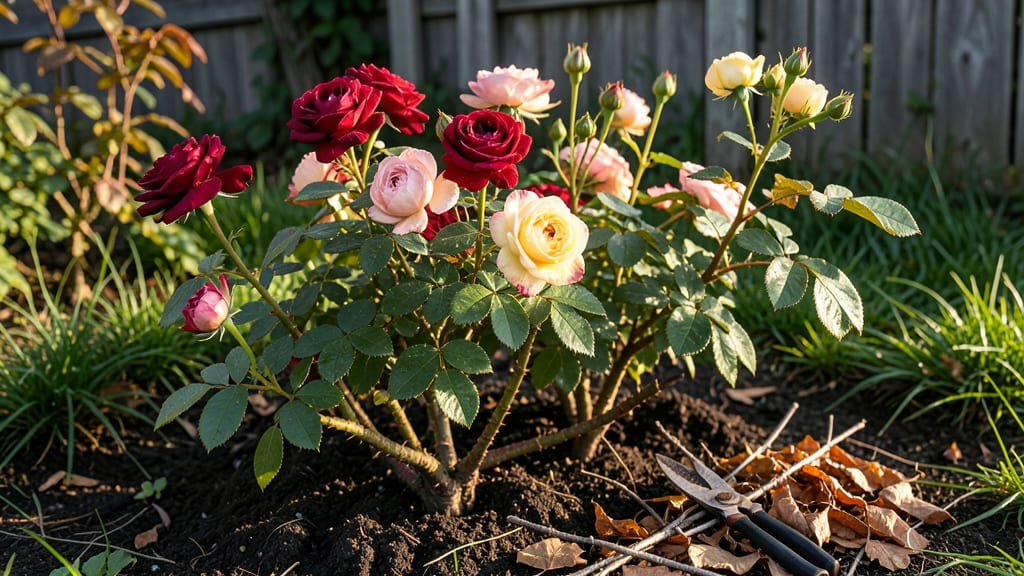
Proper rose care in fall is key to winter survival—pruning them now means stronger blooms next spring. 🌹 I’ve learned the hard way that skipping this step leads to weak canes, fewer flowers, and even winter damage.
The key is timing: prune after the first frost when the plant goes dormant, but before the ground freezes. You’ll need sharp pruners, a bucket for clippings, and a 2-3 inch layer of mulch (straw or shredded leaves work best).
Cut back canes by about one-third, removing any dead, diseased, or crossing branches. This isn’t about making them look pretty—it’s about encouraging new growth and protecting the plant’s energy for winter. What you’ll end up with is a neat, sturdy rose bush ready to brave the cold.
The mulch insulates roots, keeping them from freezing, while the pruning reduces stress. By spring, you’ll see fresh, vigorous growth—and way more blooms than you’d expect from a "winter-prepped" plant. This works for hybrid teas, floribundas, and even climbing roses. Just adjust the pruning intensity based on your climate.
Let’s get those roses winter-ready!
📚 In This Guide
- What you need
- Instructions
- Tips and common mistakes
- Wrapping up and next steps
What you need
- ● Pruning shears – Sharp, bypass-style shears (1 pair) for clean cuts. Avoid dull tools that crush stems!
- ● Garden gloves – Heavy-duty, cut-resistant (1 pair) to protect your hands from thorns and debris.
- ● Disinfectant (70% isopropyl alcohol or bleach solution) – 1 small bottle to sterilize tools between cuts and prevent disease.
- ● Compost or well-aged manure – 5-10 gallons to enrich soil and provide nutrients before winter.
- ● Mulch (straw, shredded leaves, or wood chips) – 3-4 inches to insulate roots and retain moisture.
- ● Rose fertilizer (low-nitrogen, high-phosphorus) – 1 bag for a final fall feeding to strengthen roots.
- ● Pruning saw – For thicker stems (over ½ inch in diameter).
- ● Garden hose or spray bottle – To rinse tools and clean up debris.
- ● Plant ties or stakes – If your roses need support after pruning.
- ● Anti-desiccant spray (wax-based) – For extra protection in cold climates.
- ● Soil tester kit – To check pH and nutrient levels before amending soil.
Step-by-step guide for fall rose pruning
Here's how to prep your roses for winter—stronger stems and next year's blooms start with these cuts.
✂️ Step 1: Time Your Pruning Perfectly
Wait until the first hard frost has blackened the leaves, but don't delay past 6 weeks before your average first frost. This timing lets the plant finish storing energy in its roots while avoiding late-season regrowth that won't harden off properly. I always check my local frost date calendar—pruning too early stresses the plant, and too late means weak winter recovery.
You'll know it's time when the foliage looks crispy and brown, but the canes still feel firm to the touch. If you see new buds forming, wait another week—they'll need to mature before winter.
✂️ Step 2: Remove Dead, Diseased, and Weak Canes
Start by cutting out any canes that are completely dead, diseased, or crossed in the center of the plant. Use sharp pruners to make clean cuts at a 45-degree angle, about ¼ inch above an outward-facing bud. I like to work from the inside out—this keeps the plant's center open for airflow and sunlight.
Look for canes that are thinner than a pencil or show signs of black spot fungus (purple-black spots). These should go too. You'll be left with only the healthiest, thickest canes—these are your plant's foundation for next year.
✂️ Step 3: Thin and Shape the Remaining Canes
Now focus on the remaining canes. Remove about ⅓ of the oldest canes
For the canes you keep, shorten them by about ⅓ of their height. Make your cuts just above an outward-facing bud to encourage new growth that spreads outward rather than inward. You're aiming for an open center with canes spaced evenly around the plant. After pruning, rake up all the fallen leaves and debris from around the base of the rose. This removes overwintering pests and fungal spores. I like to sprinkle a 2-inch layer of mulch around the plant (but not touching the stems) to insulate the roots. For extra protection in cold climates, wrap the canes loosely with burlap or rose cones after the ground freezes. This prevents winter sunscald while allowing airflow. In milder climates, a thick layer of mulch is often enough—just check that the soil stays slightly moist but not soggy. Check your roses once a month during winter for signs of rodent damage or excessive moisture. If you see gnawed bark, wrap the damaged area with tree wrap or chicken wire to deter further chewing. In very cold areas, add extra mulch if temperatures drop below 10°F. Spring prep starts now: Mark the canes you pruned so you can track new growth. By late winter, you'll see tiny buds swelling—this is your reward for fall pruning done right.🌿 Step 4: Clean Up and Protect for Winter
⏰ Step 5: Monitor and Adjust Through Winter
Tips & tricks for perfect fall rose pruning
Here's what nobody tells you about getting your roses ready for winter—these tricks make all the difference between a struggling plant and one that thrives next spring.
Timing is Everything: The 6-week window before your first frost is your sweet spot. I check my local frost date calendar and mark the date—this ensures the plant has finished storing energy in its roots. Real talk: I once pruned too early and my roses struggled to recover. The crispy brown leaves are your signal, but if you see new buds forming, wait another week. Those buds won't survive winter.
Tool Tip: Sharp pruners are non-negotiable. Dull blades crush canes and create jagged cuts that invite disease. I keep a pair exclusively for roses and clean them with rubbing alcohol after each use. For thicker canes, I use loppers—just make sure they're clean too. The 45-degree angle cut is crucial because it helps water run off, preventing rot.
Visual Cue for Step 3: When you're removing ⅓ of the oldest canes, look for the ones with no new growth at the base. These are the energy vampires of your rose bush. For the canes you keep, shortening them by ⅓ of their height might seem drastic, but trust me on this—it creates a strong framework for next year's blooms. I like to visualize an open vase shape when I'm pruning.
Mulch Matters: That 2-inch layer of mulch isn't just decoration—it's insulation. I use shredded hardwood mulch because it breaks down slowly and improves soil structure. The key is keeping it away from the stems to prevent moisture buildup. In colder climates, I add extra mulch when temperatures drop below 10°F—this creates a protective blanket for the roots.
Pro Tips for Rose Care In Fall
- Here's what nobody tells you about getting your roses ready for winter—these tricks make all the difference between a struggling plant and one that thrives next spring.
- Timing is Everything: The 6-week window before your first frost is your sweet spot.
- Tool Tip: Sharp pruners are non-negotiable.
Frequently asked questions
Got questions about prepping your roses for winter?
Here are the answers to common concerns—so you can keep your garden thriving all season long!
When is the best time to prune roses in the fall?
Prune after the first hard frost (when leaves drop or turn brown) but before winter sets in—typically late October to early November in most U.S. zones. This timing helps roses harden off while avoiding late-season regrowth that could freeze. Pro tip: Check your local frost dates to plan!
Should I cut back roses all the way to the ground?
No! Only remove dead, diseased, or crossing branches. For most roses, trim back by one-third to leave 3–4 healthy buds per stem. Hybrid teas and floribundas need more structure, while climbers may only need light shaping. Pro tip: Use clean, sharp shears to avoid tearing bark.
What if my roses haven’t bloomed yet by fall?
Don’t worry—some roses (like Noisette or China hybrids) bloom later. Focus on pruning for shape and adding mulch (3–4 inches) to insulate roots. Lightly fertilize with a low-nitrogen formula in early fall to encourage root growth before winter.
How do I protect roses from winter damage?
Start with a 3-inch layer of mulch (straw or shredded leaves) around the base. For tender varieties, mound soil or mulch up to the graft union. In colder zones (<10°F), wrap canes with burlap or use rose cones. Pro tip: Avoid plastic—it traps moisture and can rot stems!
Can I prune roses in late fall or early winter?
Wait until late winter/early spring (just before new growth starts) for heavy pruning. Late-fall cuts can stimulate tender new growth that’ll die in cold snaps. Exception: Light cleanup of dead wood is fine, but save major shaping for warmer months.
What if my roses look sad after pruning?
Healthy roses may look bare post-prune, but they’re prepping for winter! Focus on watering deeply (before the ground freezes) and avoiding fertilizer after mid-fall. Yellow leaves? Likely just natural shedding—no cause for alarm unless paired with black spots (fungus).
Wrapping up and next steps
Fall is the perfect time to prep your roses for winter—and with the right pruning and care, you’ll reward yourself with vibrant blooms come spring. 🌹 By clearing dead foliage, shaping your plants, and protecting them from frost, you’re setting the stage for a healthier, more resilient garden.
Now that you’re armed with these tips, grab those shears and get pruning! Your future blooms will thank you.
Ready to take it further? Check out our seasonal rose care calendar for month-by-month guidance—or share your progress with fellow gardeners online. Happy gardening!