
Tools
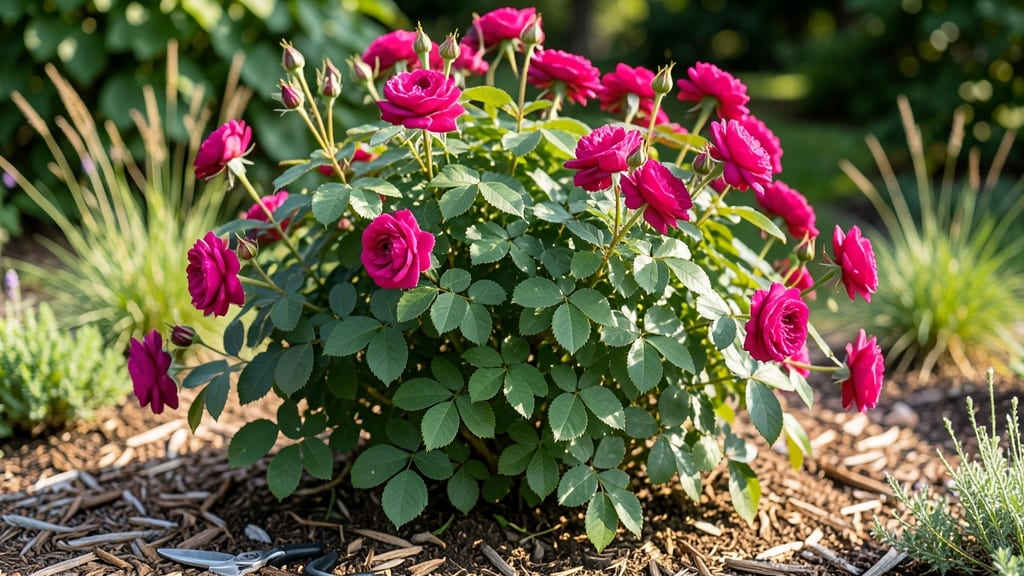
A rose garden circle isn’t just a bed—it’s a fragrant, vertical masterpiece that turns heads every season. 🌹 I designed mine around a weathered stone bench, letting climbers spill over the edges like a living curtain. The key?
Starting with a 6-foot diameter circle where roses can cascade naturally toward the center, creating that dreamy, layered look. Choose dwarf climbers for the outer ring (they’ll spill gracefully) and semi-climbing varieties near the center (they’ll reach upward).
Add lavender and ornamental grasses between roses to soften the structure while keeping pests at bay. The result? A garden that smells like a bouquet and looks like a painting—without the canvas.
By summer, your circle will be a burst of color and texture, with roses trailing over arches or climbing a central trellis. The fragrance alone makes it worth the effort. And the best part? It grows more elegant each year as the vines mature.
This design works for small courtyards or sprawling backyards—just adjust the circle size. Now grab that sketchbook and let’s make it happen!
📚 In This Guide
- What you need
- Instructions
- Tips and common mistakes
- Wrapping up and next steps
What you need
- ● Roses: 6–12 climbing or rambling rose bushes (disease-resistant varieties like 'New Dawn' or 'Blaze' work beautifully).
- ● Trellis or Arbor: A circular metal or wooden trellis (6–8 ft diameter) or a pre-built rose arbor (4–6 ft tall).
- ● Garden Soil: 2–3 cubic yards of high-quality, well-draining soil (mix in compost for nutrients).
- ● Mulch: 2–3 bags of organic mulch (cedar or pine) to retain moisture.
- ● Fertilizer: Slow-release rose fertilizer (10–10–10 NPK ratio) or organic options like fish emulsion.
- ● Pruning Shears: Sharp, bypass-pruners (sterilized with rubbing alcohol).
- ● Garden Gloves: Heavy-duty, long-cuff gloves for protection.
- ● Shovel & Spade: For digging and soil prep.
- ● Wheelbarrow: To transport soil and mulch.
- ● Measuring Tape & Stakes: For marking the circle’s diameter.
- ○ Hose with Nozzle: For watering (soaker hose optional).
- ○ Post Hole Digger (optional): If securing the trellis with stakes.
- ● Decorative stones or pebbles for edging.
- ● Drip irrigation kit for automated watering.
- ● Rose-specific fungicide (preventative care).
- ● String lights or solar-powered garden lights for ambiance.
How to design a vertical rose garden circle with climbing varieties
Create a fragrant, space-saving rose display that transforms any garden corner into a vertical masterpiece.
🌿 Step 1: Select the Right Climbing Rose Varieties for Your Circle
Choose 4-6 fragrant climbing roses with varying bloom times for continuous color. I recommend starting with 'New Dawn' (pink, repeat bloomer) and 'Blaze' (red, disease-resistant) for structure, then add 'Zephirine Drouhin' (deep pink, thornless) for delicate vines and 'Mermaid' (blush, mildew-resistant) for contrast. All should be grafted varieties to ensure strong growth.
Check each plant's mature height—6-12 feet—so they'll form a lush, interconnected canopy. Plant them 3-4 feet apart in a circular pattern, spacing them evenly around a 4-foot diameter central post. This creates a balanced, symmetrical look while allowing room for maintenance.
✂️ Step 2: Prepare the Central Support Structure
Install a 6-foot tall, 4-inch diameter wooden post at the center of your circle, anchored with 3 concrete footings (one at the base and two angled supports at 45 degrees). I use cedar because it resists rot and blends with garden aesthetics. Bury the footings 12 inches deep to prevent leaning, especially in windy areas.
Attach 4-5 horizontal branches (or metal trellis arms) at 12-inch intervals along the post, extending 3 feet outward in all directions. These will train the roses to grow upward and outward, creating a 360-degree floral display. For extra durability, use galvanized metal brackets to secure the arms.
🌱 Step 3: Plant Roses in a Circular Pattern
Dig holes twice as wide as the root ball but only as deep as the container they came in. Amend the soil with 3 inches of compost and a handful of bone meal (for phosphorus) to encourage strong root growth. Place each rose so the graft union sits 2 inches above soil level—this prevents suckering and ensures healthy growth.
Backfill with native soil, firming gently to remove air pockets. Water deeply until the soil settles, then add a 2-inch layer of mulch (cypress or pine bark) to retain moisture and suppress weeds. Keep mulch 6 inches away from the stem to prevent rot.
🪴 Step 4: Train Vines to the Support Structure
As new growth appears, tie the main stems to the central post using soft plant ties (never wire—it can damage bark). Once the vines reach the first horizontal arm, weave them outward and secure them loosely. Repeat this process every 6-8 inches to encourage upward growth and prevent tangling.
Prune back one-third of the oldest canes in early spring to stimulate new, vigorous growth. Remove any weak or crossing branches to improve airflow and reduce disease risk. By mid-summer, your roses should form a continuous, fragrant canopy around the circle.
☀️ Step 5: Maintain for Year-Round Blooms and Health
Water deeply 2-3 times per week during dry spells, aiming for 1-2 inches of moisture per week. Climbing roses need 6+ hours of full sun daily—if yours are in partial shade, expect fewer blooms. Fertilize monthly from spring to fall with a balanced rose food (10-10-10) to support continuous flowering.
Deadhead spent blooms weekly to encourage more flowers and prevent seed formation. In late fall, apply a 3-inch layer of mulch and wrap the base of the post with burlap to protect against winter winds. Prune again in late winter (just before buds swell) to shape the circle and remove dead wood.
Tips & tricks for perfect rose garden circle design
Between us, these small details make the difference between a charming garden feature and a stunning vertical rose display. Here's what I've learned after designing several of these myself.
Variety Selection: Don't just grab any climbing roses—focus on mature height (6-12 feet) and bloom timing. I always include at least one repeat bloomer like 'New Dawn' to ensure continuous color. The key is spacing them 3-4 feet apart in your circle; this creates that perfect balance where the vines will eventually intertwine naturally without crowding. For extra fragrance, consider adding a fifth rose like 'Double Delight'—its intense scent will carry through your entire garden.
Support Structure Stability: The 12-inch deep footing for your 6-foot post is non-negotiable, especially in windy areas. I've seen too many beautiful rose circles topple when the post wasn't properly anchored. For extra peace of mind, add a third angled support at 45 degrees—it's worth the 10 minutes of work to prevent potential disaster. And if you're using metal trellis arms, galvanized brackets are a game-changer for longevity.
Pruning Precision: That early spring pruning of one-third oldest canes might seem drastic, but it's what stimulates those vigorous new growths you want spiraling up your structure. I mark the canes I'll prune with colored plant tape in late winter so I don't accidentally cut the wrong ones. And here's a little-known trick: when you remove those crossing branches, save them! You can root them to create new rose bushes for other parts of your garden.
Maintenance Timing: The weekly deadheading might seem tedious, but it's what keeps your roses producing blooms all season. I set a reminder on my phone for every Saturday morning—it takes me about 15 minutes total to keep my entire circle looking fresh. For the monthly fertilizing, I split the 10-10-10 rose food into four applications (every other month) to prevent over-fertilizing, which can actually reduce blooming.
Pro Tips for Rose Garden Circle
- Between us, these small details make the difference between a charming garden feature and a stunning vertical rose di...
- Variety Selection: Don't just grab any climbing roses—focus on mature height (6-12 feet) and bloom timing. I always i...
- Support Structure Stability: The 12-inch deep footing for your 6-foot post is non-negotiable, especially in windy are...
Frequently asked questions
What’s the best time of year to plant a Rose Garden Circle?
Plant your roses in early spring (after the last frost) or early fall (6-8 weeks before the first frost). This gives roots time to establish before extreme temperatures. For container-grown roses, you can plant year-round in mild climates—but avoid peak summer heat or winter freezes.
Can I use this design with other climbing plants besides roses?
While roses are classic, try clematis, jasmine, wisteria, or morning glories for a lush, fragrant twist. Just adjust spacing—some climbers (like wisteria) need more room to sprawl. Mix textures for a dynamic look, but ensure all plants thrive in your hardiness zone.
How often should I water a Rose Garden Circle?
Water deeply 2-3 times per week during the first year to encourage root growth, then taper to once a week (or more in extreme heat). Mulch the base to retain moisture, and water at the soil level (not leaves) to prevent disease. Drip irrigation is ideal for even distribution.
What should I do if my roses aren’t climbing or blooming?
Check these fixes:
- Prune in late winter to encourage new growth.
- Ensure the trellis/circle is secure and sturdy—roses need support!
- Fertilize with rose-specific food in spring and summer.
- Watch for pests (aphids, Japanese beetles) and treat early.
Are there low-maintenance alternatives to traditional roses?
Yes! Try dwarf roses, climbing hydrangeas, or fragrant vines like star jasmine. These require less pruning and are often more disease-resistant. For a zero-fuss option, opt for self-cleaning roses (like ‘Knock Out’ varieties) that shed spent blooms automatically.
Wrapping up and next steps
Creating a Rose Garden Circle with fragrant climbers isn’t just about beauty—it’s about crafting a timeless, vertical masterpiece that fills your space with elegance and scent. Whether you’re a seasoned gardener or just starting, this design transforms any corner into a lush, aromatic haven.
Now that you’re armed with the right tools, techniques, and tips, it’s time to roll up your sleeves and let your creativity bloom!
🌿 Next step: Sketch your design, gather your materials, and start planting! Watch as your Rose Garden Circle grows into the stunning centerpiece you’ve dreamed of. Happy gardening! 🌸