
Diseases
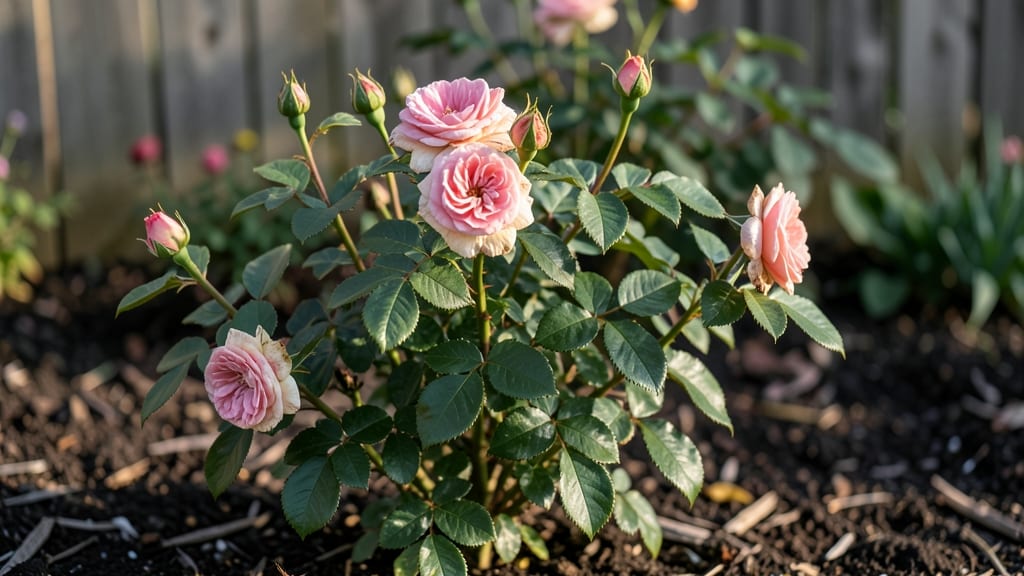
Seeing your rose petals turning brown on the edges isn’t just frustrating—it’s your plants signaling distress, and I’ve cracked the code after years of battling this with my hybrid teas. 🌹 After years of battling this issue with my own hybrid teas, I've learned the science behind it and the simple fixes that actually work.
The problem usually boils down to three culprits: fungal infections, environmental stress, or nutrient imbalances, and each one has a targeted solution.
First, let's rule out the most common suspect: black spot fungus. Those dark brown spots with yellow halos? That's your answer. But even if it's not fungal, drought stress or humidity swings can scorch petal edges just as badly.
I've seen roses with perfect centers but crispy brown edges after just one week of inconsistent watering—don't let that happen to yours.
What you'll discover is that fixing this doesn't require expensive treatments. Proper watering at the base (not overhead), regular pruning to improve airflow, and a balanced fertilizer can reverse discoloration within weeks.
The key is acting fast—once the damage spreads to the center, the bloom is done, but catching it early means saving future flowers.
This method works for all rose types, from climbers to shrubs, and the same principles apply whether you're dealing with a single bush or an entire garden. Let's get those roses looking vibrant again without the guesswork.
Understanding The Root Causes
When your rose petals develop brown edges, it’s often a sign that something’s gone awry in their care routine. Let’s break down the key culprits behind this discoloration—so you can tackle the problem at its source.
Roses are sensitive to moisture imbalances, and brown edges often signal hydration extremes. Here’s how it plays out:
- Overwatering 💦 - Why? Soggy soil cuts off oxygen to roots, leading to root rot and nutrient starvation.
The plant struggles to transport water and nutrients to petals, causing oxidative stress—where cells break down, turning edges brown. - Signs: Yellowing leaves, mushy stems, or a foul soil smell. - Fix: Let the top 1–2 inches of soil dry before watering again. Improve drainage with perlite or sand.
- Underwatering 🌵 - Why? When soil dries out, roses transpire (lose water) faster than they can absorb it. Petal edges dry out first because they’re the farthest from the water supply.
This triggers cell dehydration, causing brown, crispy edges. - Signs: Drooping leaves, dry soil pulling away from the pot, or wilting in heat. - Fix: Water deeply 2–3 times per week (adjust for climate). Use mulch to retain moisture.
Roses are delicate—extreme temperatures can scorch or freeze petal edges, leading to irreversible browning.
- Heat Stress 🔥 - Why? High temperatures (above 90°F/32°C) cause transpiration rates to skyrocket. Petals lose water faster than roots can replenish it, leading to edge burn.
Sun exposure + heat = a double whammy of dehydration. - Signs: Brown edges on sun-exposed sides of petals; wilting in afternoon heat. - Fix: Provide afternoon shade (use shade cloth or move pots). Water early morning to reduce evaporation.
- Cold Damage ❄️ - Why? Frost or sudden cold snaps (below 32°F/0°C) cause ice crystal formation in petal cells.
As water expands, it ruptures cell walls, leaving brown, papery edges. - Signs: Brown edges on all petals, often with a frostbite-like texture. - Fix: Cover roses with frost cloth before temps drop. Avoid watering before freezing nights (wet petals = heavier ice damage).
Brown edges can also stem from pathogens that thrive in moist, stressed roses.
- Botrytis Blight (Gray Mold) 🍄 - Why? This fungus loves high humidity + poor airflow. It infects petals, causing brown, mushy edges that spread inward.
Spores thrive in wet foliage (from overhead watering or rain). - Signs: Gray fuzzy growth on undersides of petals; edges turn leathery and brown. - Fix: Prune infected blooms immediately (don’t compost them!). Space plants for airflow, and water at soil level (avoid wetting petals).
- Bacterial Leaf Spot 🧫 - Why? Bacteria like Pseudomonas enter through wounds (e.g., from pruning or hail) and clog vascular tissue, starving petals of nutrients.
Edges turn brown and water-soaked before drying. - Signs: Dark brown spots with yellow halos; slimy residue when touched. - Fix: Remove infected blooms with sterilized tools. Apply copper fungicide (follow label rates). Avoid overhead watering.
Petals rely on a balanced diet—too much or too little of certain nutrients can cause browning.
- Calcium Deficiency 🧀 - Why? Calcium helps cell wall structure. Without it, petal edges become weak and prone to browning (a condition called blossom end rot in roses).
Common in acidic or waterlogged soil. - Signs: Brown edges on new blooms; stunted growth. - Fix: Amend soil with crushed eggshells or gypsum. Test soil pH—aim for 6.0–6.5.
- Salt or Chemical Burn 🧴 - Why? Over-fertilizing (especially with high-salt fertilizers) or using hard water can build up salts in the soil.
Roots absorb excess salts, which disrupt nutrient uptake, causing petal edges to brown. - Signs: Crusty soil surface; brown edges on multiple blooms. - Fix: Flush soil with water until it runs clear. Use rainwater or filtered water for watering.
Sometimes, tiny invaders or rough handling cause the browning.
- Thrips or Spider Mites 🕷️ - Why? These pests pierce petals to feed, causing necrotic (dead) brown edges. Their saliva also triggers oxidative stress in cells. - Signs: Tiny black specks (frass) on petals; silver streaks on edges. - Fix: Spray with neem oil or insecticidal soap.
Introduce ladybugs for natural control.
- Mechanical Damage 🪒 - Why? Rough handling (e.g., cutting with dull shears or brushing petals) tears cells, exposing them to air and pathogens, leading to browning. - Signs: Irregular brown patches along edges; no other symptoms. - Fix: Use sharp, sterilized pruners at a 45° angle.
Avoid touching petals when working near roses.
Not all browning is a red flag—sometimes, it’s just part of a rose’s lifecycle.
- Petal Senescence ⏳ - Why? Roses have a natural bloom cycle: edges may turn brown as they age and dry out, especially in hot weather.
This is common in hybrid teas and floribundas. - Signs: Uniform browning on older blooms; no wilting or spots. - Fix: Deadhead before edges brown to encourage new blooms. Choose disease-resistant varieties (e.g., ‘Knock Out’ roses) if browning is persistent.
- Variety-Specific Traits 🌹 - Why? Some roses (like climbing varieties) are prone to edge browning due to thin petal structure or low chlorophyll. Others may have natural pigmentation shifts in heat. - Fix: Research your rose’s care requirements.
If browning is mild and consistent, it may just be part of its charm!
Quick Fixes for Reviving Wilted Beauty
Seeing those once-vibrant rose petals turning brown on the edges can feel like a heartbreak—but don’t toss them just yet! With a little science-backed care, you can often restore their luster or even prevent further damage.
Below, we’ve mapped out the most effective solutions based on the root cause, along with prevention tips to keep your roses looking fresh for longer.
If your roses are drowning in soggy soil, their petals may start browning due to oxygen deprivation or fungal stress. Here’s how to turn things around:
- 🔥 Adjust Your Watering Routine Roses love water—but not too much! Water deeply once or twice a week (depending on climate), ensuring the top 2–3 inches of soil are moist, not waterlogged. Morning watering is ideal to allow foliage to dry before evening.
- 🍳 Improve Soil Drainage Amend heavy or compacted soil with perlite, sand, or compost to create air pockets. For potted roses, ensure the container has drainage holes and use a well-draining potting mix.
- 👨🍳 Prune Damaged Roots (If Needed) If overwatering has persisted, the roots may be rotting. Gently loosen the soil around the base and trim any mushy, dark roots with sterilized scissors. Replant with fresh, aerated soil.
💡 Prevention Tip: Use a moisture meter to check soil hydration—aim for 40–60% moisture (not bone-dry or swampy). Mulching with wood chips or straw helps regulate moisture levels.
Intense sunlight or sudden heat waves can scorch rose petals, causing brown, crispy edges. Here’s how to protect your blooms:
- 🌡️ Provide Afternoon Shade If your roses are in a full-sun location, install a lightweight shade cloth (30–50%) or move potted roses to a spot with partial shade during peak afternoon heat (12–4 PM).
- 💦 Boost Hydration During Heatwaves Water roses early in the morning to give roots time to absorb moisture before the sun evaporates it. Consider drip irrigation to deliver water directly to the roots.
- ✨ Mulch Like a Pro Apply a 2–3 inch layer of mulch (like shredded bark or pine needles) around the base to retain soil moisture and protect roots from temperature swings.
🎯 Prevention Tip: Choose heat-tolerant rose varieties like ‘Knock Out’ roses or ‘David Austin’ English roses, which handle sun better than delicate hybrids.
If brown edges are accompanied by yellowing, black spots, or powdery residue, a fungal issue like black spot or powdery mildew could be to blame. Act fast:
- 🔪 Prune Infected Leaves & Petals Snip off any brown or spotted foliage with clean pruners, then dispose of them in the trash (not compost). This stops the spread.
- 💊 Apply Fungicide Use a copper-based fungicide (like Copper Soap) or a neem oil solution (1 tsp neem oil + 1 quart water + a drop of dish soap). Spray both above and below leaves every 7–10 days until the issue clears.
- 🌿 Improve Air Circulation Fungi thrive in humid, stagnant air. Space roses 3–4 feet apart and avoid overhead watering. If growing in containers, ensure they’re not crowded.
💡 Prevention Tip: Water at the base (not the leaves) and avoid late-season fertilization, which encourages tender new growth vulnerable to fungi.
Too much (or too little) fertilizer can stress roses, leading to brown, brittle petals. Here’s how to get it right:
- 📊 Test Your Soil Use a home soil test kit to check pH (ideal: 6.0–6.5) and nutrient levels. If deficient, amend with balanced fertilizer (10-10-10) or organic compost.
- 🍎 Feed Lightly & Often Instead of one heavy dose, use a slow-release fertilizer or liquid feed every 4–6 weeks during growing season (spring–fall). Avoid fertilizing in winter.
- 💪 Boost with Micronutrients If petals still look weak, add a magnesium-rich Epsom salt spray (1 tbsp per gallon of water) or a fish emulsion for extra nutrients.
✨ Prevention Tip: Flush the soil every few months with water to prevent salt buildup from fertilizers, which can burn roots.
Sudden cold snaps or frost can shock roses, causing brown, wilted edges. Here’s how to safeguard them:
- 🛡️ Cover Tender Varieties Before freezing temps, wrap rose bushes in burlap or frost cloth and secure with stakes. For potted roses, move them to a garage or sheltered porch.
- 🔥 Use Mulch as Insulation Pile 6–8 inches of mulch around the base of roses to protect roots from freezing ground temperatures.
- 💦 Water Before Freezing A deep watering 24 hours before a frost helps roots withstand cold better. Avoid wet foliage, though—it can freeze and damage petals.
🎯 Prevention Tip: Plant hardy rose varieties like ‘Dr. Huey’ or ‘The Fairy’ if you live in USDA Zones 3–5—they tolerate colder climates better.
With these targeted fixes, your roses should bounce back—or better yet, stay vibrant from the start. The key is observation (check soil, leaves, and weather) and consistent care. Happy gardening! 🌹
Frequently asked questions about rose petal edge browning
Why do only the edges of my rose petals turn brown while the center stays fine?
This classic pattern usually signals environmental stress like dehydration or heat scorch. Petal edges are the farthest from the plant's water supply, so they dry out first when roots can't keep up. Check if you're watering deeply enough—roses need 1–2 inches of moisture per week—and avoid afternoon sun exposure during heatwaves.
Is brown edge browning always a sign of disease?
Not necessarily! While fungal issues like black spot can cause browning, it's often environmental. Check for these clues: Uniform browning on older blooms = natural aging. Crispy edges with yellowing leaves = underwatering. Mushy brown edges with gray fuzz = botrytis blight. Start with watering adjustments before reaching for fungicides.
How quickly can I expect to see improvement after making changes?
With proper care, you'll often see new blooms with healthy edges within 2–4 weeks. Existing browned blooms won't recover, but preventing further damage is key. Focus on consistent watering, afternoon shade, and removing affected flowers immediately. For fungal issues, expect 7–14 days for fungicides to take effect.
Can I still use roses with brown edges for arrangements?
Yes! Just trim off the browned edges before arranging. The rest of the petal is perfectly fine. For long-lasting bouquets, choose blooms with firm centers and no signs of wilting. Add a drop of bleach or floral preservative to your vase water to extend freshness—this prevents bacterial growth that causes rapid browning.
What's the best way to test if my rose's browning is from overwatering?
Do the finger test: Stick your finger 2 inches into the soil. If it's cool and damp, you're overwatering. Also check for yellowing leaves or mushy stems—clear signs of root rot. For confirmation, gently dig around the base: healthy roots are white or light tan, while rotting roots are dark and slimy.