
Shrubs
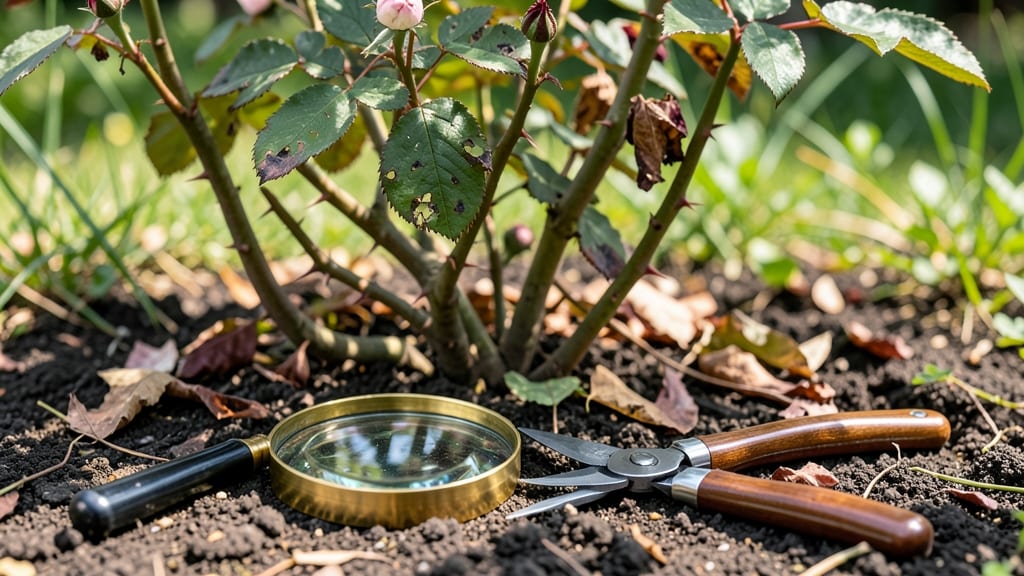
Is your rose showing signs of leaf damage, with black spots or powdery white dust marring its beauty?
That’s your roses screaming for help—and I’ve got the 3-step fix that stops the damage before it ruins your blooms. 🌹 The moment you spot those telltale signs, you’re already losing leaves, but the good news? This works even if your bushes look like they’ve been through a war.
Most damage comes from three culprits: black spot fungus (those dark, expanding splotches), powdery mildew (that chalky white coating), and pests like aphids or spider mites sucking the life out of tender leaves.
The fix isn’t complicated—just prune the worst spots, treat with the right spray, and adjust how you water. I’ve saved roses that looked hopeless in just two weeks using this exact method.
By the end, your leaves will be clean, glossy, and thriving again—no more brown edges or wilting. You’ll prune smarter, spray with confidence, and keep your roses looking like the star of the garden they’re meant to be. Let’s get those bushes back in fighting shape.
Works for hybrid teas, floribundas, and even wild roses—no matter what variety you’re growing. The key is acting fast and staying consistent. Here’s how to do it right the first time.
Hidden Culprits Behind Leaf Troubles
Rose bushes are stunning, but their leaves can quickly become a battleground for pests, diseases, and environmental stressors. Understanding the root causes of leaf damage is the first step to saving your roses.
Below, we break down the most common reasons why rose leaves develop unsightly spots, holes, or discoloration—and what’s really triggering the problem.
Pests are often the sneakiest culprits behind rose leaf damage. They don’t just nibble—they transmit diseases, weakens plants, and leave behind telltale signs like chewed edges, sticky residue, or tiny eggs.
- Aphids 🐜: These sap-sucking pests cluster on undersides of leaves, causing curled, yellowed, or sticky leaves (from honeydew). They spread viral diseases like Rose Rosette Virus.
- Japanese Beetles 🐞: Adult beetles skeletonize leaves, leaving a lacy pattern. Larvae (grubs) feed on roots, further stressing the plant.
- Spider Mites 🕷️: Tiny but destructive, they create fine webbing and cause stippling (tiny white/yellow dots) on leaves. They thrive in dry, hot conditions.
- Rose Slugs & Sawfly Larvae 🐛: These caterpillar-like pests devour entire leaves, leaving behind frass (black droppings) and skeletonized foliage.
Why it happens: Pests target stressed roses—those with poor nutrition, overcrowding, or weak immunity. Some, like aphids, are also attracted to new growth, making young leaves prime targets.
Extreme or inconsistent conditions can weaken rose leaves, making them susceptible to damage. Unlike pests, these issues are often preventable with proper care.
| Factor | How It Damages Leaves | Signs to Watch For |
|---|---|---|
| Overwatering 💦 | Leads to root rot and fungal infections (like Botrytis or Powdery Mildew). Waterlogged soil suffocates roots, starving leaves of nutrients. | Yellowing leaves, brown edges, mushy stems, or white/gray mold. |
| Underwatering 🔥 | Causes wilting and leaf scorch. Roots can’t absorb enough water, leading to crispy, brown leaf edges. | Dry, brittle leaves; curled or drooping foliage; soil pulling away from pot edges. |
| Temperature Swings ❄️☀️ | Cold snaps or sudden heat stress roses, especially tender varieties. Frost burns leaves, while extreme heat causes sunscald (white/yellow patches). | Brown, papery leaves (frost); bleached or crispy patches (heat); leaf drop. |
| Poor Airflow 🌬️ | Humid, stagnant air traps moisture on leaves, creating perfect conditions for fungal diseases like black spot (Diplocarpon rosae) or powdery mildew (Sphaerotheca pannosa). | Dark spots with yellow halos (black spot); white powdery coating (mildew). |
Why it happens: Roses need balanced conditions—consistent moisture, moderate temperatures, and airflow. When these are disrupted, the plant’s defenses weaken, inviting secondary issues like fungal infections.
Fungi are opportunistic—they don’t attack healthy roses but thrive when leaves are wet, stressed, or injured. Once established, they spread rapidly, turning vibrant foliage into a patchwork of spots and decay.
- Black Spot (Diplocarpon rosae) 🟫: The most common fungal disease in roses. It creates dark, circular spots with yellow borders and often defoliates plants if untreated.
- Powdery Mildew (Sphaerotheca pannosa) ❄️: Appears as a white, powdery coating on leaves, blocking sunlight and stunting growth. Thrives in humid, shady conditions.
- Rust (Phragmidium mucronatum) 🔥: Causes orange-brown pustules on leaf undersides. Severe infections can distort leaves and reduce flowering.
- Botrytis Blight (Botrytis cinerea) 💀: Affects older, senescent leaves, causing gray-brown, fuzzy spots. Often strikes in wet, cool weather.
Why it happens: Fungi spore in soil, mulch, or old plant debris. They germinate when leaves stay wet for prolonged periods (e.g., overhead watering, poor drainage, or high humidity). Weakened roses—from poor nutrition or pest damage—are especially vulnerable.
Roses are heavy feeders, and a lack of key nutrients can manifest as leaf discoloration, stunting, or unusual spotting. Unlike pests or fungi, these issues are often correctable with soil amendments.
| Nutrient Deficiency | Leaf Symptoms | Possible Causes |
|---|---|---|
| Nitrogen (N) 🟢 | Pale yellow or chlorotic leaves (older leaves first), stunted growth. | Poor soil, over-pruning, or lack of organic matter. |
| Magnesium (Mg) 🟡 | Interveinal chlorosis (yellowing between veins), especially on older leaves. | Compacted or acidic soil; overuse of fertilizers high in potassium. |
| Iron (Fe) 🔴 | Young leaves turn yellow between veins (while veins stay green), a condition called iron chlorosis. | Alkaline soil (pH > 7.0) or poor root development. |
| Potassium (K) ⚪ | Brown or scorched leaf edges, weak stems, increased disease susceptibility. | Overwatering, leaching from heavy rains, or imbalanced fertilizers. |
Why it happens: Nutrient deficiencies occur when soil lacks essential minerals, roots can’t absorb them (e.g., due to compaction or pH issues), or the plant is over-pruned, depleting reserves. Roses in containers are especially prone to deficiencies because nutrients leach out faster.
Not all leaf damage comes from biology—sometimes, it’s human error or environmental factors. These issues are often
Quick Fixes for Healthy Rose Leaves
Reviving your roses starts with identifying the root cause of the damage—whether it’s fungal infections, pests, or environmental stress. Below are practical, step-by-step solutions tailored to each common issue, plus prevention tips to keep your roses thriving long-term.
Fungal infections thrive in damp, shaded conditions, turning lush leaves into a sad, spotted mess. Here’s how to banish them for good:
🔥 Step 1: Prune Like a Pro
- 👨🍳 Remove infected leaves—snip off any leaves with black spots or white powdery patches.
Don’t compost them; toss them in the trash (or burn them) to prevent reinfection. - ✂️ Trim for airflow: Thin out crowded branches to improve circulation—fungi love stagnant, humid air. Aim for open, airy canopies.
🌡️ Step 2: Fungal Spray Attack (Organic or Chemical)
| Solution | How to Use | Best For |
|---|---|---|
| Baking soda spray | Mix 1 tsp baking soda + 1 quart water + a drop of dish soap. Spray every 7–10 days. | Mild infections, prevention |
| Neem oil | Combine 1 tbsp neem oil + 1 tsp mild soap + 1 quart water. Spray at dusk (avoids burning leaves). | Black spot, powdery mildew |
| Copper fungicide | Follow label instructions for weekly applications during wet seasons. | Severe or recurring infections |
💡 Pro Tip: Water at the base, not overhead, to keep leaves dry. Early morning is best—wet leaves + evening humidity = fungal party.
🌿 Step 3: Prevent Future Outbreaks
- 🌞 Space roses 3–4 feet apart for sunlight penetration.
- 🌬️ Improve drainage—fungi love soggy soil.
Amend clay soil with compost or perlite. - 🌱 Mulch properly: Use 2–3 inches of organic mulch (like straw) but keep it away from the stem to prevent moisture buildup.
Tiny invaders can sap the life out of your roses faster than you can say “roses are not snacks.” Here’s how to evict them:
🔪 Step 1: Manual Removal (Yes, Really!)
- 👨🍳 Aphids: Blast them off with a strong stream of water from your hose.
Repeat every few days until gone. - 🕷️ Spider mites: Wipe leaves with a damp cloth or spray with water to dislodge them. - 🐞 Japanese beetles: Handpick them into soapy water (they’re messy but satisfying to crush).
🍳 Step 2: Natural Pest Repellents
| Pest | Solution | Application |
|---|---|---|
| Aphids | Insecticidal soap (1 tsp per quart water) | Spray directly on pests, repeat in 5–7 days |
| Spider mites | Neem oil or horticultural oil | Spray under leaves (they hide there!) |
| Japanese beetles | Kaolin clay spray (Surround WP) | Apply weekly to create a protective barrier |
💡 Pro Tip: Ladybugs and lacewings are your free pest-control allies. Plant dill, fennel, or marigolds nearby to attract them!
🛡️ Step 3: Long-Term Pest Defense
- 🌿 Companion planting: Roses love garlic, chives, or thyme—plant them nearby to repel pests.
- 🌱 Healthy soil = strong roses: Feed roses balanced fertilizer (like 10-10-10) in spring and early summer to boost their immunity.
- 🌧️ Avoid overwatering: Wilting leaves attract pests—water deeply but infrequently.
Sometimes, the damage isn’t from invaders but from too much (or too little) of nature’s elements.
🌡️ Step 1: Adjust Care Based on Symptoms
| Issue | Fix It Fast |
|---|---|
| Sunburn (bleached spots) | Move roses to partial shade (especially in hot afternoons) or provide afternoon shade with a light cloth cover. |
| Wind damage (tattered leaves) | Stake or trellis roses in windy areas. Prune for a rounded shape to reduce sail-like drag. |
| Yellow leaves (nutrient deficiency) | Test soil and amend with:
- Iron (for yellowing between veins) → Iron chelate
- Nitrogen (for overall yellowing) → Blood meal or compost
- Magnesium (for yellow edges) → Epsom salt (1 tbsp/gallon water, foliar spray) |
✨ Step 2: Boost Rose Resilience
- 💧 Water deeply 1–2 times per week (check soil moisture—top inch should be dry before watering).
- 🌱 Mulch heavily (3–4 inches) to retain moisture and regulate soil temp.
- 🍂 Fall cleanup: Remove all debris and prune dead wood in late fall to reduce stress points.
To keep your roses spot-free and pest-free, follow this monthly maintenance routine: ✅ Spring: Prune, fertilize, and apply preventive fungicide (like neem oil). ✅ Summer: Water early, monitor for pests, and prune suckers (shoots at the base). ✅ Fall: Rake up fallen leaves, apply winter mulch, and disinfect pruners with rubbing alcohol. ✅ Winter: Protect from frost with burlap wraps if needed.
Remember: Roses are tough survivors—with the right care, they’ll bounce back faster than you think! 🌹💪 Start with one fix at a time, and soon, your roses will be flaunting healthy, vibrant leaves again.
Frequently asked questions about rose leaf damage
Why do my rose leaves develop black spots even after I prune them?
Black spot fungus (Diplocarpon rosae) thrives on wet leaves, so pruning alone won't stop it. The spores linger in soil and debris. Always remove infected leaves completely (don't compost them) and apply neem oil or copper fungicide every 7-10 days during wet seasons. Improve airflow by spacing plants 3-4 feet apart.
Is it safe to use baking soda spray on roses with powdery mildew?
Yes! Mix 1 teaspoon baking soda + 1 quart water + a drop of dish soap and spray every 7-10 days at dawn. This creates an alkaline environment mildew hates. For severe cases, alternate with neem oil (1 tbsp per quart water). Always test on a small leaf first to check for sensitivity.
How can I tell if my rose leaves are damaged by pests vs. disease?
Pest damage often has irregular holes, chewed edges, or sticky residue (honeydew) from aphids. Disease spots are usually uniform circles with yellow halos (black spot) or white powder (mildew). Check leaf undersides for tiny webs (mites) or eggs. Use a magnifying glass if needed!
Will my roses recover from severe leaf damage?
Roses are resilient. Prune back 1/3 of damaged foliage to redirect energy to new growth. Focus on root health by watering deeply 1-2 times per week and fertilizing with balanced 10-10-10 in spring. Within 4-6 weeks, you'll see fresh leaves if the roots are healthy.
Can I use the same fungicide spray on roses and other plants?
Most copper-based fungicides are safe for many plants, but neem oil and baking soda sprays are gentler and plant-specific. Always check labels—some fungicides may harm vegetables or herbs. For edibles, stick to organic options like neem or potassium bicarbonate.