
Pruning
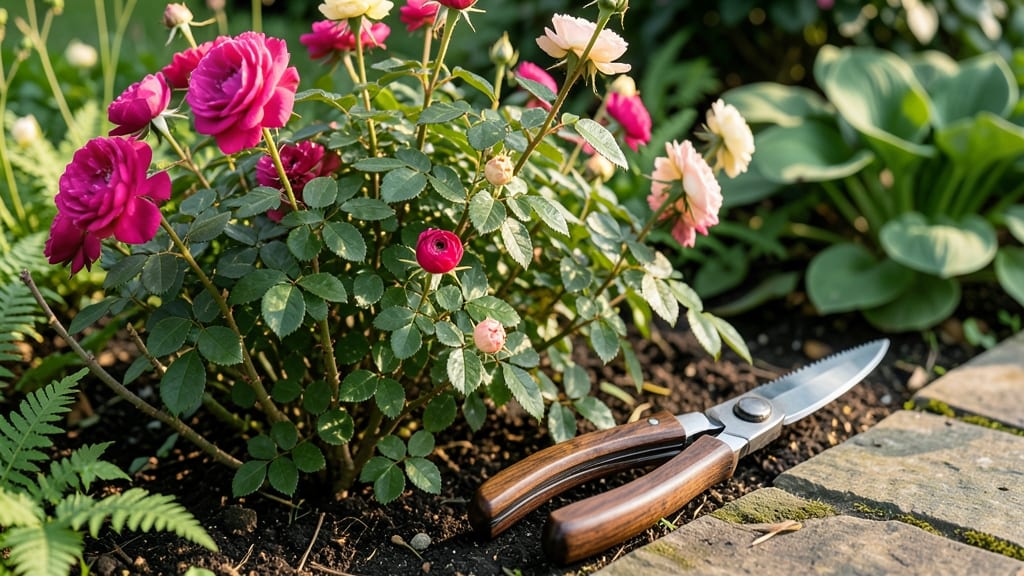
Cutting back Knock Out roses for winter isn’t just about tidying up—it’s the secret to next year’s shockingly lush blooms. ✂️ I've learned the hard way that skipping this step means leggy stems and fewer flowers, but doing it right transforms your bushes into compact, productive powerhouses.
The key is timing: wait until the leaves fall but before hard frost hits, usually between mid-November and December in most zones.
You'll need just three tools: sharp bypass pruners, a small saw for thick stems, and clean gloves. The process is simple—remove all dead, diseased, or crossing branches first, then cut back remaining canes by one-third to encourage new growth.
Think of it like giving your roses a haircut that promotes strength, not just looks. Mulch heavily afterward to protect roots from freezing temperatures.
What you end up with is a well-shaped bush that wakes up in spring ready to bloom earlier and more abundantly than ever. The difference between a pruned and unpruned Knock Out rose is like night and day—one stays compact and productive, while the other sprawls and struggles.
This works for zones 4-9, though milder climates can wait until late winter.
Here's the game-changer: don't prune too early, and never cut into old wood. I've seen gardeners make both mistakes, leading to weak regrowth or no blooms at all.
Take your time, and your roses will thank you with vibrant, continuous flowers all season long. Now grab those shears—your roses are waiting!
📚 In This Guide
- What you need
- Instructions
- Tips and common mistakes
- Wrapping up and next steps
What you need
- ● Pruning shears or loppers – Choose bypass pruners (for clean cuts) or loppers (for thicker stems). A 10-inch bypass pruner or 20-inch loppers work best for most rose bushes.
- ● Disinfectant (70% isopropyl alcohol or bleach solution) – 1 part bleach to 9 parts water to sterilize tools between cuts and prevent disease.
- ● Garden gloves – Heavy-duty, cut-resistant gloves (e.g., Fanshawe or Dr. McGregor) to protect hands from thorns and debris.
- ○ Sharpie or permanent marker – For labeling pruned stems (optional but helpful for tracking growth).
- ● Heavy-duty trash bags or compost bin – To collect pruned branches and debris.
- ○ Mulch (optional but recommended) – 4-6 inches of organic mulch (e.g., straw, shredded leaves, or wood chips) to insulate roots.
- ● Rake or leaf blower – For clearing fallen leaves/debris around the base of the rose bush.
- ● Rose fertilizer (low-nitrogen, high-phosphorus) – Apply a balanced winterizer fertilizer (e.g., 5-10-10) after pruning to boost root health.
- ○ Rose collar protector (optional) – A metal or plastic collar to shield the base from rodents or frost heave.
- ● String or twine – To loosely tie back thick canes (if needed) for wind protection.
Step-by-step guide for pruning Knock Out roses in late season
Here's how I prep my Knock Out roses for winter—keeping them healthy, strong, and ready to burst into bloom next spring.
✂️ Step 1: Time Your Pruning Perfectly
Wait until after the first hard frost when the foliage has blackened and died back completely. This usually falls between mid-November and early December, depending on your climate zone. Pruning too early exposes fresh growth to frost damage, while waiting too long risks leaving dead wood that can harbor pests.
I test by gently tugging a few leaves—if they pull away cleanly without resistance, it's time. The goal is to remove all dead foliage while preserving the plant's structure for next year's growth. This timing also prevents early spring blooms, which can get nipped by late frosts.
🌿 Step 2: Remove All Dead and Diseased Wood
Start by stripping away every leaf and stem showing signs of disease or damage. Use sharp, clean pruners to make 45-degree cuts just above an outward-facing bud. This angle helps water run off the cut, preventing rot. Look for canes that are hollow, discolored, or have blackened spots—these need complete removal.
I work systematically from the bottom up, making sure to expose the center of the plant. Knock Out roses naturally grow dense, so don't be afraid to open up the center for better airflow. This reduces humidity buildup, which is crucial for preventing fungal issues during winter dormancy.
✂️ Step 3: Shape the Plant for Next Season's Growth
Now focus on shaping rather than drastic cutting. Reduce the height by about one-third, cutting back to just above a strong outward-facing bud. Avoid cutting into old wood that's completely bare—this signals the plant to produce new growth that won't harden off properly before winter.
I step back frequently to visualize the plant's natural shape. Knock Out roses respond well to a slightly rounded form, which distributes new growth evenly. Never remove more than one-third of the plant's total volume—this ensures enough energy reserves for spring regrowth.
🪴 Step 4: Clean Up and Protect the Base
After pruning, remove all debris from the base of the plant and surrounding area. This prevents pests and diseases from overwintering. I like to spread a 2-3 inch layer of mulch around the base (but not touching the stems) to insulate roots from temperature fluctuations.
For extra protection in colder zones, I loosely mound soil or compost around the base up to the first set of buds. This creates a natural barrier against freezing winds. Just remember to remove the mound in early spring before new growth begins.
⏰ Step 5: Final Winter Prep and Monitoring
The final step is to ensure your roses have proper winter protection. In zones with below 0°F temperatures, consider wrapping the canes with burlap or frost cloth. I leave the pruned plants uncovered in my zone 7 garden, but I do add extra mulch around the root zone.
Throughout winter, check occasionally for signs of rodent activity or excessive snow accumulation. A heavy snow load can break weak canes, so gently brush off accumulation if it exceeds 6 inches. With proper prep, your Knock Out roses will emerge in spring ready to bloom continuously from early summer through fall.
Tips & tricks for perfect winter pruning of Knock Out roses
Late-season pruning sets the stage for next year's spectacular blooms—here's how to avoid common pitfalls and maximize your roses' winter resilience.
Timing Secret: The mid-November to early December window is critical because it coincides with your roses' natural dormancy period. I've learned the hard way that pruning too early (before frost) leaves tender new growth vulnerable to cold snaps, while waiting too long risks leaving dead wood that can harbor fungal spores. Look for completely blackened foliage that pulls away cleanly—this is your cue that the plant has fully entered dormancy and is ready for pruning.
Cutting Technique That Changed Everything: Those 45-degree angles in Step 2 aren't just decorative—they're functional. The sloped cut directs water away from the wound, preventing rot that could compromise the plant's winter hardiness. I use a sharp bypass pruner (never dull shears) to make clean cuts just above an outward-facing bud. This ensures new growth will emerge pointing away from the center, creating a more open, airy plant structure. Pro tip: Wipe your pruners with rubbing alcohol between cuts to prevent disease transmission.
Shape Matters More Than You Think: When reducing height by one-third in Step 3, resist the urge to make drastic cuts. I visualize the plant's natural rounded form, which distributes new growth evenly and prevents the center from becoming too dense. Remember: you're not just pruning for aesthetics—you're shaping the plant's framework for next year's blooms. The key is to maintain that one-third volume rule; exceeding it weakens the plant's energy reserves for spring regrowth.
Winter Protection Wisdom: That 2-3 inch mulch layer in Step 4 isn't just decoration—it's insulation. Organic mulch (like shredded bark) breaks down over winter, adding nutrients to the soil while maintaining consistent root-zone temperatures. For zones with below 0°F temperatures, I've found that wrapping canes with burlap creates a microclimate that prevents freeze-thaw cycles, which can crack woody stems. Just remember to remove any protective mounds in early spring before new growth begins—trapped moisture can cause rot.
Pro Tips for Cutting Back Knock Out Roses For Winter
- Late-season pruning sets the stage for next year's spectacular blooms—here's how to avoid common pitfalls and maximize your roses' winter resilience.
- Timing Secret: The mid-November to early December window is critical because it coincides with your roses' natural dormancy period.
- Cutting Technique That Changed Everything: Those 45-degree angles in Step 2 aren't just decorative—they're functional.
Frequently asked questions
Got questions about prepping your Knock Out roses for winter? You’re not alone! Here are some of the most common concerns—and straightforward answers—to help you trim with confidence.
When is the exact best time to cut back Knock Out roses?
Trim after the first hard frost (when leaves turn brown) but before temperatures drop below 20°F (-6°C). This timing balances protection from cold while avoiding late-season dieback. In most zones, late November to early December works best. Pro tip: Wait until daytime temps stay below freezing for 3–5 days to ensure dormancy.
How much should I cut back—just a little or almost to the ground?
For Knock Out roses, prune aggressively—cut back 2/3 of the plant’s height to just above a strong outward-facing bud (about 1/4 inch above). This encourages bushier growth and more blooms next spring. Avoid leaving long stems; they’re prone to disease and winter damage.
What if I miss the window and frost hits before I prune?
Don’t panic! Lightly trim dead or diseased wood anytime in winter, but hold off on heavy pruning until spring. Cover the base with 4–6 inches of mulch to insulate roots. If you’re late, focus on removing all leaf litter to prevent fungal issues.
Can I leave some stems for winter interest or wildlife?
While Knock Out roses aren’t traditional "winter structure" plants, you can leave 1–2 stems (about 3 feet tall) for mild winters if you’re in Zone 7+. Remove all dead/diseased wood first. For wildlife, avoid heavy pruning until after nesting season (spring). Bonus: Cut back the rest in early spring for a fresh start!
What if my roses look sad after pruning—too bare or leggy?
Knock Out roses may look stark post-pruning, but this is normal! They’ll rebound quickly in spring. To encourage faster regrowth, fertilize lightly in early spring with a balanced 10-10-10 formula. If growth is sparse, check for root rot or pests—prune again in spring if needed.
Are there alternatives to heavy pruning for smaller gardens?
Yes! For compact spaces, prune lightly (cut back 1/3 of the plant) and shape into a rounded form to save space. Use rose ties to support stems if needed. Knock Out roses are forgiving—even minimal pruning will yield blooms, though heavy pruning yields fuller, bushier plants long-term.
Wrapping up and next steps
Cutting back your Knock Out® roses this winter isn’t just about tidying up—it’s your secret weapon for stunning blooms next season! 🌸 By following the right steps, you’ll encourage healthier growth, prevent disease, and set the stage for a showstopping spring.
Now that you’re armed with the know-how, there’s only one step left: roll up those sleeves and get pruning!
Start with confidence—your garden will thank you. Next up? Mark your calendar for early spring to fertilize and watch your roses explode with color. Happy gardening! 🌿✨