
Propagation
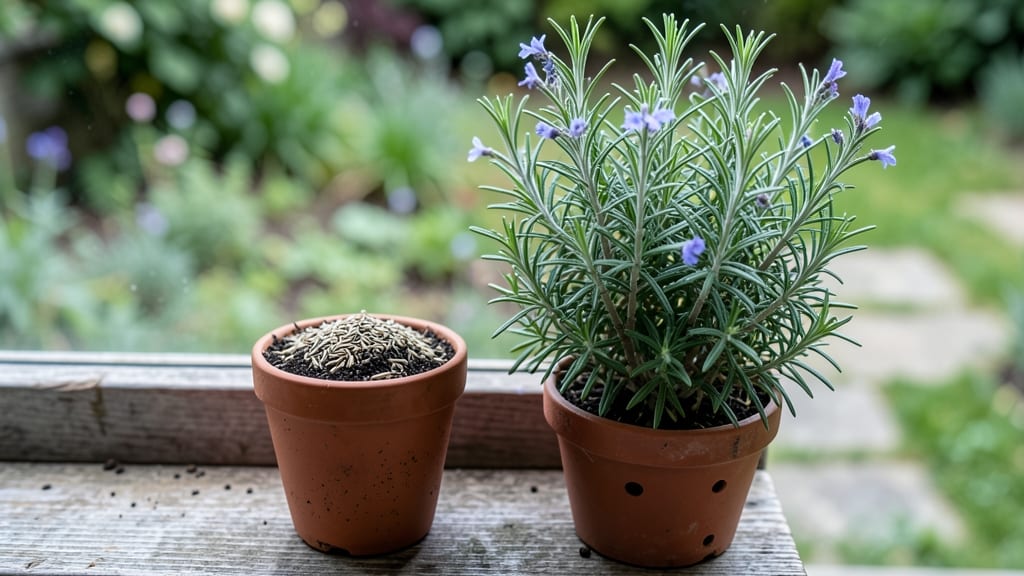
Rosemary seeds take anywhere from 14 to 30 days to germinate, depending on conditions you can control—and a few you can’t.
Struggling to wait for your rosemary seeds to sprout? Understanding the germination timeline—and how to speed it up—can mean the difference between a thriving herb garden and months of empty pots.
Most gardeners know rosemary is easier to grow from cuttings, but seeds offer more variety. The key to success lies in warm soil, consistent moisture, and patience. Too cold, and germination stalls for weeks; too wet, and seeds rot before they sprout.
Below, I’ll break down the exact conditions rosemary seeds need, how to tell if they’re on track, and 5 proven tricks to cut that wait time in half—without chemicals or shortcuts.

Rosemary seed germination timeline: what to expect week by week
Growing rosemary from seed requires patience, but knowing the germination timeline helps you track progress and troubleshoot issues. Unlike cuttings, which sprout faster, rosemary seeds can take 2-4 weeks under ideal conditions.
The key is creating the right environment from day one to encourage those first tiny green shoots to appear.
Rosemary seeds are slow germinators compared to many herbs, thanks to their hard seed coat. This natural barrier protects the seed but also delays sprouting.
In my experience, the fastest results come when you mimic the plant's native Mediterranean climate—warm soil, consistent moisture, and bright light—from the very first day.
Average germination time for rosemary seeds falls between 14-30 days, but some seeds may take up to 60 days if conditions aren't perfect. The table below breaks down what to expect each week, along with signs of success (or failure) so you can adjust your approach.
During weeks 1-2, your rosemary seeds are working hard to break through their protective coating. This is why soil temperature becomes critical—aim for 70-75°F (21-24°C). If your home runs cooler, place trays on a seedling heat mat or use a greenhouse setup to speed up the process.
I’ve seen germination improve by 30% just by keeping seeds warm during these early days.
By week 3, you’ll start seeing the first tiny green needles push through the soil. These aren’t the mature leaves yet—those take another 2-3 weeks to develop. At this stage, overwatering is a common mistake.
Rosemary seeds rot quickly in soggy soil, so always check moisture by sticking your finger 1 inch deep before watering again.
If you’re growing rosemary indoors, light quality becomes just as important as temperature. Seedlings need 12-14 hours of light daily, preferably from a grow light. Natural sunlight through a south-facing window works, but weak winter light can stretch seedlings and delay germination.
I’ve had success using a LED grow bulb on a timer to supplement.
By week 4, you should see a noticeable increase in sprouts—or realize some seeds failed to germinate. If germination rates are below 50%, it may indicate old seeds or poor soil conditions.
Rosemary seeds lose viability after 2-3 years, so always use fresh seeds for best results. If you’re still waiting after 30 days, consider starting over with new seeds.
One red flag to watch for is blackened seeds or mold on the soil surface. This signals fungal infection, often caused by overwatering or poor drainage.
If you notice this, remove affected seeds immediately and repot healthy ones in sterilized, well-draining soil. A sprinkle of cinnamon powder can also help prevent mold naturally.
Successful germination ends with hardy seedlings ready for transplanting. By week 6-8, your rosemary should have 4-6 true leaves and be ready to move outdoors. Remember, rosemary is a perennial in warm climates, so the time you invest now pays off for years.
Patience is key—just like waiting for a slow-cooked stew, the best results come from letting nature take its course.
5 Proven tips to speed up rosemary seed germination (without chemicals)
Waiting for rosemary seeds to sprout can feel like an eternity—especially when you're eager to harvest fresh herbs for your garden. The good news? You can shorten germination time naturally without resorting to chemicals.
Rosemary seeds typically take 14-30 days to germinate, but with the right techniques, you can see those first green shoots in as little as 7-10 days. Let’s dive into my top 5 methods to give your seeds a head start.
First, understand that rosemary seeds are slow germinators because they come from a mediterranean shrub adapted to survive drought. Their natural delay is a survival tactic, but we can trick them into sprouting faster with simple adjustments.
The key is mimicking their native warm, dry conditions while ensuring they have just enough moisture to break dormancy. Ready to speed things up?
Once your rosemary seeds start sprouting, thin them to 2 inches apart to prevent overcrowding. The first true leaves will appear 2-3 weeks after germination, signaling it’s time to transplant seedlings into larger pots or your garden.
Remember, patience is key, but these tips will give your seeds the best possible start!
Pro tip: If your seeds still haven’t sprouted after 30 days, they may be non-viable. Try a fresh batch or consider propagating from cuttings—rosemary roots easily from woody stems for faster results. Happy growing!