
Planting
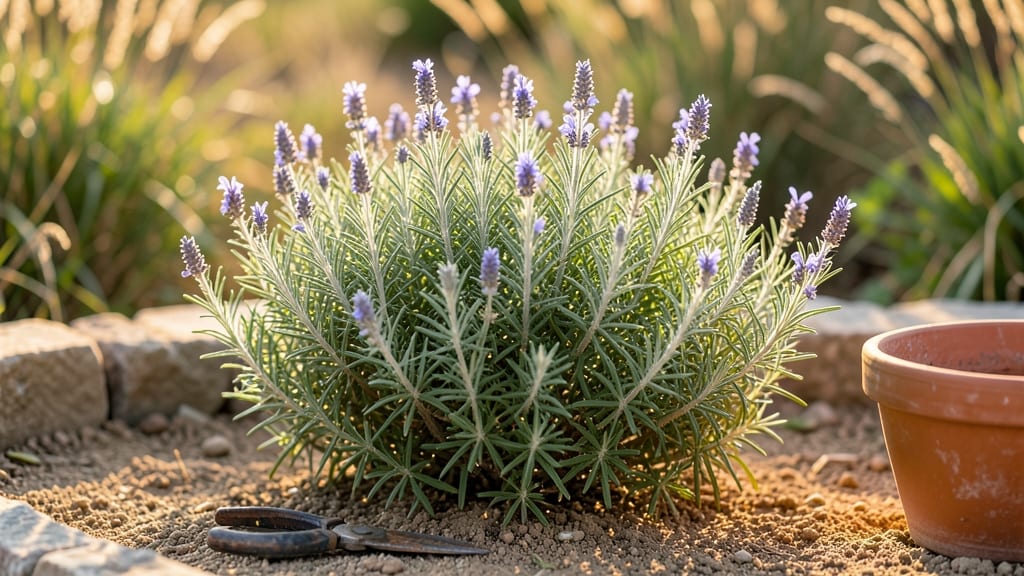
Proper rosemary plant spacing—18 to 24 inches between stems—is the secret to lush, fragrant bushes, not the stunted, woody plants you’ll end up with if you crowd them. 🌿 I learned this the hard way after cramming three rosemary plants into a...
2-foot square and watching them fight for sunlight, leaving me with sparse, bitter-tasting growth. The right spacing isn’t just about aesthetics; it’s about airflow that keeps pests away and prevents fungal diseases from taking hold.
In garden beds, aim for 24 inches between plants to give them room to spread naturally. If you’re growing rosemary in containers, one plant per 5-gallon pot works perfectly—just make sure the container has drainage holes to prevent soggy roots.
The key is mimicking its Mediterranean habitat: rosemary hates crowded, damp conditions but loves bright light and well-draining soil. Mix in some sand or perlite to keep the roots happy, and you’ll reward yourself with a plant that stays lush and aromatic all year.
Proper spacing also means fewer pruning headaches. When rosemary has room to breathe, it grows fuller and more compact, so you’ll spend less time trimming back leggy branches. Plus, the leaves stay tender and flavorful—perfect for cooking or garnishing dishes.
If you’re growing multiple varieties, like upright and trailing types, give them extra space to prevent one from shading out the other.
For those in cooler climates, rosemary can be grown as an annual, but with the right spacing and a sunny spot, it’ll reward you with years of growth if treated well. Pair it with lavender, thyme, or sage for a Mediterranean herb garden that’s both beautiful and functional.
The payoff? A fragrant, low-maintenance plant that’s impossible to kill once you get the spacing right.
📚 In This Guide
- What you need
- Instructions
- Tips and common mistakes
- Wrapping up and next steps
What you need
- ● Rosemary plants: 3–6 healthy nursery-grown rosemary plants (choose Rosmarinus officinalis for best results).
- ● Well-draining soil: 1–2 bags of cactus/succulent mix or amend garden soil with perlite or coarse sand (5–10% by volume).
- ● Organic compost: 1–2 gallons of compost or aged manure (blend into soil for nutrients).
- ○ Slow-release fertilizer: 1 lb of 10-10-10 or balanced organic fertilizer (optional but recommended).
- ● Mulch: 1–2 bags of gravel, pebbles, or straw (to retain moisture and deter weeds).
- ● Garden trowel or shovel: For digging holes (6–8 inches deep).
- ● Measuring tape or ruler: To ensure 18–24 inch spacing between plants.
- ● Watering can or hose with a gentle nozzle: Rosemary hates soggy roots!
- ○ Gloves (optional): For comfort while handling soil or thorny stems.
- ○ Pruning shears (optional): For trimming leggy growth post-planting.
- ● A sunny location with 6+ hours of direct sunlight daily (rosemary is a sun-worshipper!).
- ● Good drainage: Avoid low-lying areas where water pools.
- ● Patience! Rosemary grows slowly but thrives with proper spacing.
Step-by-Step guide for rosemary plant spacing
Here's the simple spacing system I use to grow rosemary that stays bushy and thrives in full sun.
🌱 Step 1: Understand Rosemary's Natural Growth Habit
Rosemary grows as a woody shrub, not a sprawling ground cover. In the wild, it spreads 12-24 inches wide but only grows 3-6 feet tall. This means spacing determines whether you get a single bushy plant or multiple small ones competing for space.
I always think of rosemary as a "personal space" plant—it doesn't like being crowded. When you plant too close, stems grow thin and leggy as they reach for light, and the center becomes bare. You'll see this when branches spread outward but leaves cluster only at the tips.
☀️ Step 2: Space for Full Sun Exposure
Rosemary needs 6-8 hours of direct sun daily to thrive, so spacing affects how much light each plant gets. In full sun gardens, space plants 3-4 feet apart in all directions. This gives each plant enough room to develop a strong root system and prevents shading from neighboring plants.
If your garden gets only partial sun (4-6 hours), reduce spacing to 2-3 feet—but expect slower growth and less intense flavor. Watch for yellowing leaves or stunted growth; these are signs the plant isn't getting enough light to support its spacing.
🪴 Step 3: Adjust for Container or Garden Planting
For in-ground planting, dig holes twice as wide as the root ball but no deeper. The top of the root ball should sit flush with the soil surface—burying too deep suffocates the plant. Space 4 feet apart for a tidy, low-maintenance hedge or 6 feet apart for individual specimen plants.
In containers, rosemary thrives in 5-gallon pots or larger with one plant per container. If you must plant multiple in one pot, space them 12-18 inches apart and use a well-draining mix (equal parts potting soil, perlite, and coarse sand). You'll notice container-grown rosemary grows faster but may need pruning to control height.
✂️ Step 4: Prune to Encourage Bushier Growth
After planting, prune back one-third of the new growth to encourage branching. Use clean, sharp shears to cut just above a leaf node (the bump where leaves attach). This forces the plant to grow outward instead of upward, creating that lush, bushy look.
I prune again in late spring to shape the plant and remove any woody stems at the base. Regular pruning keeps rosemary compact and prevents it from becoming leggy—especially important if you planted it too close to begin with. You'll see new growth within 2-3 weeks of pruning.
💧 Step 5: Monitor and Adjust Over Time
Check spacing after 6-8 weeks—this is when rosemary's true growth habit becomes clear. If plants look crowded (branches touching or leaves rubbing), thin them out by removing the smallest or weakest stems at the base. You'll know it's time when you see bare stems in the center of the plant.
In drought-prone areas, closer spacing (2-3 feet) helps retain moisture, but in wet climates, give plants extra room (4-5 feet) to prevent fungal issues. Adjust watering too—closer plants need less frequent deep watering, while spaced-out plants may dry out faster.
Tips & tricks for perfect rosemary plant spacing
These small adjustments make all the difference between leggy stems and lush, bushy rosemary.
Sunlight Strategy: The 6-8 hours of direct sun mentioned in Step 2 is non-negotiable for flavorful rosemary. I've learned the hard way—when plants get less than 6 hours, they grow slowly and taste milder. If your garden gets partial sun, consider planting in a raised bed where you can control spacing and sunlight exposure better. You'll notice the difference in just a few weeks!
Root Ball Placement: When planting in-ground (Step 3), don't be tempted to bury the root ball deeper than the soil line. The top should always remain visible—this prevents suffocation and encourages strong root growth. I've seen plants struggle when buried too deep, with yellowing leaves appearing within weeks. A simple trick: use a marker on your shovel to track soil depth during planting.
Container Considerations: For container growing, remember that 5-gallon pots are the minimum size for one rosemary plant. If you try to squeeze two plants into one container, you'll end up with crowded stems and poor airflow. I've had success with 7-gallon pots for two plants, spaced 12-18 inches apart, but only when using a well-draining mix. This prevents root competition and fungal issues that come from overcrowding.
Pruning Timing: The late spring pruning in Step 4 is perfect for shaping your plant, but don't skip the initial one-third pruning after planting. This early cut forces the plant to branch out instead of growing tall and leggy. I've seen dramatic differences—plants pruned this way develop fuller shapes within just 2-3 weeks, while unpruned plants remain sparse at the base.
Pro Tips for Rosemary Plant Spacing
- These small adjustments make all the difference between leggy stems and lush, bushy rosemary.
- Sunlight Strategy: The 6-8 hours of direct sun mentioned in Step 2 is non-negotiable for flavorful rosemary.
- Root Ball Placement: When planting in-ground (Step 3), don't be tempted to bury the root ball deeper than the soil line.
Frequently asked questions
Got questions about rosemary spacing? You’re not alone!
Here are answers to the most common concerns—whether you're a first-time gardener or a seasoned green thumb tweaking your layout.
How close can I plant rosemary together?
For bushy growth, space rosemary plants 18–24 inches apart in rows 2–3 feet apart. If you’re growing them in containers, leave 6–12 inches between pots to prevent overcrowding. Overpacking leads to poor airflow, inviting pests and fungal diseases.
When is the best time to space rosemary plants?
Plant rosemary in early spring (after the last frost) or late summer for the best root establishment. Avoid transplanting in extreme heat—rosemary hates soggy roots! If you’re dividing mature plants, do it in spring when new growth begins.
Can I grow rosemary too close in containers?
Yes, but with caution! In containers, 1–2 plants per 12-inch pot works, but they’ll need pruning to stay compact. Overcrowding in pots leads to root competition, stunting growth. Use well-draining soil and elevate pots to prevent waterlogging.
What if my rosemary looks crowded after planting?
Prune back leggy stems by 1/3 to encourage bushier growth. If roots are visibly tangled, gently separate them when repotting. Avoid fertilizing heavily—rosemary thrives in lean soil. Space adjustments may be needed if you notice yellowing leaves (a sign of stress).
Does rosemary spacing change in full sun vs. partial shade?
Rosemary loves full sun (6+ hours/day), so spacing stays the same—18–24 inches apart. In partial shade, plants may grow slower and need slightly more space (24–30 inches) to compensate. Always prioritize airflow to prevent mildew.
Wrapping up and next steps
Perfecting your rosemary plant spacing is the secret to thriving, fragrant bushes that’ll impress your garden—and your kitchen! 🌿 Whether you’re planting in pots or the ground, remember: sunlight, airflow, and patience are your best friends.
Start small, adjust as needed, and soon you’ll enjoy a lush, aromatic harvest year after year.
Ready to take the next step? Grab your pruners, mark your spacing, and dive in! Your future rosemary plants (and your taste buds) will thank you.