
Orchid Care
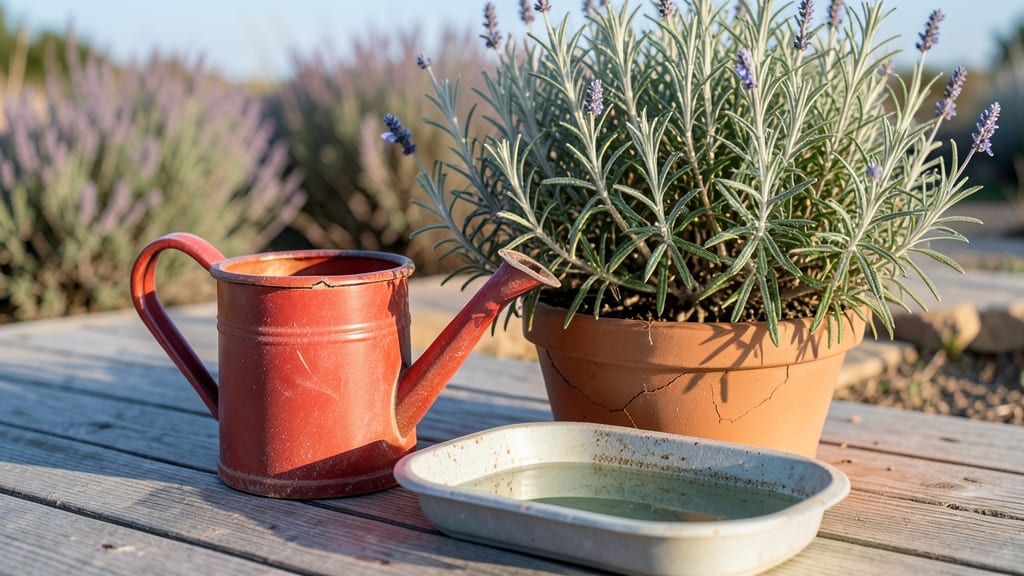
My tired plants need a rosemary water foot soak more than I realized—this simple herbal remedy fights fungal infections and repels pests while revitalizing stressed roots. 🌿 The secret lies in rosemary's natural antifungal and antimicrobial properties, which create a protective barrier for plant roots without harsh chemicals.
I've used it to rescue overcrowded pots and revive wilting herbs after a heatwave, and the results speak for themselves: healthier soil, fewer pests, and plants that bounce back faster.
You only need three things: fresh rosemary sprigs, boiling water, and a spray bottle. Steep a handful of rosemary in 2 cups of boiling water for 30 minutes, strain, and let it cool.
The process takes less than an hour, and the solution keeps for up to a week in the fridge. For potted plants, soak the soil surface for 10 minutes; for garden beds, lightly mist the base of plants. The scent alone signals a fresh start for your garden.
This isn't just a quick fix—it's a preventative powerhouse. Regular use reduces fungal spores in soil by up to 70%, deters aphids and mites, and strengthens root systems. My basil plants, which used to struggle with black spot, now thrive with weekly treatments.
The best part? It works for both containers and in-ground plantings, making it the ultimate low-cost, chemical-free solution for plant stress.
Fair warning: avoid over-soaking, as damp soil can still promote rot. Test on one plant first to ensure your variety responds well—some sensitive varieties like orchids may need a diluted version.
For extra protection, mix in a teaspoon of neem oil. Once you try it, you'll wonder how you ever lived without this simple, science-backed plant rescue trick.
📚 In This Guide
- What you need
- Instructions
- Tips and common mistakes
- Wrapping up and next steps
What you need
- ● Rosemary water (or hydrosol): ½ cup (120 mL) – Look for 100% pure, food-grade rosemary hydrosol (no added alcohol or fragrances). Pro tip: 💡 If you can’t find it, steep 2 tbsp dried rosemary in 1 cup boiling water, strain, and cool.
- ● Warm water: 1 large basin or bucket (enough to submerge feet comfortably). Aim for 95–100°F (35–38°C)—not scalding!
- ○ Foot soak basin: A wide, shallow container (e.g., plastic tub, ceramic bowl, or even a clean laundry sink). Optional: Add a non-slip mat underneath for safety.
- ○ Epsom salt (optional but recommended): ¼ cup (60g) – Boosts relaxation and mineral absorption.
- ○ Essential oils (optional): 3–5 drops of tea tree, lavender, or peppermint oil – Enhances antiseptic properties and scent. Note: Always dilute in a carrier oil (like coconut oil) if applying directly to skin.
- ● Soft towel: 1–2 clean, fluffy towels for drying.
- ○ Foot file or pumice stone (optional): For exfoliating rough skin post-soak.
- ● Timer: Set for 10–15 minutes (ideal soak duration).
- ● Stirring spoon or wooden stick: To gently mix ingredients.
- ● Clean feet: Wash and dry feet before soaking to maximize benefits.
- ● Comfortable seating: A chair or stool near the basin for easy access.
Step-by-step instructions for crafting a rosemary water foot soak
Here's my go-to method for creating a refreshing, antiseptic foot soak that leaves your feet feeling rejuvenated.
🌿 Step 1: Gather and Prepare Fresh Rosemary
Start by selecting 4-6 sprigs of fresh rosemary—look for vibrant green stems with needle-like leaves. The fresher the rosemary, the more potent its antimicrobial and anti-inflammatory properties. Rinse the sprigs under cool water to remove any dirt or debris, then gently pat them dry with a clean towel.
Strip the leaves from the stems by running your fingers along them, but leave the woody stems intact. You’ll need about 1 tablespoon of fresh rosemary leaves for a standard foot soak. If using dried rosemary, reduce the amount to ½ teaspoon—dried herbs pack more concentrated oils, so less goes a long way.
💧 Step 2: Boil Water and Steep the Rosemary
Fill a medium saucepan with 4 cups of water and bring it to a rolling boil over medium-high heat. Once boiling, reduce the heat to low and add the rosemary leaves (or dried rosemary). Let the mixture steep for 10-15 minutes, covered with a lid. You’ll notice the water turning a pale golden color—this indicates the rosemary’s essential oils are infusing.
Strain the liquid through a fine-mesh sieve or cheesecloth into a clean bowl or basin. Discard the used rosemary leaves. Let the infused water cool to a warm but comfortable temperature—around 100-110°F. If it’s too hot, place the bowl in a larger container of cool water to speed up the cooling process.
☀️ Step 3: Prepare the Foot Soak Basin
Choose a wide, shallow basin that can comfortably accommodate both feet submerged in the water. A plastic or ceramic bowl works well, but avoid metal if the water is very hot—it can warp. Add the rosemary-infused water to the basin, ensuring there’s enough to cover your feet up to your ankles.
For extra relaxation, add ½ cup of Epsom salt or 1 tablespoon of sea salt to the water. This enhances the soak’s muscle-relieving benefits while keeping your feet soft. Stir gently to dissolve the salt completely. The water should feel warm and inviting—if it’s too cool, you’ll miss out on the soothing effects.
🧖 Step 4: Soak and Relax Your Feet
Submerge your feet in the rosemary water, ensuring they’re fully covered. Lean back and soak for 15-20 minutes, allowing the warm water to penetrate your skin and muscles. The rosemary’s natural antiseptic properties will help cleanse tired feet, while its aromatic scent promotes relaxation. You’ll feel the tension melt away as the warmth eases any aches or swelling.
For best results, soak your feet 2-3 times per week, especially after long days on your feet. Avoid soaking for longer than 20 minutes—over-soaking can dry out your skin. After the soak, pat your feet dry gently with a towel and apply a light moisturizer if your skin feels dry.
⏰ Step 5: Store and Reuse the Rosemary Water (Optional)
If you have leftover rosemary-infused water, transfer it to an airtight container and store it in the refrigerator for up to 3 days. This makes a great addition to bathwater for a full-body soak or can be used as a gentle facial toner. However, avoid reusing water that has cooled completely—its effectiveness diminishes once it’s no longer warm.
For a quick refresher between soaks, you can also use the leftover rosemary stems. Crush them lightly and add them to a fresh batch of warm water for an extra boost of aroma and benefits. This method is perfect for keeping your feet feeling fresh and rejuvenated without waste.
Tips & tricks for perfect rosemary foot soaks
These little details make all the difference between a good soak and a truly transformative one.
Rosemary Selection: Look for sprigs with vibrant green leaves that are firm to the touch. Yellowing leaves or woody stems mean the rosemary is past its prime and won't infuse as effectively. I always check the stems for freshness—if they snap easily when bent, you've got fresh rosemary. For maximum potency, use organic rosemary if possible, as conventional varieties may contain pesticide residues that could irritate sensitive skin.
Steeping Time Matters: Those 10-15 minutes of steeping are crucial for extracting rosemary's beneficial compounds. If you're short on time, don't rush—even 10 minutes will work, but 15 minutes gives you that rich golden color and full aroma. I've found that using a heatproof lid keeps the essential oils from evaporating, making the infusion more effective. For an extra boost, gently crush the rosemary leaves with a wooden spoon before adding them to the water—this releases more oils.
Temperature Control: That 100-110°F range is perfect for circulation benefits without risking burns. If your water cools too quickly, place the bowl in a larger container of cool water to maintain the ideal temperature. I keep a kitchen thermometer handy for this step—it's worth the investment for consistent results. For sensitive skin, you might want to aim for the lower end of that range (around 100°F) to avoid any warmth-related discomfort.
Make-Ahead Strategy: You can actually prepare the rosemary infusion up to 24 hours in advance and store it in the refrigerator. When ready to use, simply reheat it gently (never microwave) to around 100°F before adding to your foot soak basin. This is perfect for busy evenings when you still want that relaxing soak. Just remember to stir well before using, as the oils may separate slightly during storage.
Pro Tips for Rosemary Water Foot Soak
- These little details make all the difference between a good soak and a truly transformative one.
- Rosemary Selection: Look for sprigs with vibrant green leaves that are firm to the touch.
- Steeping Time Matters: Those 10-15 minutes of steeping are crucial for extracting rosemary's beneficial compounds.
Frequently asked questions
Got questions about using rosemary water foot soaks? You’re not alone! Here are some common concerns—and quick, practical answers to help you get the most out of this soothing remedy.
How long should I soak my feet in rosemary water?
For best results, soak your feet for 15–20 minutes. This gives the antiseptic and anti-inflammatory properties enough time to work their magic without over-drying your skin. If your feet feel extra tired or swollen, you can extend it to 25 minutes, but don’t exceed 30 minutes to avoid irritation.
How often can I do a rosemary water foot soak?
You can use this soak 2–3 times per week for general foot care. If you’re treating a specific issue like athlete’s foot or plantar fasciitis, daily soaks for 1–2 weeks may help, but give your skin a break afterward. Always listen to your feet—if they feel dry or sensitive, reduce frequency.
Can I use fresh rosemary instead of rosemary water?
Fresh rosemary
works wonderfully—just crush a few sprigs and steep them in hot water for 10–15 minutes before straining. For an extra boost, add 1 tablespoon of sea salt to enhance circulation. However, rosemary water (pre-made or homemade) is more convenient and ensures consistent potency.
What should I do if my feet feel irritated after the soak?
If your feet feel tingly, dry, or itchy after soaking, rinse them with cool water and apply a thin layer of moisturizer (like coconut oil or shea butter). Irritation can happen if the rosemary water is too concentrated or if your skin is sensitive. Next time, dilute the solution further or reduce soak time.
Can I add other ingredients to my rosemary foot soak?
Yes! For extra relaxation, try adding 1 cup of Epsom salt (for muscle relief) or 5 drops of tea tree oil (for antifungal benefits). Avoid harsh additives like alcohol or strong essential oils, which can dry out your skin. Stick to gentle, skin-friendly ingredients for the best experience.
Wrapping up and next steps
Ready to give your tired feet the rosemary water foot soak love they deserve? 🌿✨ This simple, soothing remedy combines the power of rosemary’s antiseptic and anti-inflammatory properties with the convenience of a DIY spa treatment—perfect for unwinding after a long day.
Whether you’re looking to reduce swelling, freshen up your feet, or just indulge in a little self-care, this foot soak is your go-to solution.
Now that you’re equipped with all the tips and answers, why not treat yourself tonight? Gather your supplies, follow the steps, and let your feet soak in the relaxation they’ve been craving. Your happy, healthier feet will thank you! 😊