
Pruning
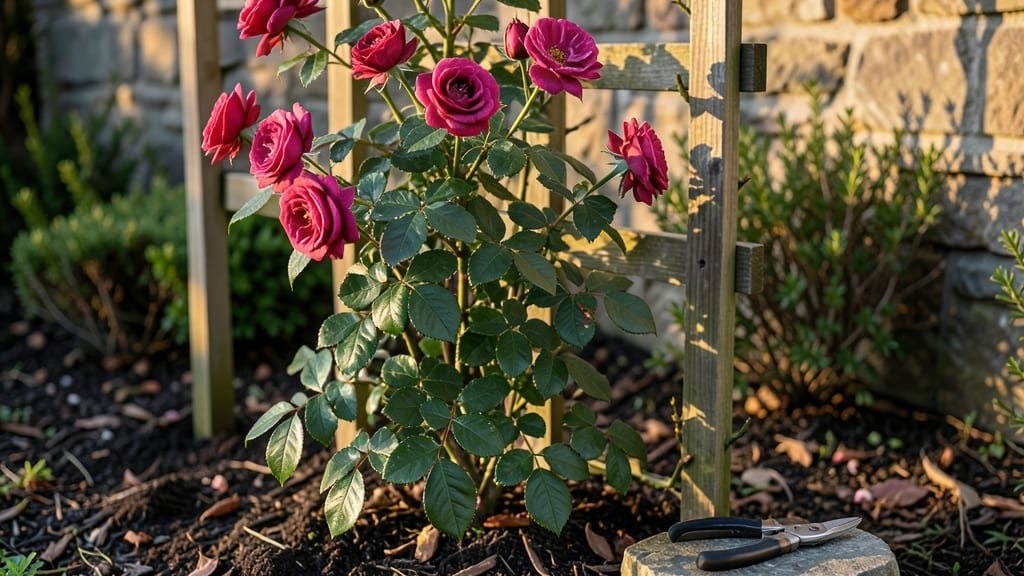
Growing six-foot roses to their full height and beauty requires more than just sunshine and water—it’s all about the right pruning techniques and timing.
Struggling to maintain your six-foot roses at the perfect height without sacrificing blooms? Proper pruning is the secret weapon every gardener needs—but timing, technique, and tools make all the difference.
In this guide, you’ll discover how to select the best rose varieties for height, master the art of seasonal pruning, and use the right tools to keep your 🌹 thriving at six feet tall.
From early spring cuts to late-season shaping, we’ll cover everything you need to achieve perfect height control while keeping your roses healthy and blooming all season.
When and how to prune six foot roses for optimal height
Pruning your six-foot roses at the right time and with the correct technique is the key to maintaining their height while ensuring a bountiful bloom every season. Many gardeners make the mistake of pruning at the wrong time or cutting too aggressively, which can stunt growth or invite disease.
The best time to prune is early spring, just as new growth begins, but there are nuances depending on your climate and the specific rose variety.
For most six-foot roses, the ideal pruning window is late winter to early spring, before buds swell but after the worst cold snaps have passed. This timing encourages vigorous new growth while preserving the plant's energy reserves.
If you live in a warmer climate (USDA zones 8-10), you can prune as late as February, but in colder regions, wait until March or April to avoid frost damage.
Never prune in fall—this can leave your roses vulnerable to winter dieback. Late-season pruning also removes next year's blooms, as flower buds form on new wood during the growing season.
The goal is to shape your roses while promoting airflow and sunlight penetration to the center of the plant, which reduces disease risk and encourages more blooms.
Step-by-Step Pruning Guide for Six-Foot Roses
- 1 Gather your tools: Use bypass pruners for small stems, loppers for thicker branches, and a pruning saw for any stubborn wood. Sterilize tools with rubbing alcohol to prevent disease spread.
- 2 Remove dead or diseased wood: Look for blackened, mushy, or hollow stems. Cut these out first, making your cuts 45-degree angles about ¼ inch above a healthy bud or outward-facing branch.
- 3 Shape the plant: Aim for an open-center form. Remove crossing branches and inward-growing stems. Leave 3-5 main stems for hybrid teas or floribundas to encourage strong structure.
- 4 Thin out crowded areas: Focus on the center of the plant to improve airflow. Remove weak or spindly growth, cutting just above an outward-facing bud to encourage new growth in the right direction.
- 5 Seal large cuts: For stems thicker than ½ inch, apply pruning sealant (organic or chemical) to prevent disease entry. Skip sealant for small cuts, as it can trap moisture.
- 6 Clean up: Remove all pruned debris from the garden bed and sterilize your tools again. Dispose of diseased wood in the trash, not the compost pile.
One of the biggest mistakes I see gardeners make is over-pruning their six-foot roses, which can lead to leggy growth or fewer blooms. As a rule of thumb, never remove more than ⅓ of the plant's total growth in one season.
For example, if your rose is 6 feet tall, aim to keep it between 4 and 5 feet after pruning to maintain its height while encouraging new, bushy growth.
Another critical error is cutting into old wood (wood that's at least 2 years old). Roses bloom on new wood, so pruning back to old wood removes next year's flower buds.
Always make your cuts just above a healthy outward-facing bud—this ensures new growth will angle outward, improving the plant's structure and airflow.
After pruning, your six-foot roses will need extra care to recover. Water deeply to help the plant establish new roots, and apply a balanced fertilizer (like 10-10-10) to encourage vigorous regrowth. Avoid heavy fertilization right after pruning, as this can lead to soft, weak growth that's prone to disease.
In the weeks following pruning, monitor your roses for signs of stress, such as yellowing leaves or wilting. If you notice these symptoms, reduce watering slightly and ensure the plant is getting full sun.
Mulch around the base with 2-3 inches of organic mulch to retain moisture and regulate soil temperature.
Best tools and techniques for neat six-foot rose height control
Keeping your six-foot roses at the perfect height requires the right pruning tools and techniques. The wrong approach can lead to overgrowth, weak stems, or even disease.
I’ve pruned my own roses for years, and I’ve learned that sharp tools and proper cutting angles make all the difference in maintaining that elegant, controlled height while maximizing blooms.
Start with the three essential tools: bypass pruners for small stems, loppers for thicker branches, and a pruning saw for the thickest canes. These tools ensure clean cuts that heal faster and reduce the risk of disease entry points.
I always sterilize my tools with rubbing alcohol between cuts to prevent spreading rose-specific pathogens like black spot.
| Tool | Best For | Cut Size | Treatment |
|---|---|---|---|
| Bypass Pruners | New growth, small canes | Up to ½ inch | Seal with pruning paste (optional) |
| Loppers | Medium branches, ½-1 inch | ½-1 inch | Seal with organic sealant |
| Pruning Saw | Thick canes, 1+ inch | 1+ inch | Seal with sulfur-based paste |
| Organic Sealant | All cuts (natural) | Any size | Beeswax + cinnamon |
| Chemical Sealant | Large cuts (fast healing) | 1+ inch | Pruning paste with copper |
When making cuts, always aim for a 45-degree angle just above an outward-facing bud. This encourages new growth to spread outward, improving airflow and reducing disease risk.
I like to shape my roses into an open vase form—this creates space between branches for sunlight to penetrate all the way to the center, which boosts bloom production.
After pruning, sealing cuts is optional but helpful, especially in humid climates. I use a homemade organic sealant made from beeswax and cinnamon for small cuts, while larger wounds benefit from a commercial pruning paste with copper to prevent fungal infections.
The key is to avoid sealing cuts on thick canes, as they heal naturally with time.
For height control, focus on removing one-third of the oldest canes each year to encourage new growth. This keeps your roses compact while maintaining their six-foot stature.
I also recommend removing any suckers (shoots growing below the graft) immediately—they divert energy from your desired height and can weaken the plant.
Finally, never prune in late summer or fall, as new growth won’t have time to harden off before winter. Stick to early spring or late winter when the plant is dormant, and you’ll see the best results in bloom quantity and neat height control all season long. 🌹