
Diseases
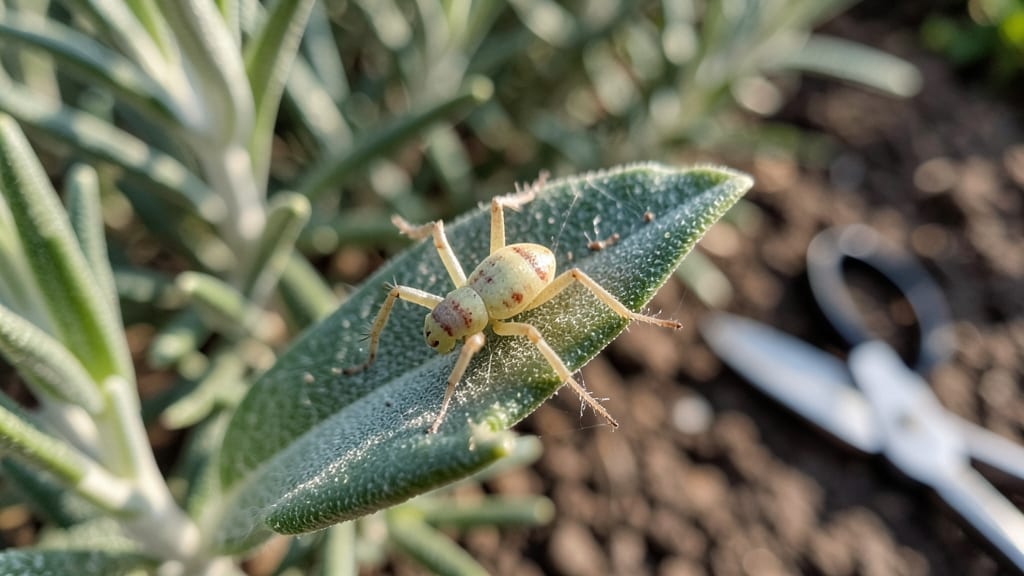
Before you dismiss those tiny yellow specks as harmless, check out these spider mite rosemary diseases pictures—they’re a sign your plant’s life is in serious trouble. 🌿 I’ve seen rosemary go from fragrant and lush to crispy and sad in just a few weeks. and the first sign is always those barely visible webs between the leaves.
The real damage happens fast: leaves turn yellow or white, then brown and crisp up like overcooked bacon. Worse, spider mites thrive in dry, hot conditions, so if your rosemary is near a sunny window or outdoor heat, you’re basically handing them a welcome mat.
But here’s the good news—you can turn this around with the right treatment. Once you spot the webbing or stippled leaves, act fast with a strong spray of water to knock them off, then treat with neem oil or insecticidal soap.
Repeat every 5-7 days until the mites disappear, and keep your rosemary’s environment humid to deter them. The key is catching it early—before the plant looks like a sad, crunchy skeleton. This isn’t just about saving your rosemary; it’s about protecting the rest of your garden.
Spider mites spread like wildfire, so isolate the plant and check nearby herbs. With the right approach, your rosemary can bounce back—and you’ll spot these pests before they become a full-blown crisis.
Root Causes Of Rosemary Infestations
Spider mites thriving on rosemary aren’t just a random pest problem—they’re the result of specific environmental and plant health factors. Understanding these causes is the first step to preventing and managing outbreaks.
Below, we break down the key reasons why spider mites target rosemary, along with the science behind each trigger.
---
Spider mites love dry, stagnant air because it creates the perfect conditions for their rapid reproduction. Rosemary, a drought-tolerant Mediterranean herb, thrives in well-draining soil and dry climates—but when grown in high-humidity environments (especially indoors or in greenhouses), its leaves become a buffet for mites.
- Why it happens: - Low humidity (<40%) weakens rosemary’s natural defenses, making it more susceptible to mite attacks. - Stagnant air traps mite webs and prevents natural predators (like ladybugs or lacewings) from reaching the plants. - Overcrowded plants block airflow, creating microclimates where mites flourish.
- Actionable fix: - Use a hygrometer to monitor humidity—aim for 40-60%. - Space rosemary plants 12-18 inches apart to improve airflow. - Place a small fan near potted rosemary to simulate natural wind.
---
Rosemary is adapted to hot, dry climates, but when exposed to sudden heatwaves or underwatering, its leaves become crispy and dusty—ideal for spider mites. These pests prefer stressed plants because their weakened cell walls make it easier to pierce and feed on sap.
- Why it happens: - Underwatering causes rosemary to wilt, reducing its ability to produce protective oils (like rosmarinic acid), which naturally repel pests. - Overheating (especially in containers) leads to leaf curl, exposing the undersides—where mites lay eggs. - Salt buildup from tap water or over-fertilization damages roots, further stressing the plant.
- Actionable fix: - Water deeply but infrequently (every 1-2 weeks for potted rosemary, less in ground plantings). - Use rainwater or filtered water to avoid salt buildup. - Move potted rosemary to partial shade during extreme heat (above 90°F/32°C).
---
Spider mites don’t just appear out of nowhere—they often follow fungal or bacterial infections that weaken rosemary. Diseases like powdery mildew or root rot create an environment where mites can establish colonies without competition.
- Why it happens: - Powdery mildew (a fungal disease) coats leaves in a white, powdery film, trapping moisture and mites. - Root rot (from overwatering) reduces the plant’s vigor, making it less resistant to pests. - Sap-sucking insects (like aphids) leave behind honeydew, which attracts mites and fungi.
- Actionable fix: - Prune infected leaves immediately and dispose of them far from the garden. - Apply neem oil (1 tsp per liter of water) to prevent fungal growth and deter mites. - Ensure pots have drainage holes to prevent root rot.
--- Rosemary is a low-maintenance plant that doesn’t need much fertilizer—but improper feeding can backfire. Too much nitrogen (common in synthetic fertilizers) leads to soft, lush growth, which spider mites adore. Meanwhile, deficiencies in potassium or phosphorus weaken the plant’s immune system.
- Why it happens: - Excess nitrogen promotes tender new growth, making leaves easier targets for mites. - Lack of potassium reduces the plant’s ability to repel pests naturally. - Over-fertilized soil can burn roots, stressing the plant further.
- Actionable fix: - Use a balanced, organic fertilizer (like fish emulsion) once in early spring. - Avoid high-nitrogen fertilizers (like lawn fertilizers). - Test soil pH (ideal range: 6.0-7.0)—mitres thrive in alkaline conditions.
--- In a healthy garden ecosystem, predatory insects (like ladybugs, lacewings, and predatory mites) keep spider mite populations in check. But when these predators are absent—due to pesticide use, habitat loss, or monoculture gardening—mites take over.
- Why it happens: - Broad-spectrum pesticides (like neonicotinoids) kill beneficial insects along with pests. - Lack of biodiversity (e.g., planting only rosemary) removes food sources for predator insects. - Indoor gardening cuts off access to natural enemies.
- Actionable fix: - Introduce beneficial insects (buy Phytoseiulus persimilis mites from garden centers). - Plant companion plants like marigolds, basil, or dill to attract predators. - Avoid chemical pesticides—opt for soapy water sprays or horticultural oil instead.
--- Rosemary leaves are delicate when stressed, and even light pruning or harvesting can create microscopic tears. Spider mites detect these wounds and exploit them to insert their feeding stylets (mouthparts) more easily.
- Why it happens: - Rough handling (like snapping branches) damages cuticle layers, inviting mites. - Over-pruning reduces the plant’s energy reserves, making it more vulnerable to infestations. - Transplant shock (from repotting) weakens roots, slowing recovery.
- Actionable fix: - Prune in early spring (not mid-summer) to avoid stressing the plant. - Use clean, sharp pruners to minimize damage. - Avoid overcrowding when repotting—give roots extra space to recover.
--- Spider mites on rosemary are rarely a random attack—they’re a symptom of underlying stress. By addressing airflow, water balance, nutrition, and ecosystem health, you can dramatically reduce the risk of infestations before they start. 🚀
(Next section: "How to Spot Early Signs Before It’s Too Late")
How to Treat and Prevent Rosemary Pests
Spider mites and diseases can weaken your rosemary, but with the right approach, you can restore its health and protect future growth. Below are practical, step-by-step solutions tailored to common causes—plus prevention tips to keep your rosemary thriving.
---
Spider mites are sneaky but beatable! These tiny pests thrive in dry, dusty conditions, so early action is key.
#### 💦 Step 1: Blast Them Off with Water Spider mites hate moisture—strong water pressure disrupts their webs and washes them away. - How to do it: Use a hose or spray bottle to thoroughly drench the top and bottom of rosemary leaves. - Best time: Early morning or late evening (avoid midday sun). - Pro tip: 💡 Add a drop of dish soap (like Dawn) to the water to suffocate mites without harming plants.
#### 🌿 Step 2: Apply Neem Oil (Natural & Effective) Neem oil disrupts spider mite life cycles and repels future infestations. - How to make it: Mix 1 tsp neem oil + 1 tsp mild soap + 1 quart water. - Spray thoroughly on all leaf surfaces, focusing on undersides (where mites hide). - Reapply every 5–7 days until mites are gone.
#### 🐝 Step 3: Introduce Beneficial Predators Ladybugs, lacewings, and predatory mites (like Phytoseiulus persimilis) eat spider mites naturally. - Where to buy: Garden centers or online (check for local suppliers). - Release them at dusk when mites are most active.
#### 🚫 Prevention Tips to Keep Mites Away - 🌡️ Keep humidity up: Use a humidifier or pebble tray near plants. - ✨ Prune regularly: Remove yellowing or heavily infested leaves to reduce hiding spots. - 🎯 Avoid overcrowding: Space rosemary plants 12–18 inches apart for better airflow.
---
Diseases like powdery mildew, root rot, or bacterial leaf spot need different treatments—focus on removing infected parts and improving growing conditions.
#### 🧼 Step 1: Prune & Dispose of Infected Growth - Cut off yellow, brown, or spotted leaves with sterilized scissors (wipe with rubbing alcohol). - Do NOT compost infected plant material—bag and trash it to prevent spread.
#### 🌧️ Step 2: Improve Airflow & Reduce Moisture Many rosemary diseases thrive in stagnant, damp conditions. - 🔥 Thin out overgrown plants to allow sunlight and air circulation. - ⏰ Water in the morning so leaves dry quickly (avoid evening watering). - 💡 Use a fan on low setting near plants if humidity is high.
#### 💊 Step 3: Apply Fungicide or Bacterial Spray For powdery mildew or root rot, use: - 🍄 Copper fungicide (for fungal issues) – Follow label instructions. - 🦠 Bacterial spray (like copper hydroxide) for bacterial infections. - 🌿 Organic option: Baking soda spray (1 tsp baking soda + 1 quart water + a drop of soap) for mild mildew.
#### 🔄 Prevention: Strengthen Rosemary’s Defenses - 💪 Use well-draining soil (rosemary hates soggy roots—add perlite or sand). - 🥗 Avoid overhead watering (water at the base instead). - 🌱 Rotate crops if growing rosemary in containers (don’t reuse soil without sterilizing).
---
A strong rosemary plant resists pests and diseases better. Follow these easy maintenance tips:
| Issue | Solution | Prevention Tip | |-------------------------|---------------------------------------|----------------------------------------| | Dry, brittle leaves | Prune back by 1/3, water deeply | Use drip irrigation (not sprinklers) | | Yellowing leaves | Check for overwatering or pests | Let soil dry completely between waterings | | Stunted growth | Fertilize lightly (low-nitrogen) | Use compost tea for natural nutrients | | Wilting | Move to sunnier spot, check roots | Hard prune in spring to encourage new growth |
--- Final Thought: 🎯 Act fast at the first sign of trouble—whether it’s tiny webs (mites) or spots (disease). With consistent care, your rosemary will bounce back stronger than ever! 🌿✨
Frequently asked questions
What do spider mite webs look like on rosemary?
Spider mite webs appear as fine, silvery or golden threads between leaves or along stems—often mistaken for dust. Look closely with a magnifying glass: webs are barely visible to the naked eye but create a "frosted" look on leaves. The webs trap mites and their eggs, making them harder to spot.
How can I tell if rosemary spots are from mites or disease?
Mite damage shows as tiny yellow stipples on leaves (like pepper spray), while fungal diseases create powdery white patches or dark brown spots with yellow halos. Check leaf undersides—mites hide there, while diseases often appear on upper surfaces first.
Will neem oil kill spider mites immediately?
No, neem oil works by disrupting mites' life cycles over time. It kills eggs and adults on contact but requires 3-5 applications every 5-7 days for full effectiveness. For faster results, combine with a strong water blast to physically remove mites first.
Can I save heavily infested rosemary?
Yes, but act fast! Prune all heavily damaged leaves (don't compost them) and isolate the plant. Treat with neem oil and increase humidity (pebble trays work well). Most rosemary recovers within 4-6 weeks if you catch it early—just watch for new growth signs.
Why do spider mites keep coming back?
Mites return when conditions remain favorable—low humidity, poor airflow, or stressed plants. Use a hygrometer to maintain 40-60% humidity, space plants properly, and avoid over-fertilizing. Introduce beneficial insects like ladybugs for long-term control.