
Pests
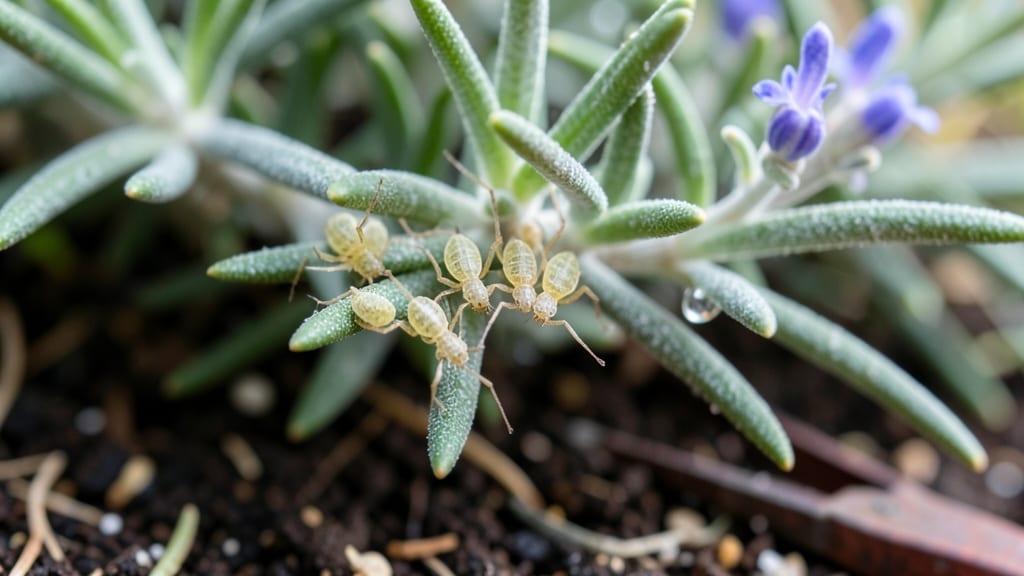
Spider mites on rosemary turn your fragrant bushes into dusty, yellowing skeletons. 🌿 I’ve watched my prized rosemary go from lush and aromatic to a sad, web-covered shadow—until I discovered neem oil’s power to rescue it.
This isn’t just about saving your plants; it’s about reclaiming that fresh, piney scent that makes cooking feel like magic.
The problem starts small—tiny specks on leaves, fine webbing, or leaves that look like they’ve been dusted with flour. Most people mistake it for drought stress or powdery mildew, but spider mites thrive in dry conditions, especially indoors where humidity plummets.
Neem oil disrupts their life cycle without harming your rosemary, and it’s the first line of defense before you reach for harsher chemicals.
Within 72 hours of treatment, you’ll see new growth pushing through, and the webbing will disappear. The key is consistency—spray every 5-7 days for two weeks, and your rosemary will bounce back stronger than before.
Plus, you’ll learn how to keep them away for good with simple watering tricks and companion plants that mites despise.
This works for rosemary grown in pots, garden beds, or even as a houseplant. No more losing your favorite herb to these tiny pests—just a quick spray and a healthier garden. Let’s get your rosemary back to its full, fragrant glory.
Root Causes Of Rosemary Infestations
Spider mites thriving on your rosemary aren’t just random pests—they’re responding to specific environmental and plant health triggers. Understanding these causes helps you address the problem at its source. Here’s why these tiny arachnids target your herb garden:
Spider mites love dry, hot conditions—think desert-like environments where moisture evaporates quickly. Rosemary, while drought-tolerant, still suffers under consistent temperatures above 85°F (29°C). Here’s why this happens:
- Rapid reproduction: Heat accelerates their life cycle. A female mite can lay 50–100 eggs in just days, turning a few pests into a full-blown infestation in weeks. - Thinner plant stress: High heat causes rosemary to wilts slightly, making its leaves less turgid (firm).
Mites prefer easier-to-pierce, softer tissue, especially on the undersides of leaves. - Dormant natural predators: Beneficial insects like lacewings or ladybugs slow down in extreme heat, leaving mites unchecked.
Pro tip: 🌡️ Monitor your rosemary’s microclimate. If your area hits 90°F+ (32°C+) for days, provide light shade cloth (30–50% coverage) to reduce stress on the plant and deter mites.
Rosemary’s Mediterranean roots mean it hates soggy soil but also despises drought. Spider mites exploit both extremes:
- Underwatering: When rosemary is thirsty, its leaves curl inward, creating tight, sheltered spots where mites hide and feed.
Curled leaves also retain less moisture, making them more susceptible to mite saliva (which dehydrates plant cells). - Overwatering: While less common for rosemary, poor drainage can lead to root rot, weakening the plant.
A stressed rosemary produces more sugars in its leaves (a survival mechanism), which attracts mites like a buffet. - Inconsistent moisture: Mites thrive in unpredictable watering patterns.
If you soak the soil one day and skip the next, the plant’s defenses fluctuate, making it easier for mites to establish colonies.
Actionable fix: 💧 Water rosemary deeply but infrequently—about once every 1–2 weeks (adjust for climate). Use drip irrigation or soaker hoses to keep leaves dry, as mites avoid wet foliage.
A weak rosemary plant is a mite magnet. Mites target herbs that are nutrient-deficient, diseased, or physically damaged because they’re easier to exploit:
- Nitrogen deficiency: Yellowing leaves (chlorosis) signal low nitrogen, which weakens cell walls. Mites inject toxins into cells, but a healthy plant can recover faster. Deficient rosemary? Game over. - Phosphorus/potassium imbalance: These nutrients strengthen cell membranes and disease resistance.
Without them, rosemary’s leaves become more permeable, allowing mites to feed undetected. - Fungal/bacterial infections: Even powdery mildew (common on rosemary) creates sticky residue that mites use as a food source. Once mites arrive, they compound the damage by spreading faster on already-stressed plants.
Soil check: 📊 Test your soil’s pH (rosemary prefers 6.0–7.0). Amend with compost or a balanced 10-10-10 fertilizer in early spring to boost resilience.
Spider mites don’t usually win battles—they lose wars. But if their predators vanish, they multiply unchecked. Common culprits:
- Pesticide overuse: Even broad-spectrum sprays (like synthetic pyrethroids) kill beneficial insects first.
Without lacewings, ladybugs, or predatory mites (Phytoseiulus persimilis), spider mites explode in numbers. - Monoculture gardening: Planting only rosemary (or other susceptible herbs like lavender or thyme) removes diversity, which predators rely on for food.
A polyculture garden with marigolds, basil, or dill attracts more helpers. - Seasonal slowdowns: In winter or early spring, predator populations drop. Mites hibernate in egg form but emerge first when temperatures rise, giving them a head start.
Eco-friendly boost: 🌱 Introduce flowering plants like alyssum or dill nearby to attract predatory insects. Release Phytoseiulus persimilis mites (available online) for a biological knockout punch.
If your rosemary lives indoors or in a greenhouse, human-made conditions often trigger mite outbreaks:
- Recirculated air: Greenhouses trap hot, dry air, creating the perfect mite sauna. Without airflow, humidity drops below 40%, signaling mites to feed aggressively. - Overcrowded plants: Tight spaces limit airflow, increasing leaf-to-leaf contact.
Mites spread via webbing, turning one infected plant into a contagious cluster. - Artificial lighting: Grow lights (especially LED or HPS) can overheat if placed too close, mimicking extreme desert conditions that mites adore.
Fix it: 🌬️ Use oscillating fans on low speed to improve air circulation. Space plants 6–12 inches apart and raise humidity with a pebble tray under pots (never wet foliage directly).
How to Treat and Prevent Rosemary Pests
Spider mites may seem like a tiny but formidable foe, but with the right approach, you can reclaim your rosemary plants and keep them thriving. Below are targeted solutions based on the root cause of your infestation, plus preventive tips to stop future outbreaks before they start.
Spider mites thrive in dense, low-light conditions where plants are already struggling. If your rosemary is packed too closely or lacks airflow, it’s an open invitation for these pests.
How to Fix It:
- 🌿 Trim back overgrown branches – Use clean, sharp pruners to open up the plant’s center, allowing sunlight and air to circulate.
- 💨 Space plants 12–18 inches apart – If growing in pots or garden beds, ensure they’re not touching. Overcrowding traps humidity and attracts mites.
- 🌞 Move to a sunnier spot – Rosemary loves 6+ hours of direct sunlight daily. Weak, shaded plants are prime targets for spider mites.
Prevention Tip: 💡 Regular pruning keeps rosemary healthy and less appealing to pests. Trim in early spring to encourage new growth!
Spider mites adore dry, thirsty plants. If your rosemary’s soil is bone-dry, it’s essentially sending out a "Help, I’m weak!" signal.
How to Fix It:
- 💦 Water deeply but infrequently – Rosemary hates soggy roots but also despises drought. Water when the top 1–2 inches of soil are dry (stick your finger in to check!).
- 🌧️ Use the "soak and dry" method – Water thoroughly until it drains from the pot’s bottom, then let excess water escape. Avoid wetting the foliage to prevent fungal issues.
- 🚰 Mulch lightly (if in ground) – A thin layer of gravel or straw helps retain moisture without smothering the plant.
Prevention Tip: 🌡️ Morning watering is best—it gives leaves time to dry before evening, reducing humidity that mites love.
If your rosemary was previously treated with harsh chemicals (like synthetic pesticides) or has powdery mildew, spider mites may have moved in for the weakened state.
How to Fix It:
- 🧼 Rinse with neem oil solution – Mix 1 tsp neem oil + 1 tsp mild soap (like castile) + 1 quart water. Spray both sides of leaves and stems. Repeat every 5–7 days for 2–3 weeks.
- 🧴 Apply horticultural oil – If mites persist, use dormant oil (safe for rosemary) as a smothering treatment. Spray in the early evening to avoid leaf burn.
- 🧴 Wipe leaves with a damp cloth – For severe cases, gently dab leaves with a cloth soaked in soapy water to dislodge mites (avoid scrubbing too hard).
Prevention Tip: ✨ Always spot-test oils on a small leaf first—rosemary can be sensitive!
If you’ve already spotted webs, stippling, or tiny red/yellow mites, act fast with a 3-step attack.
How to Fix It:
- 🕷️ Blast mites off with water – Hold the plant under a strong stream of water (outdoors) to wash away eggs and adults. Do this every 2–3 days for a week.
- 🍃 Introduce beneficial predators – Release predatory mites (Phytoseiulus persimilis) or lacewings—they love eating spider mites!
- 🌿 Isolate and quarantine – Keep infested rosemary away from healthy plants until mites are gone (2–3 weeks).
Prevention Tip: 🎯 Check the undersides of leaves weekly—mites hide there! A handheld magnifying glass helps spot early signs.
Once your rosemary is mite-free, keep it that way with these proactive habits:
- 🌿 Rotate neem oil treatments – Apply every 4–6 weeks as a preventive spray.
- 🍃 Inspect new plants – Quarantine any new rosemary or herbs for 2 weeks before introducing them to your garden.
- 🌱 Boost plant health – Feed with balanced fertilizer (10-10-10) in spring to strengthen natural defenses.
- 🌧️ Avoid overhead watering – Water at the base to keep foliage dry (mites love damp leaves).
Final Thought: 💪 Spider mites may be tiny, but they’re no match for a well-prepared rosemary plant! With consistent care, your herbs will stay lush, pest-free, and ready for harvest.
Frequently asked questions
How do I know if my rosemary has spider mites and not just drought stress?
Look for tiny yellow stipples on leaves (like pepper damage) and fine webbing between branches. Use a magnifying glass to spot red/yellow specks moving on leaf undersides—mites are active during dry spells but drought stress causes uniform browning without webbing. Tap leaves over white paper: tiny moving dots confirm mites.
Can I use dish soap to kill spider mites on rosemary?
Yes, but use it carefully! Mix 1 tsp mild dish soap + 1 quart water and spray both leaf sides (avoid direct sun). Repeat every 3-4 days for 2 weeks. The soap disrupts their protective coating, but rinse plants after 24 hours to prevent leaf burn. Never use harsh soaps like Dawn—stick to gentle, plant-safe options.
Will neem oil work if my rosemary is already severely infested?
Neem oil helps, but severe cases need a 3-step combo: First, blast mites off with water (outdoors). Then apply neem oil every 5-7 days for 3 weeks. For stubborn webs, add 70% isopropyl alcohol spray (1:1 with water) to dissolve silk strands. Expect 2-3 weeks to fully eliminate an established infestation.
Can I save my rosemary if the leaves are already completely yellow?
Prune off all yellowed leaves immediately—they won't recover. Focus on treating healthy growth with neem oil and improving airflow. For new growth, use 1 tsp fish emulsion (5-5-5) per gallon to rebuild vigor. If 90%+ is dead, consider propagating from healthy stems to start fresh.
How do I prevent spider mites from coming back after treatment?
Combine these 3 habits:
- Weekly inspections (check leaf undersides),
- Morning watering (keeps humidity low), and
- Companion planting with marigolds or basil (mites hate their scent). Add 1 tsp neem oil per gallon to water monthly as prevention.