
Shrubs
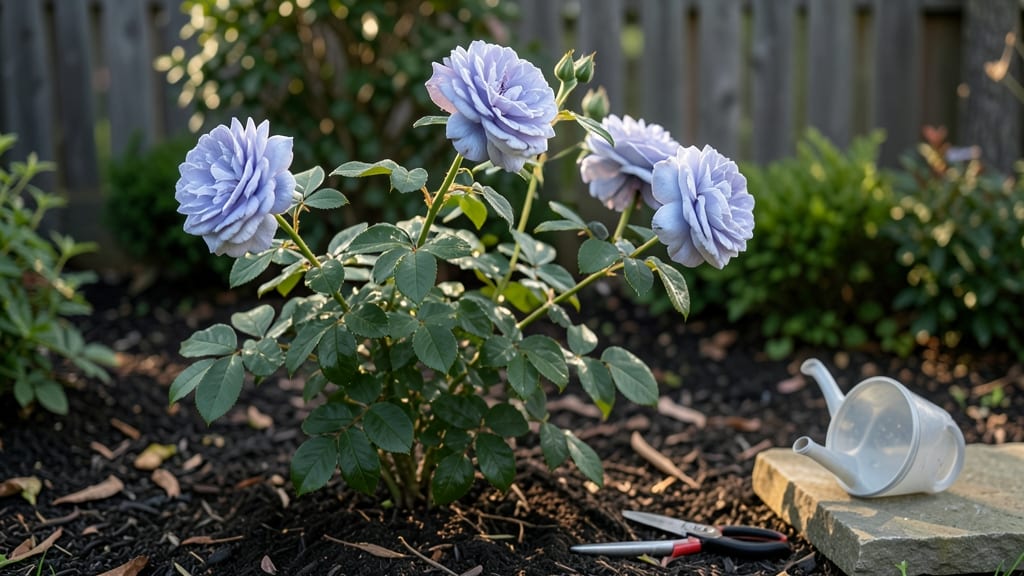
The Wedgwood rose delivers season-long color that turns heads every spring. 🌸 Its creamy-white, blush-tinged blooms and intoxicating fragrance make it a classic climber, but the real secret to its beauty lies in the right pruning approach.
I’ve watched this rose transform from a tangled mess to a showstopper just by mastering a few key cuts. This variety thrives in full sun with well-draining soil, but its fragrant blooms reward patience.
After my first pruning disaster (too many cuts, too late), I learned the 3-step method that keeps it lush and productive. The blooms arrive earlier, last longer, and the plant stays compact enough to train on trellises or arbors.
You’ll end up with a rose bush that flowers from early summer through fall, its branches heavy with blossoms. The fragrance alone makes it worth the effort—imagine strolling past a cloud of sweet, old-fashioned perfume on a summer evening. Works for both new gardeners and seasoned climber lovers.
Here’s how to keep it thriving year after year.
📚 In This Guide
- What you need
- Instructions
- Tips and common mistakes
- Wrapping up and next steps
What you need
- ○ Pruning shears: Bypass pruners (sharp, clean, and disinfected with rubbing alcohol or bleach solution to prevent disease). Optional: Loppers for thicker stems (1–2 inches in diameter).
- ● Gloves: Heavy-duty gardening gloves (thorn-proof, like Filson or Fox River brands).
- ● Disinfectant: 1 part bleach to 9 parts water (for sterilizing tools between cuts).
- ○ Pruning sealant: Optional but helpful for large cuts (e.g., Tanglefoot Pruning Seal or beeswax).
- ● Garden twine or plant ties: For securing sprawling canes if needed (10–15 feet, depending on rose size).
- ● Trash bags or bucket: For collecting pruned debris (1–2 large bags).
- ● Timing: Prune Wedgwood Roses in late winter or early spring (before new growth starts) or after flowering (summer pruning for shape). Avoid pruning in fall.
- ● Weather: Choose a dry, overcast day to minimize stress on the plant.
- ● Tools check: Sharpen shears and test for smooth cuts—dull tools crush stems, inviting disease.
- ● Safety first: Wear long sleeves/pants to protect against thorns and consider safety glasses if working near your face.
Step-by-step pruning guide for the Wedgwood rose
This classic climber thrives with precise pruning—here’s how to keep it blooming beautifully all season.
🌿 Step 1: Prune in Early Spring for New Growth
Start pruning your Wedgwood rose in late February to early March when new growth begins. This is the moment that matters: you’ll remove last year’s dead or weak stems while encouraging fresh blooms. Use clean, sharp pruners to make cuts just above an outward-facing bud—this ensures new growth angles away from the center, improving airflow and light penetration.
Remove any dead, diseased, or crossing branches first. You’ll know a branch is dead if it’s brown all the way through or snaps when bent. For healthy but overcrowded stems, cut back to a strong outward bud, leaving about ¼ inch above it. This prevents damage to the bud while giving it room to grow.
✂️ Step 2: Shape the Rose Throughout the Growing Season
After the initial spring prune, monitor your Wedgwood rose regularly. Throughout the growing season, remove spent blooms by cutting the stem just above the first set of five leaves below the bloom. This encourages the plant to produce more flowers instead of focusing on seed development. I like to do this every 2-3 weeks during peak blooming season.
If your rose starts looking leggy or overgrown, give it a light trim in early summer to maintain its classic shape. Focus on thinning out the center to improve airflow—this prevents fungal diseases like black spot, which can ruin the foliage. Never remove more than ⅓ of the plant’s total growth in one session, or you’ll stress it.
⏰ Step 3: Light Prune in Late Summer for Fall Prep
In late August or early September, give your Wedgwood rose a final light prune to prepare it for winter. This isn’t about heavy cutting—just tidying up. Remove any branches that are growing inward or rubbing against others, as these can create wounds that invite pests or disease. You’ll also want to trim back any overly long stems to maintain the plant’s natural shape.
This late-season prune helps the rose harden off before winter. Avoid heavy pruning now, as new growth won’t have time to mature before cold weather sets in. Instead, focus on cleaning up the plant so it enters dormancy looking its best. I often pair this with a light application of compost around the base to give it a nutrient boost for next year.
🌱 Step 4: Winter Care to Preserve the Classic Form
Once winter arrives, your Wedgwood rose will go dormant, but that doesn’t mean you can ignore it. In late winter, inspect the plant for any dead or broken branches and prune them out. This keeps the classic shape intact and prevents disease from spreading when new growth begins in spring.
If you’re in a colder climate, consider wrapping the base of the rose with burlap or rose cones to protect it from freezing temperatures. The Wedgwood rose is hardy, but young plants or harsh winters can still cause damage. Water the base lightly in dry winter months if there’s no snow cover—just enough to keep the soil from drying out completely.
Tips & tricks for perfect Wedgwood rose pruning
Here's what nobody tells you about keeping your Wedgwood rose looking its absolute best all year.
Timing Secret: The late February to early March window is critical for spring pruning because that's when the plant's sap starts flowing again. If you prune too early, you risk damaging tender buds that haven't hardened off yet. I've learned this the hard way—waiting until you see those first tiny green shoots popping up is your cue to start. This timing ensures you're cutting at the perfect moment when the plant can quickly heal and produce new growth.
Tool Technique: Your pruners are more important than you might think. Always use clean, sharp pruners to make clean cuts—dull blades crush stems instead of cutting them cleanly, which can damage the plant. After each cut, wipe your pruners on a clean cloth to prevent spreading any potential diseases between branches. I keep a small bottle of rubbing alcohol nearby to quickly disinfect my tools between cuts on different parts of the plant.
Shape Strategy: When shaping throughout the growing season, think of your rose like a sculpture—you want to create balance and openness. Focus on removing branches that grow toward the center of the plant, as these create congestion that blocks airflow and sunlight. This isn't just about looks; proper airflow is what prevents those pesky fungal diseases that can ruin your rose's foliage. I like to step back every few cuts to visualize the plant's overall shape.
Winter Care: That light winter watering in dry months is more important than it seems. Even though your rose is dormant, the roots are still active and need moisture to survive. I've seen roses suffer from winter dieback because they were completely neglected during those cold months. Just give it a drink when the ground isn't frozen, and you'll be rewarded with vigorous new growth in spring. And remember—those burlap wraps aren't just for show; they can make all the difference in protecting tender canes from harsh winter winds.
Pro Tips for The Wedgwood Rose
- Here's what nobody tells you about keeping your Wedgwood rose looking its absolute best all year.
- Timing Secret: The late February to early March window is critical for spring pruning because that's when the plant's sap starts flowing again.
- Tool Technique: Your pruners are more important than you might think.
Frequently asked questions
Got questions about mastering the The Wedgwood Rose? You’re not alone!
Whether you're a first-time pruner or a seasoned gardener, these FAQs will help you keep this stunning climber thriving with vibrant blooms all season. Let’s dive in!
When is the best time to prune a Wedgwood Rose?
The ideal time to prune your Wedgwood Rose is late winter or early spring, just before new growth begins. This ensures you remove dead or weak wood while stimulating fresh, vigorous blooms for summer. Avoid pruning in fall—it can leave cuts vulnerable to disease over winter.
How much should I cut back my Wedgwood Rose?
Aim to reduce the plant by about one-third of its height, focusing on removing crossing, weak, or diseased branches. For established climbers, cut back to an outward-facing bud to encourage an open, airy shape. Never cut more than 1/3 of the plant’s total volume in one season to avoid stress.
Can I prune my Wedgwood Rose in summer?
Yes, but lightly! Summer pruning is best for deadheading spent blooms to encourage continuous flowering. Avoid heavy pruning—it can shock the plant and reduce fall blooms. If you must prune for shape, do so after morning watering to minimize stress.
What if my Wedgwood Rose isn’t blooming much?
Several factors could be at play: over-pruning, poor sunlight (they need 6+ hours of sun daily), or nutrient deficiencies. Check for yellowing leaves (possible nitrogen lack) and feed with a balanced rose fertilizer in spring. Also, ensure it’s well-watered but not soggy—consistent moisture is key!
Are there alternatives to traditional pruning for Wedgwood Roses?
Try selective pruning—removing only dead wood or overcrowded branches—if you prefer a more natural look. You can also use organic mulch to retain moisture and reduce stress. For minimalists, deadheading (trimming spent blooms) alone can keep flowers coming all season!
Wrapping up and next steps
The Wedgwood Rose is a showstopper in any garden—its delicate blooms and lush growth make it a favorite among climbers. By mastering the pruning blueprint shared here, you’ll ensure vibrant, healthy vines and a season-long display of color. 🌸
Ready to transform your garden? Grab your pruners, mark your calendar for late winter or early spring, and start shaping those canes. With patience and practice, your Wedgwood Rose will reward you with breathtaking blooms year after year!