
Pruning
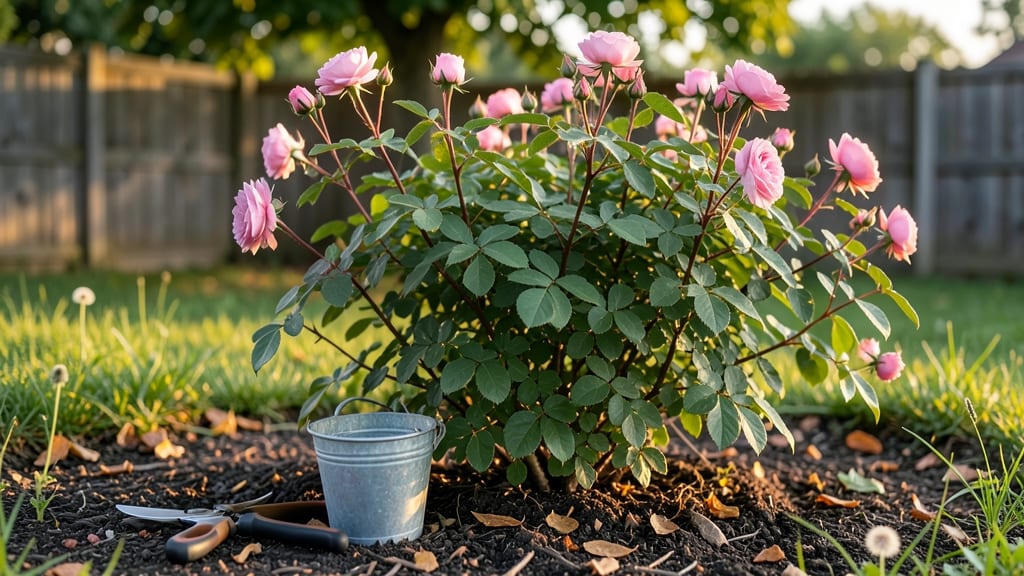
Trimming knockout rose bushes doesn’t need to feel like a chore—just three strategic cuts can keep them blooming like crazy all season. 🌹 I’ve wrestled with these bushes for years, and once I learned the right timing and technique, they became the star of my garden.
The secret? Pruning isn’t about hacking away—it’s about encouraging new growth where you want it. You’ll need sharp pruners, a clean cloth for wiping cuts, and about 20 minutes of focused time. The best part? You can prune these tough roses year-round—just adjust your approach based on the season.
Spring is for shaping, summer is for cleanup, and fall is for prepping for winter’s chill. What you’ll end up with is a bush that stays compact, blooms nonstop, and resists disease better than ever. The first flush of flowers arrives faster, and the shape stays neat without constant fuss.
Even my black thumb can’t kill these when pruned right. Here’s the game-changer: one-third of last year’s growth is all you need to remove—no complex math, no guesswork. Let’s get those bushes looking their best!
📚 In This Guide
- What you need
- Instructions
- Tips and common mistakes
- Wrapping up and next steps
What you need
- ● Pruning shears – Bypass-style (sharp, 5-7" blades) for clean cuts. Quantity: 1 pair (or 2 if trimming large bushes).
- ○ Loppers – For thicker stems (½"–1.5" diameter). Quantity: 1 pair (optional but helpful for mature bushes).
- ● Pruning saw – Only if dealing with woody, oversized stems. Quantity: 1 (rarely needed).
- ● Disinfectant (70% isopropyl alcohol or bleach solution) – 1:9 bleach-to-water ratio to sterilize tools between cuts and prevent disease. Quantity: Small spray bottle or wipe.
- ● Garden gloves – Cut-resistant, breathable fabric to protect hands from thorns and debris. Quantity: 1 pair.
- ● Trash bags or bucket – For removing pruned debris. Quantity: 1-2 (depending on bush size).
- ● Garden hose or water source – To clean tools and rinse off sap after trimming.
- ● Hand pruners with a folding blade – Easier to store and transport.
- ● Knee pads – If your bushes are tall or ground-level trimming is needed.
- ● Sharpie or permanent marker – For labeling branches if you’re experimenting with training techniques.
- ● Compost bin – To recycle pruned material (Knockout Roses are disease-resistant, so composting is safe!).
Instructions for trimming Knockout rose bushes
Here's the simple, foolproof method I use to keep my Knockout roses blooming nonstop—no fancy techniques, just 3 clean cuts.
✂️ Step 1: Late Winter Cleanup Cut (When to Prune)
Time this cut for mid-February to early March, right after your last hard frost but before new growth starts. You'll know it's time when the canes look dormant and shriveled—no green buds or tiny leaf sprouts. This is the most important cut of the year because it sets up your bush for the entire growing season.
Start by removing any dead, broken, or diseased canes at the base. Cut them back completely to the soil line—no need to leave stubs. For healthy canes, make your first cut just above an outward-facing bud, about ¼ inch above it. This ensures new growth starts outward rather than inward, which keeps the center of the bush open and airy. I always make cuts at a 45-degree angle to shed water away from the bud.
✂️ Step 2: Light Summer Pruning (After Blooms Fade)
After each flush of blooms—usually every 6-8 weeks—give your Knockout roses a light trim. Wait until the flowers have fully faded and the petals start to brown. This tells you the plant has finished its current bloom cycle and is ready for the next one. You'll see spent blooms turning papery and the stems looking tired.
Simply cut back the stems to the first set of healthy leaves below the faded bloom. This encourages new side shoots to form, which will produce more flowers. I never cut more than ⅓ of the plant's height in any one session—Knockouts are tough but not invincible. For thick canes, make two cuts: first to remove the dead bloom, then a second cut just above the leaves you want to keep. This prevents tearing the bark.
✂️ Step 3: Seasonal Maintenance Trims (Year-Round)
Throughout the growing season, do quick maintenance cuts whenever you spot any of these: crossing branches, overly long canes, or leggy growth. These little adjustments keep your bush looking neat and encourage stronger growth. I do these trims on dry days when the roses aren't actively blooming—never cut into fresh, green wood.
For crossing branches, remove the smaller or weaker of the two. Make your cut just above an outward-facing bud on the remaining branch. For leggy growth, cut back to the nearest outward-facing bud or leaf cluster. You'll notice the bush fills out better and produces more flowers in the spots where you've made these small cuts. Always clean your pruners with rubbing alcohol between cuts to prevent spreading disease.
Tips & tricks for trimming Knockout rose bushes
Between us, these small adjustments make all the difference in keeping your Knockout roses thriving—and looking like a pro did it.
Timing is Everything: The mid-February to early March window for Step 1 is non-negotiable. If you prune too early, you risk damaging new growth trying to push through. Too late, and you encourage leggy, weak stems. Check for last frost dates in your area, then wait another 2-3 weeks before cutting—this gives your bush the perfect head start. For summer pruning in Step 2, mark your calendar every 6-8 weeks after blooms fade to stay consistent.
The Angle Matters: That 45-degree angle in Step 1 isn't just for looks—it helps water bead up and roll off the cut, preventing rot. Think of it like tilting an umbrella so rain slides off. For all cuts, position your pruners to create this angle naturally. If you're struggling, practice on a few small branches first to get the feel. And always cut just above an outward-facing bud—this simple detail keeps your bush open and airy, preventing that dreaded "center choke" where flowers can't reach the light.
Seasonal Maintenance Shortcuts: Grab a small bag and a pair of gloves before you start Step 3 trims. As you remove spent blooms and crossing branches, drop everything into the bag—you'll be surprised how much debris accumulates. I also keep a spray bottle of rubbing alcohol handy to wipe my pruners between cuts. This 10-second step prevents spreading disease from one cut to the next. Pro tip: On really hot days, do your maintenance trims in the early morning or late afternoon to reduce stress on the plant.
Pro Tips for Trimming Knockout Rose Bushes
- Between us, these small adjustments make all the difference in keeping your Knockout roses thriving—and looking like a pro did it.
- Timing is Everything: The mid-February to early March window for Step 1 is non-negotiable.
- The Angle Matters: That 45-degree angle in Step 1 isn't just for looks—it helps water bead up and roll off the cut, preventing rot.
Frequently asked questions
Got questions about keeping your Knockout® roses looking their best? You’re not alone—these tough, low-maintenance bushes still need the right care! Here are answers to the most common questions to help you trim like a pro.
When is the best time to trim Knockout roses?
Trim Knockout roses three times a year: late winter/early spring (just before new growth), mid-summer (after the first flush of blooms), and fall (to clean up and prep for winter). Unlike traditional roses, they bloom on new wood, so don’t wait until spring—early cuts encourage bigger, bushier growth!
What if I skip trimming? Will my roses still bloom?
Yes, but expect smaller, sparser blooms and a less tidy shape. Knockout roses are forgiving, but regular trimming boosts air circulation (reducing disease) and encourages more vibrant, continuous blooms. Think of it like a haircut—overgrown = messy! Even a light shape-up every few months makes a difference.
Can I trim too much? How do I avoid over-pruning?
Over-pruning happens when you cut back more than ⅓ of the plant at once or remove all the old wood. Knockout roses thrive when you leave healthy stems (about pencil-thick) and avoid "heading back" to bare wood. Pro tip: Step back and squint—if you’re seeing mostly bare branches, you’ve gone too far!
Do I need to sterilize my pruners between cuts?
Absolutely!
Sterilizing pruners with rubbing alcohol or a 10% bleach solution between cuts prevents spreading rose diseases like black spot. Wipe them down before and after trimming each bush, especially if you’re working in wet or humid conditions. It’s a small step that saves your roses from big headaches later.
What’s the deal with "deadheading"? Do Knockout roses need it?
Knockout roses don’t need deadheading like traditional roses—they bloom nonstop! However, if you notice fading or diseased blooms, snip them off to keep the plant looking neat. Focus on structural trims (removing crossing branches, water sprouts) instead. Bonus: This redirects energy to new growth and more flowers!
Can I use hedge trimmers instead of pruners?
For light shaping, hedge trimmers work in a pinch—but they’re not ideal. Pruners give you precision to remove specific stems and avoid damaging the bush. If you’re using trimmers, go slow and avoid shearing too close to the center. For best results, stick with bypass pruners for clean cuts.
Wrapping up and next steps
Trimming your Knockout rose bushes doesn’t have to be intimidating—just a little timing, technique, and tenderness go a long way! With the right tools and these three simple cuts, you’ll keep your roses blooming boldly year-round while promoting healthier growth. 🌸
Now that you’re armed with the know-how, grab those pruners and give your roses the TLC they deserve! Start with a quick spring refresh, then follow up with light maintenance in summer and winter—your garden (and your roses) will thank you. Happy pruning! 🌿