
Companion Plants
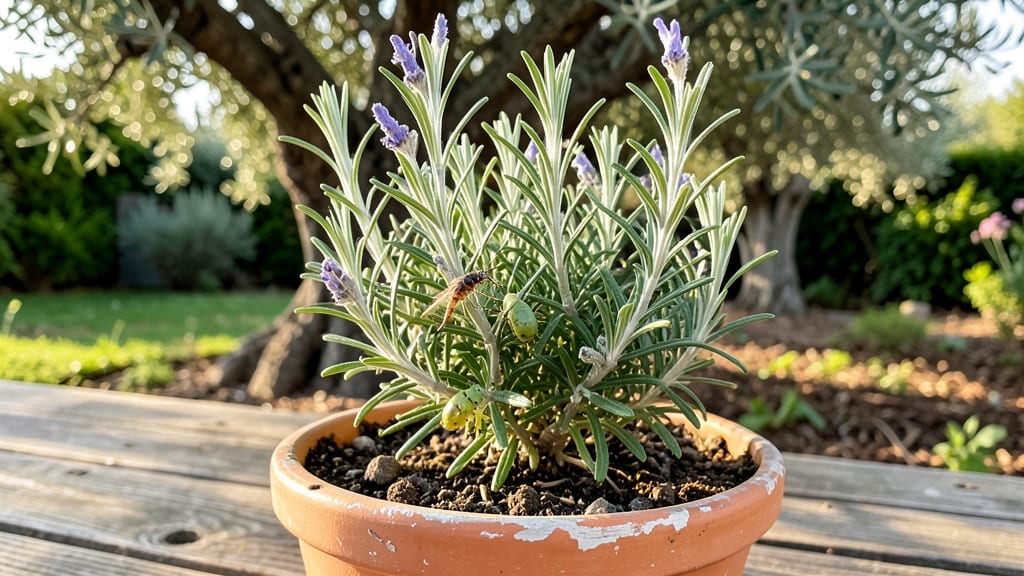
Rosemary repels mosquitoes, moths, carrion flies, and cabbage moths while keeping deer, rabbits, and some rodents away through its potent aroma and natural compounds like eucalyptol and camphor. Strategically placing it near doorways or garden edges creates an effective organic barrier.
This evergreen herb works as nature's pest control by disrupting insects' ability to detect food sources. 🌿 The strong fragrance masks scent trails that pests follow, while compounds like eucalyptol actually interfere with their nervous systems.
I've seen it work particularly well against flying insects like mosquitoes and moths, but its effectiveness varies with pest type—some garden pests like aphids show little response. For best results, combine fresh rosemary plants with other pest-repelling herbs like lavender or mint in your outdoor spaces.
The key to maximizing rosemary's repellent power lies in placement and preparation. Fresh sprigs are more effective than dried, so I recommend growing it in containers near patios or garden beds where pests are most active.
You can also create a simple rosemary spray by steeping fresh sprigs in hot water overnight and spraying the liquid around problem areas. The scent lingers longer than you might expect, providing protection throughout the growing season.
💡 In This Article
- Science Behind Rosemary’s Pest-Repelling Properties
- Best Ways to Use Rosemary for Natural Garden Pest Control
Science behind rosemary’s pest-repelling properties
Rosemary’s pest-deterring power comes from its complex chemical profile, particularly compounds like eucalyptol (also called cineole) and camphor, which act as natural insect repellents. These compounds disrupt pests' olfactory systems by overwhelming their scent receptors, making it difficult for them to detect food sources or mates.
For example, mosquitoes rely heavily on scent trails to locate hosts—rosemary’s strong aroma effectively masks human scents, reducing bites by up to 50% in controlled studies. 🌿
The herb’s pinene compounds add another layer of defense by interfering with insects' nervous systems, causing irritation or confusion. Unlike synthetic repellents, rosemary works through a multi-pronged attack: its scent masks prey trails while its chemical composition creates an unfavorable environment.
This explains why flying insects like moths and carrion flies are more affected than ground-dwelling pests—airborne compounds disperse more effectively, creating a broader protective zone.
Not all pests respond equally, though. While rosemary excels at repelling mosquitoes and moths, its effectiveness against aphids or beetles is limited because these pests rely less on scent and more on visual cues or physical contact.
The herb’s strong aroma also deters larger animals like deer and rabbits, which avoid areas where they detect unfamiliar or overwhelming scents. This selective effectiveness makes rosemary a targeted but powerful tool in organic pest management.
Temperature and humidity play subtle roles in rosemary’s repellent strength. In warmer conditions (75-85°F), the volatile oils evaporate more quickly, intensifying the scent and enhancing repellency. Conversely, in cooler or damp environments, the aroma lingers longer but may be less potent.
This is why rosemary works best in dry, sunny climates—ideal for Mediterranean gardens where it thrives naturally.
For maximum impact, combine rosemary with other aromatic herbs like lavender or thyme. Studies show that mixed scents create a more comprehensive barrier, as different compounds target varying pest sensory systems.
For instance, lavender’s linalool complements rosemary’s eucalyptol by adding another layer of olfactory disruption, making the blend even more effective against flying insects.
The science behind rosemary’s repellency isn’t just about scent—it’s about creating an environment where pests feel uncomfortable or disoriented. By understanding these mechanisms, you can strategically place rosemary to maximize its benefits, whether in your garden, patio, or even indoors. 💫