
Pests and Diseases
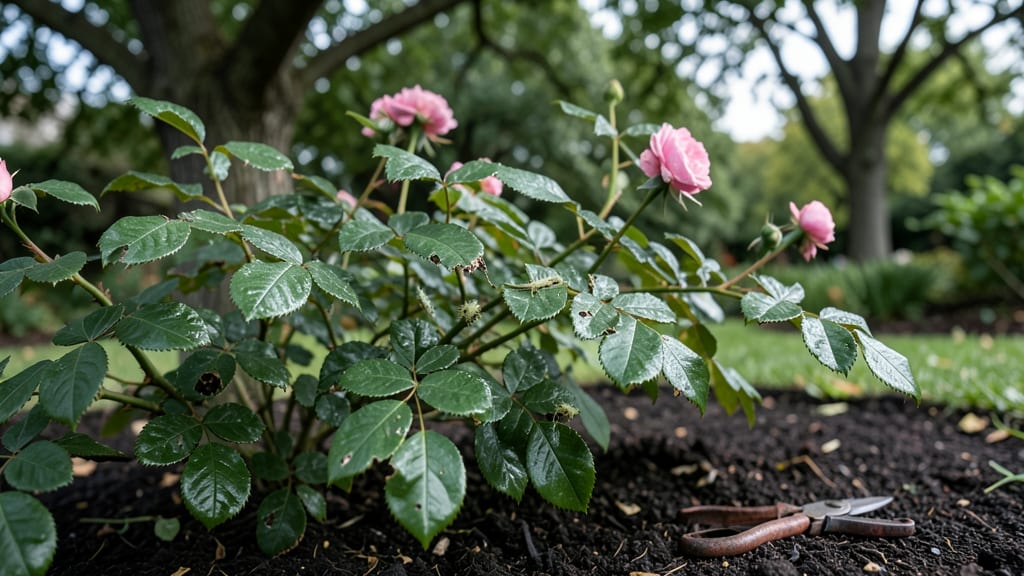
What is eating my knockout roses? These plants turned into a pest buffet—tiny aphids sucking leaves, Japanese beetles skeletonizing petals—each leaves distinct clues if you know what to look for. 🌿 look for. Most damage happens between May and August, when pests are most active.
I’ve seen roses defoliated overnight by Japanese beetles, while spider mites turn leaves yellow and crispy. The key is catching these early before they move to your next prized plant. You’ll spot telltale signs: chewed petals, sticky residue (aphid honeydew), or tiny black beetles swarming at dusk.
Armed with these clues, you can choose the right defense—neem oil for aphids, handpicking beetles, or introducing ladybugs for organic control. This isn’t just about saving your roses—it’s about creating a garden where pests can’t gain a foothold. Let’s turn your roses from buffet to fortress.
Root Causes Behind Rose Damage
Knockout roses are prized for their hardiness and vibrant blooms, but when they start looking like a buffet for pests, understanding the why behind the damage is half the battle.
Below, we break down the most common reasons your roses are becoming a snack—from hungry critters to environmental triggers—so you can take targeted action.
Pests are the #1 reason your Knockout roses might look like they’ve been hit by a swarm. Here’s what’s likely munching on them—and how they get the job done:
🔥 Japanese Beetles: The Leaf Skeletons
Japanese beetles (Popillia japonica) are the poster children of rose damage. These metallic-green-and-copper invaders strip leaves to their veins, leaving a lace-like pattern behind.
They don’t just feed on roses—they’re attracted to the volatile organic compounds (VOCs) roses emit, especially during hot, sunny days. Adult beetles chew leaves, while their grubs (white, C-shaped larvae) devour grass roots, weakening the plant’s ability to support new growth.
Why it happens:
- Peak activity: June–August, when temperatures hit 80°F+.
- Attraction triggers: Stress from drought, overwatering, or poor soil fertility makes roses more appealing.
- Reproduction cycle: Females lay eggs in turf grass, and grubs overwinter in soil, emerging next spring.
🍳 Aphids: The Sap-Sucking Swarm
These tiny, pear-shaped insects (<1/8 inch long) cluster on new shoots, buds, and undersides of leaves, piercing plant cells to suck out sap. Their honeydew excretions create a sticky mess that attracts sooty mold, further stressing the plant.
Aphids reproduce asexually—a single female can birth 50+ live nymphs in a week without mating!
Why it happens:
- Weakened plants: Roses under stress (nutrient deficiency, drought) produce more sugary sap, which aphids adore.
- Wind and ants: Ants farm aphids for honeydew, protecting them from predators. Wind can also spread aphids from infected plants.
- Seasonal outbreaks: Explosive growth in spring and early summer when roses flush new growth.
👨🍳 Rose Slugs (Sawfly Larvae): The Hidden Devourers
Don’t let the name fool you—rose slugs aren’t slugs at all. They’re the larvae of sawfly (Endelomyia aethiops), and they skeletonize leaves overnight.
Unlike caterpillars, they have no legs (just prolegs) and look like green, slug-like grubs. They prefer young, tender leaves and can defoliate a bush in days.
Why it happens:
- Timing: Peak damage in late spring to early summer when roses are growing rapidly.
- Lack of predators: Birds and wasps (their natural enemies) may be absent due to pesticide use or habitat loss.
- Overcrowded plants: Dense foliage provides perfect hiding spots for larvae.
Pests aren’t the only culprits—sometimes, your roses are too stressed to fight back. These factors make them easier targets for chewers and suckers:
💡 Overwatering or Poor Drainage: The Silent Killer
Knockout roses thrive in well-draining soil, but soggy roots create a double whammy: 1. Fungal infections (like black spot or powdery mildew) weaken leaves, making them less tough for pests.
- Root rot reduces nutrient uptake, leading to yellowing leaves—a buffet sign for aphids and beetles.
Why it happens:
- Compacted soil: Heavy clay or lack of organic matter prevents water from draining.
- Overzealous watering: Roses need 1–1.5 inches of water per week, but daily light watering keeps soil too wet.
- No mulch: Without a 2–3 inch layer of mulch, soil stays too hot or cold, stressing roots.
🎯 Nutrient Deficiencies: The Hungry Plant Trap
Roses are heavy feeders, and when they’re starving, they produce softer, more tender growth—a pest’s dream.
Common deficiencies include: - Nitrogen (N): Leads to yellow lower leaves and weak stems (aphids love this). - Potassium (K): Causes brown leaf edges and poor disease resistance (beetles thrive here). - Magnesium (Mg): Shows as interveinal chlorosis (yellow between veins), making leaves easier to chew.
Why it happens:
- No spring/summer feeding: Knockout roses need balanced fertilizer (10-10-10 or 12-12-12) every 4–6 weeks during growing season.
- Old soil: After 2–3 years, soil nutrients deplete without compost or organic amendments.
- pH imbalance: Roses prefer 6.0–6.5 pH; too acidic or alkaline locks out nutrients.
✨ Extreme Heat or Cold: The Stress Multiplier
Roses are tough, but sudden temperature swings can shock them into vulnerability:
- Heat stress (above 90°F): Causes wilting and leaf drop, making plants more attractive to beetles.
- Late frost damage: New growth after frost is tender and slow to harden, inviting sawfly larvae.
- Winter dieback: If roses aren’t properly mulched or pruned, they struggle to regrow in spring, staying weak for pests.
Why it happens:
- No acclimation: Moving roses from shade to full sun too quickly causes sunburn-like stress.
- Lack of winter prep: Without mulch (4–6 inches) and pruning dead wood, roots stay too cold or too wet.
- Urban heat islands: Paved areas radiate heat, raising soil temps 10–15°F hotter than surrounding areas.
Pro Tip: 💡 Spot-check your roses at dawn. Heavy dew or sticky residue? Likely aphids. Ragged leaves with skeletonized edges? Japanese beetles. Slime trails on stems? Slugs or sawfly larvae.
Quick Fixes for Biting Back
Got chewed-up Knockout roses? Don’t panic—most culprits have simple, effective solutions. Below, we break down the top causes and the best fixes, plus prevention tips to keep your roses thriving. Let’s turn those ragged leaves into lush, pest-free blooms!
Signs: Skeletons of leaves, clusters of iridescent green/gold beetles. Fix: 🔥 Handpick beetles (drop them in soapy water—never crush them!). 🍳 Set up traps with Japanese beetle traps (place them away from roses to avoid attracting more). 👨🍳 Spray with neem oil (early morning/evening) or pyrethrin-based sprays (follow label instructions). 🥘 Apply milky spore (a natural bacterial treatment) to reduce future populations.
Prevention: ✨ Plant beetle-repelling companions like marigolds, catnip, or garlic near roses. 🌡️ Water deeply in the morning to deter beetles (they hate damp foliage).
Signs: Black, slimy larvae or green, worm-like sawfly larvae; leaves look "windowpane" chewed. Fix: 🔪 Handpick larvae and drown them in soapy water (wear gloves—eww!). 🥘 Use a Diatomaceous earth (food-grade) spray on leaves (reapply after rain). 🍳 Apply Bt (Bacillus thuringiensis)—a natural bacteria that kills larvae but not bees.
Prevention: 💡 Remove old leaves/debris where larvae hide over winter. 🎯 Prune for airflow—slugs love damp, shaded spots.
Signs: Sticky residue (honeydew), curled leaves, tiny green/black bugs clustered on new growth. Fix: 💦 Blast off with a strong water spray (aphids hate this!). 🥘 Spray with insecticidal soap or neem oil (reapply every 5–7 days). 🍳 Introduce ladybugs (their natural predators)—buy them online or attract them with dill or fennel.
Prevention: 🌡️ Encourage beneficial insects by planting yarrow, alyssum, or dandelions. 🔥 Avoid over-fertilizing—aphids love soft, new growth.
Signs: Large, golden beetles; large, irregular holes in leaves. Fix: 🍺 Set up a beer trap (bury a cup filled with beer—beetles drown in it). 🥘 Use pyrethrin sprays (early evening) to knock them down. 👨🍳 Handpick adults and drop them in soapy water.
Prevention: 💡 Mulch heavily—chafers dislike dry soil. 🎯 Plant roses in full sun (they’re less attractive to chafers).
Signs: Cleanly clipped stems/leaves, no holes—just missing bites! Fix: 🏞️ Install a 8-foot tall fence (deer can jump! Use chicken wire for rabbits). 🥘 Apply hot pepper wax or commercial repellents (like Liquid Fence). 🍳 Use motion-activated sprinklers to scare them off.
Prevention: 🌡️ Plant deer-resistant alternatives nearby (e.g., Russian sage, lavender). 🔥 Remove hiding spots (tall grass, brush piles).
Signs: Black spots with yellow halos (black spot) or white powdery coating (mildew). Fix: 🧼 Prune infected leaves (sterilize shears with rubbing alcohol). 🥘 Spray with baking soda mix (1 tsp baking soda + 1 quart water + a drop of soap). 🍳 Apply fungicide (copper-based or neem oil) every 7–10 days.
Prevention: ✨ Water at the base, not leaves (keep foliage dry). 💡 Space plants for good airflow (3–4 feet apart). 🌡️ Avoid overhead watering in the evening.
🔥 Inspect weekly—catch problems early! 🍳 Rotate treatments to prevent resistance. 👨🍳 Keep your garden healthy—stressed roses attract pests. 🥘 Clean up fallen leaves/debris (pests love hiding there).
Pro Tip: 🎯 Test a small area first before spraying—some roses are sensitive to chemicals! Always read labels.
Now grab your gloves and get to work—your Knockout roses will thank you with bold, beautiful blooms in no time! 🌹✨
Frequently asked questions
What do Japanese beetle damage vs. rose slug damage look like?
Japanese beetles leave skeletonized leaves with just veins remaining, while rose slugs create windowpane holes where they chew between leaf veins. Beetles also leave behind shiny, iridescent green/gold beetles, while rose slugs appear as green, legless grubs. Check undersides of leaves for clues!
Can I use the same treatment for aphids and Japanese beetles?
No—aphids respond well to insecticidal soap or neem oil, while Japanese beetles need pyrethrin sprays or milky spore. Always check labels: some products work for one but not the other. For organic control, handpick beetles and introduce ladybugs for aphids.
Why do my roses get attacked every year around the same time?
Pests follow seasonal cycles! Japanese beetles peak in June-August when temps hit 80°F+, while rose slugs strike in late spring during rapid growth. Plan ahead: apply preventive sprays 2 weeks before expected outbreaks or plant repellent companions like marigolds.
Will deer eat my Knockout roses?
Yes—deer love the tender stems and leaves! Look for cleanly clipped edges (no holes) on stems. Install an 8-foot fence or use hot pepper wax to deter them. Plant deer-resistant alternatives like Russian sage nearby to divert their attention.
How often should I inspect my roses for pests?
Check your roses weekly during growing season (April-October), focusing on new growth, undersides of leaves, and buds. Early detection makes treatments easier! Dawn or dusk is best—pests are most active then and less likely to scatter.