
Plants
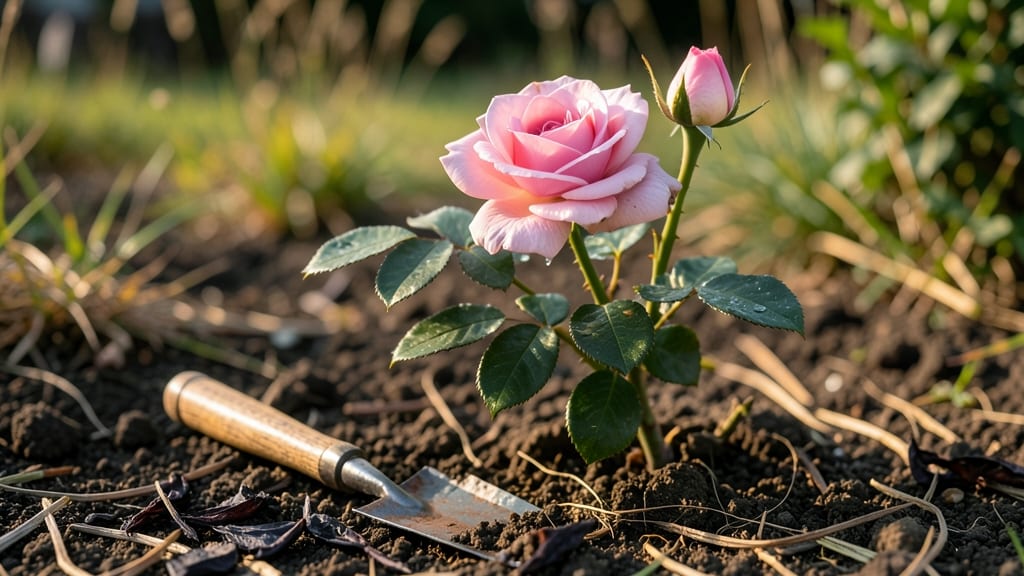
Wondering what type of soil do roses like? They flourish in loamy, well-draining soil rich in organic matter—the ideal foundation for strong roots and vibrant blooms.
Struggling to get your roses to bloom? The secret might be hiding in the soil beneath them — roses thrive only in specific conditions, and getting it wrong can mean wilting petals and stunted growth. 🌹
Too much clay? Roots suffocate. Too much sand? Nutrients wash away. The ideal soil for roses isn’t just about texture—it’s about pH, drainage, and the right mix of amendments to keep your plants happy year-round.
In this guide, I’ll break down the exact soil type roses crave, how to test yours, and the easy fixes to turn struggling plants into blooming powerhouses.
Ideal soil composition for healthy rose growth: loam, drainage, and more
Roses are divas when it comes to soil—give them the wrong mix, and you’ll end up with sad, droopy blooms instead of vibrant, fragrant flowers. The perfect soil for roses is a loamy blend that balances moisture retention and drainage, with a slightly acidic pH between 6.0 and 6.5.
This isn’t just a preference; it’s a necessity for their roots to breathe, absorb nutrients, and fight off diseases like black spot or powdery mildew.
Think of rose roots as delicate underwater gardens—they need oxygen-rich soil that’s neither too dense (like clay) nor too loose (like pure sand). Heavy clay soils suffocate roots, while sandy soil drains too quickly, leaving roses thirsty and nutrient-starved.
The solution? A custom soil mix tailored to your roses’ needs, whether you’re planting in-ground or in containers.
Here’s the breakdown of what makes soil ideal for roses, including why organic matter is non-negotiable and how to fix common soil problems:
| Soil Property | Ideal Specification | Why It Matters |
|---|---|---|
| Texture | Loamy (40% mineral, 40% organic, 20% air) | Balances water retention and drainage for healthy roots. |
| pH Level | 6.0–6.5 (slightly acidic) | Enhances nutrient uptake, especially phosphorus and iron. |
| Drainage | Well-draining (water drains within 2–4 hours) | Prevents root rot and fungal diseases in waterlogged soil. |
| Organic Matter | 3–5% (compost, aged manure, leaf mold) | Improves soil structure, adds nutrients, and encourages microbial life. |
| Nutrient Density | High in nitrogen, phosphorus, potassium | Supports lush foliage, strong stems, and abundant blooms. |
| Aeration | 20% air space in soil | Allows roots to respire and access oxygen for growth. |
If your soil is heavy clay, roses will struggle to establish roots, leading to yellowing leaves and poor blooming. To fix this, mix in 3–4 inches of compost or coarse sand (like perlite or builder’s sand) to break up compaction.
For sandy soil, which drains too fast, amend with peat moss or coconut coir to hold moisture while still allowing excess water to escape.
I once had a clay-heavy garden where my roses barely survived until I dug in aged cow manure and pine bark fines. Within a year, the soil transformed into a loamy paradise, and my roses exploded with vibrant blooms from spring to fall.
The key? Test your soil first—a simple pH test kit (available for under $10) will tell you if your soil is too acidic or alkaline, and a percolation test (pouring water and timing drainage) reveals if it’s waterlogged or too fast-draining.
For container-grown roses, use a custom potting mix that combines 50% high-quality potting soil, 30% compost, and 20% perlite or vermiculite for drainage. Avoid cheap mixes with high peat content—they compact over time and suffocate roots.
Pro tip: Add a handful of worm castings to the mix for an extra nutrient boost and beneficial microbes.
One of the biggest mistakes I see is over-amending with fresh manure, which can burn rose roots due to high ammonia levels. Always use composted or aged manure (at least 6 months old) to avoid this.
Another common pitfall? Skipping mulch. A 2–3 inch layer of organic mulch (like shredded bark or straw) keeps soil moist, regulates temperature, and slowly releases nutrients as it breaks down.
Roses also benefit from a slow-release fertilizer like rose-specific granules or a balanced 10-10-10 NPK mix applied in early spring. This ensures they get a steady supply of nutrients without the risk of overfeeding, which can lead to weak, floppy growth.
Think of it like a slow-drip coffee maker—consistent and reliable, not a sudden jolt of caffeine that leaves you jittery.
Finally, remember that soil isn’t static. It changes over time due to weather, erosion, and plant uptake. Every 2–3 years, top-dress your rose beds with 1–2 inches of compost to replenish organic matter and nutrients.
This simple habit can mean the difference between a few sad blooms and a lush, thriving rose bush that’s the envy of the neighborhood.
Your roses deserve the best—start with the right soil, and you’ll be rewarded with healthier plants, bigger blooms, and fewer pests. Happy digging! 🌹
How to test and adjust your soil’s pH and drainage for roses
Roses are finicky about their soil environment—too acidic or alkaline, and they’ll refuse to bloom. The ideal pH range for roses is between 6.0 and 6.5, which mimics their natural forest-floor habitat.
But even with the right pH, poor drainage can drown roots, leading to black spot disease or root rot. Let’s fix that with a simple, step-by-step approach.
First, grab a soil test kit (or use a DIY vinegar/baking soda test) to check your soil’s pH. If your roses are struggling, the soil might be too compacted or waterlogged.
Improving drainage isn’t just about adding sand—it’s about balancing organic matter and texture. I’ll walk you through the exact steps to test, adjust, and maintain the perfect rose-growing soil.
Step-by-Step Guide to Testing and Adjusting Soil for Roses
-
1
Test Your Soil’s pH
Use a digital pH meter or home test kit to check your soil’s acidity. Dig a 6-inch hole near your roses, collect a sample, and follow the kit’s instructions. Aim for a pH of 6.0-6.5—roses hate extremes! -
2
Check Drainage
Fill a jar with water, pour it into a hole where your rose is planted, and time how long it takes to drain. If water pools after 30 minutes, your soil is too dense. For sandy soil, water drains too fast—aim for 4-6 hours to drain completely. -
3
Adjust pH if Needed
For alkaline soil (pH > 6.5), add elemental sulfur (1 lb per 100 sq ft) and water it in. For acidic soil (pH < 6.0), mix in lime (calcium carbonate) (5 lbs per 100 sq ft). Re-test in 2-3 months. -
4
Improve Drainage
Mix compost (2-3 inches) and perlite or coarse sand (1 part sand to 3 parts soil) into the top 12 inches of soil. For heavy clay, consider raising beds or planting in mounds to prevent waterlogging. -
5
Mulch for Long-Term Health
Apply 2-3 inches of organic mulch (like wood chips or straw) around your roses to retain moisture, regulate temperature, and slowly enrich the soil as it breaks down. Keep mulch 3 inches away from the stem to prevent rot.
Once you’ve adjusted your soil’s pH and drainage, give your roses a balanced fertilizer (like 10-10-10) to kickstart growth. Monitor their progress—healthy roses will show vibrant green leaves and abundant blooms within weeks.
If you’re still seeing yellow leaves or weak stems, re-test your soil in 3 months to ensure conditions are stable.
Don’t overlook the seasonal adjustments either. In fall, add a layer of compost to replenish nutrients lost during summer blooming. And if your roses are in containers, use a well-draining potting mix with added perlite to prevent soggy roots.
With these tweaks, your roses will reward you with show-stopping blooms all season.
🌹