
Shrubs
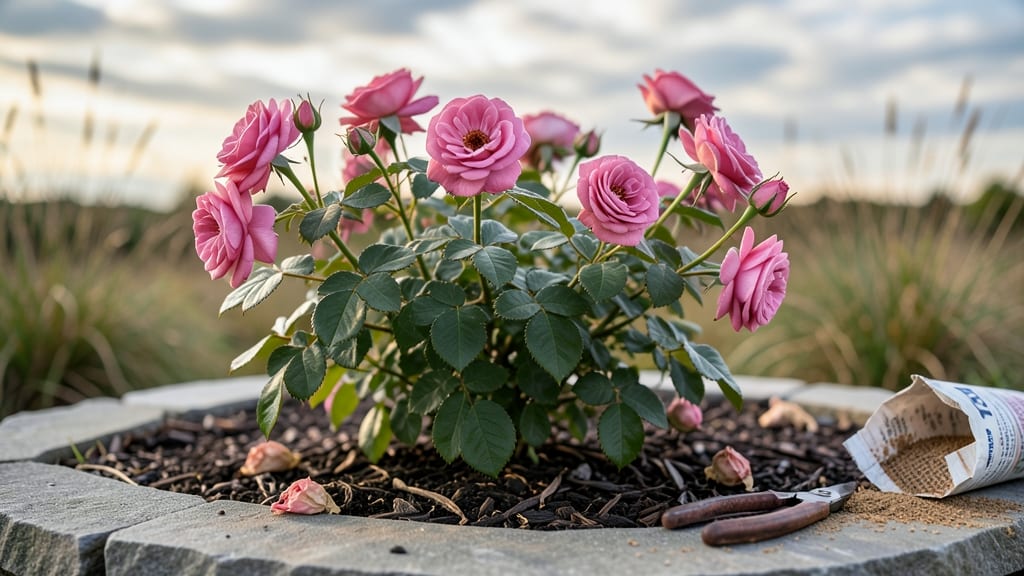
Rose season depends on your climate zone, with blooms typically arriving in late spring through summer—May to July in most temperate areas, winter to early spring in Mediterranean regions, and year-round in tropical climates with consistent care.
Understanding rose season starts with recognizing how temperature and daylight hours trigger blooming cycles. 🌸 In colder regions like USDA zones 3-5, roses often wait until after the last frost (usually May) before bursting into color, while Mediterranean varieties like Rosa gallica may bloom as early as February when nights stay mild.
The key difference? Tropical roses like Rosa chinensis can flower continuously when protected from harsh cold, though they may need winter pruning to encourage spring reblooms.
What many gardeners don't realize is that proper care can actually extend your rose season. For example, deadheading spent blooms in temperate zones can prompt a second flush in late summer, while Mediterranean roses benefit from winter pruning to remove damaged growth and stimulate new spring shoots.
The right soil preparation—adding compost in early spring—also helps roses establish stronger roots faster, leading to more abundant blooms throughout the season.
💡 In This Article
- How Climate Zones Affect Rose Blooming Timelines
- Extending Rose Blooms: Pruning and Care Tips by Season
How climate zones affect rose blooming timelines
Roses bloom in response to a perfect storm of environmental cues: primarily temperature thresholds and daylight hours. Most temperate zone roses (like hybrid teas) require consistent daytime temperatures above 60°F and 14+ hours of daylight to trigger bud formation.
This explains why May-July becomes peak season in USDA zones 6-9—nights rarely dip below 50°F, creating ideal conditions. In colder zones (3-5), roses often wait until June when soil temperatures reach 65°F at 4-inch depth, signaling it's safe to push growth.
The Mediterranean climate creates a unique paradox: roses bloom in winter months (Dec-Feb) when most temperate climates are dormant. This happens because Mediterranean roses evolved to flower during the region's mild, wet winters (avg temps 45-55°F) when rainfall provides moisture without extreme heat stress.
Species like Rosa canina (dog rose) use this pattern to avoid summer droughts, while garden varieties like 'Iceberg' may produce secondary blooms in late spring when temperatures stabilize around 70°F. 🌡️
Tropical roses (zones 10-11) operate on a different biological clock entirely. With year-round temperatures between 75-85°F and consistent humidity, they can bloom continuously if given proper care. The key difference? Tropical roses don't experience the dormancy period that temperate roses need to reset their growth cycle.
Instead, they rely on regular pruning every 4-6 weeks to stimulate new growth and maintain flowering. This explains why Hawaiian gardens can display roses in every month—what appears to be "year-round" blooming is actually carefully managed continuous production.
Daylight length plays a surprisingly large role in bloom timing. Roses in northern latitudes (zones 4-5) often bloom 2-3 weeks later than southern counterparts because they receive fewer daylight hours during critical spring months.
The photoperiod (light exposure duration) triggers hormonal changes that delay bud formation until late May or June. This is why gardeners in Minnesota might see their 'Knock Out' roses bloom in early June while identical varieties in Georgia bloom in mid-May—despite similar temperature profiles.
What most people overlook is how soil temperature affects root activity before blooms appear. Roses need soil at 55°F or warmer to activate root growth, which then supports above-ground blooming.
This explains why roses in USDA zone 7 (like Washington DC) might bloom in late April if soil warms quickly, while identical roses in zone 6 (like Chicago) wait until mid-May. The 10°F temperature difference creates a 3-week bloom delay—a critical factor for gardeners planning their seasonal displays. 🌱
For Mediterranean climates, the rainfall pattern becomes equally important. Roses in regions like Southern California often bloom in December-January because the winter rains provide necessary moisture without the heat stress of summer. This creates a reverse seasonality compared to temperate zones, where summer droughts would normally halt blooming.
The combination of cool nights (50°F) and warm days (70°F) creates perfect conditions for 'David Austin' English roses to produce their signature scented blooms during what would normally be off-season in other climates.