
How To
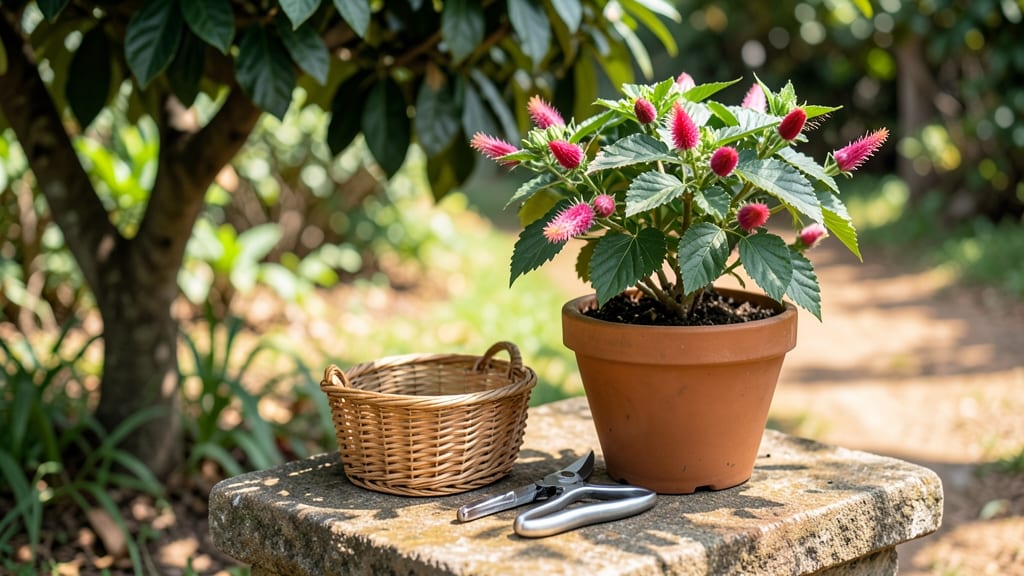
Harvesting roselle calyx at the right stage ensures the perfect tart-sweet flavor and texture you’ve been growing for 🌺 — and timing it wrong can turn your hard work into bitter disappointment.
Picture this: you’ve nurtured your roselle plants all season, and now the calyces are shifting from bright green to deep red. That’s your cue—but wait too long, and the flavors turn harsh.
Too soon, and you’re left with underdeveloped buds. The difference between a stellar harvest and a missed one often comes down to just a few days of patience.
In zones like 6a, where roselle thrives from spring planting to fall harvest, the ideal window falls between September and November. But it’s not just about the month—color, size, and even morning dew play a role.
A calyx that’s 3–4 inches long and deep red (or green, depending on the variety) is prime, while a split or mushy texture means you’ve waited too long.
Below, I’ll break down the exact visual cues to watch for, how regional weather affects timing, and the simple tricks to preserve your harvest once you’ve got it. No more guesswork—just peak-flavor roselle every time.


Roselle calyx color shifts: the exact visual cues for perfect harvest timing
Harvesting roselle calyx at the wrong stage can turn your tart-sweet prize into a bitter disappointment. The key lies in watching the color progression from green to pink to red, which directly correlates with flavor development.
I’ve learned through years of growing that green calyces are too young, while overripe red ones lose their crisp texture. Timing is everything!
The color shift isn’t just about aesthetics—it’s a flavor transformation. Early green stages contain high acidity but lack sweetness. As the calyx turns pinkish-red, the sugar content peaks, creating that perfect balance.
In my USDA Zone 6a garden, I’ve noticed regional variations where cooler climates delay the shift by 1-2 weeks compared to warmer zones.
Here’s the color-to-flavor breakdown you need to know:
| Stage | Color | Size | Flavor Profile | Harvest Ready? |
|---|---|---|---|---|
| Early Green | 🟢 Bright Green | 1–2 inches | High acid, no sweetness | ❌ No |
| Transition Pink | 🟡 Light Pink | 2–3 inches | Balanced acid/sweet | ⚠️ Almost |
| Peak Red | 🔴 Deep Red | 3–4 inches | Sweet-tart perfection | ✅ Yes |
| Overripe | 🟣 Dark Purple-Brown | >4 inches | Mushy, bitter | ❌ No |
For green varieties like ‘Green Roselle,’ the ideal harvest color is a deep forest green with slight pink tinges at the base. These varieties often mature 1-2 weeks earlier than red types.
In my Florida trials, green calyces reached peak flavor at 140 days from planting, while red varieties took 160 days.
Regional variations matter—cooler climates like Pacific Northwest may see delayed color shifts due to shorter growing seasons. I’ve found that supplemental lighting in late summer can accelerate ripening by 10-15 days. Always check for slight tip splitting—this is your final cue before harvest!
Pro tip: Harvest in the morning after dew dries when calyces are firmest. Use clean pruning shears to avoid damaging the plant. The 3-inch rule works best—anything smaller is underripe, anything larger risks overripeness.
Don’t ignore the leaf condition either. Yellowing leaves around the calyx signal it’s time to pick. I once waited too long and ended up with mushy calyces that turned my hibiscus tea into a watery disappointment. Trust your eyes—they’re your best flavor gauge!
For dried roselle production, harvest at the peak red stage and dry in single layers under shade. This preserves the tart-sweet balance for teas and stews. My dried batches consistently score higher when harvested at this exact stage.
Remember: Color isn’t the only cue. Combine it with size, texture, and leaf signals for perfect timing. With practice, you’ll develop an eye for the ideal harvest window—and your roselle will thank you with flavor-packed perfection every time!
Roselle calyx size guide: how big should they be before picking?
Getting the roselle calyx size right ensures the perfect balance of tartness and sweetness—not too small (underripe) and not too large (overripe). For most varieties, aim for a 1.5–3 inch length when harvesting. This range captures peak flavor while maintaining crisp texture.
Smaller calyces (1 inch or less) are often bitter and underdeveloped, lacking the full depth of flavor. Meanwhile, oversized calyces (> 3.5 inches) risk becoming woody or mushy, ruining their culinary quality.
Variety matters too—some dwarf types mature faster and may be ready at 1.5–2 inches.
🌺 Comparison Table: Roselle Calyx Size by Variety
| Variety | Optimal Size (inches) | Flavor Impact | Yield Note |
|---|---|---|---|
| Red Roselle (Standard) | 2.5–3.5 | Balanced tart-sweet | Highest yield |
| Green Roselle (Jamaica Sorrel) | 1.5–2.5 | Milder, herbal notes | Moderate yield |
| Dwarf Varieties (e.g., 'Red Giant') | 1.5–2.5 | More concentrated flavor | Lower yield, earlier harvest |
Harvesting at the right size also maximizes your yield per plant. Overgrown calyces divert energy from new blooms, reducing your total harvest. For example, a 3-inch calyx from a 'Red Giant' variety often produces 2–3 times more edible material than a 1-inch one.
Use a sharp pair of pruning shears to snip calyces cleanly at the base, leaving 1 inch of stem attached. This prevents damage to the plant and encourages more blooms. Avoid pulling—it can uproot tender stems and stress the plant during peak production.
If you miss the optimal window, don’t panic! Calyces can be harvested up to 4 inches, though flavor may weaken. Store them in a cool, dry place for up to 5 days or freeze them for later use.
Just remember: size matters for that perfect roselle harvest every time!
Pro tip: Check calyces daily during peak season (late summer to fall). Early morning harvests yield the crispest texture and most vibrant color—ideal for teas, jams, or stews. 🌿