
Plants
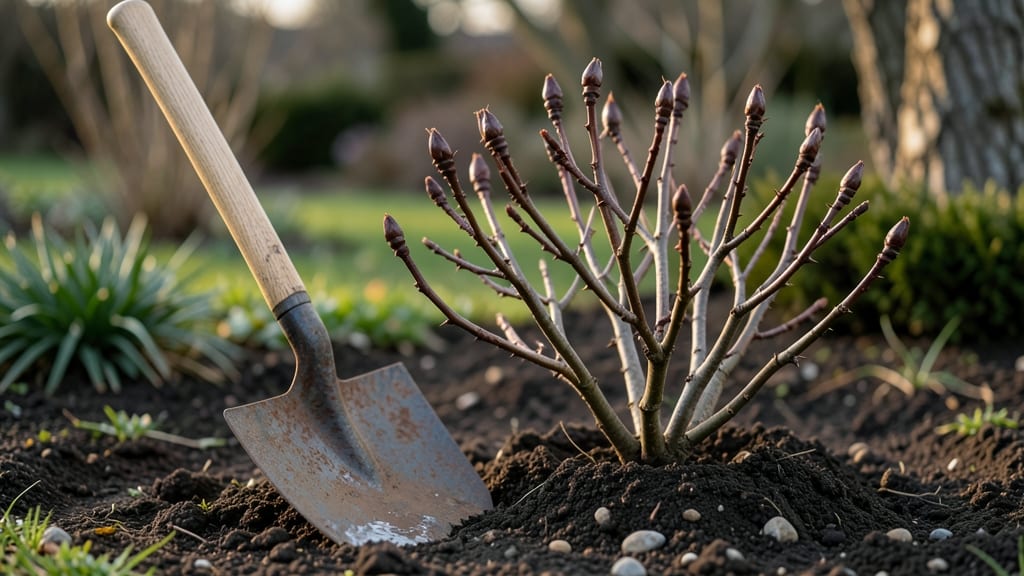
Planting roses in Connecticut at the right time means the difference between vibrant blooms all season and struggling shrubs that never quite recover.
Connecticut’s unpredictable spring weather can make planting roses a guessing game—but timing is everything for vibrant blooms that last all season. Learn the exact window to plant roses in CT’s USDA Zones 5b-6b, plus pro tips to ensure your garden thrives.
Bare-root roses need to go in the ground as soon as the soil is workable—typically by mid-April—while container-grown varieties can wait another 2-3 weeks for warmer temperatures. The key is avoiding late frosts, which can set back new growth.
In this guide, I’ll walk you through the best months for planting, how to prep your soil for Connecticut’s clay-heavy conditions, and when to adjust for coastal vs. inland microclimates. By the end, you’ll know exactly when to plant for roses that thrive year after year.
Best planting months for roses in Connecticut by Zone (5b vs 6b)
Connecticut’s USDA Zones 5b and 6b create a unique challenge for rose gardeners—spring arrives early in coastal areas but lingers inland. In Zone 5b, last frost dates average April 15, while Zone 6b sees them 2-3 weeks earlier.
Planting too early risks frost damage, but waiting too long delays root establishment. The key? Timing your roses for soil temperatures above 50°F and frost-free conditions for at least 6 weeks.
Bare-root roses—those sold without soil—thrive when planted in early spring (late March to April) before buds swell or in early fall (September) when soil stays warm but nights cool. Container-grown roses, however, offer more flexibility, letting you plant until mid-October as long as roots can establish before winter.
Understanding these differences saves your roses from transplant shock or winterkill.
Here’s the critical comparison between planting in Connecticut’s two zones, including soil temperature thresholds and frost risk analysis:
| Factor | Zone 5b (Inland) | Zone 6b (Coastal) |
|---|---|---|
| Ideal Planting Window | Late April–Early May (spring) or Early September (fall) | Mid-April–Mid-May (spring) or Late August–Early September (fall) |
| Soil Temp Threshold | 50°F+ (consistently for 1 week) | 50°F+ (consistently for 5–7 days) |
| Last Frost Date | April 15 (varies ±7 days) | April 1 (varies ±5 days) |
| Bare-Root Planting Deadline | April 30 (before buds break) | May 15 (before buds break) |
| Container Rose Deadline | October 15 (6 weeks before frost) | October 31 (6 weeks before frost) |
| Root Establishment Risk | High if planted before April 15 (frost) | Moderate if planted after May 15 (heat stress) |
| Pro Tip for CT Gardeners | Use black plastic mulch in Zone 5b to warm soil faster. | Monitor coastal winds—they can delay soil warming. |
For Zone 5b gardeners, the window between last frost and summer heat is narrow—typically just 6–8 weeks. Planting bare-root roses too early risks frost damage to tender new growth, while waiting until May means roots struggle to establish before summer’s heat sets in.
I’ve found success by testing soil temperature with a soil thermometer—aim for 55°F+ at 4 inches deep before planting.
Container-grown roses, however, give you more leeway. Their established root systems handle slightly cooler soil and can be planted up to 2 weeks later than bare-root varieties.
This is why I always opt for containers if I miss the spring window—just be sure to water deeply after planting to reduce transplant shock.
Fall planting in Connecticut is equally critical. In Zone 6b, aim to plant by early September to allow roots to establish before the first frost, which typically arrives around October 20.
In Zone 5b, push that deadline to mid-September to give roots extra time. The goal? 6–8 weeks of root growth before winter dormancy begins.
One common mistake I see is planting roses in late spring (June+). While possible, roses planted this late often bolt to bloom—producing flowers at the expense of root growth.
This leads to weak plants that struggle through Connecticut’s humid summers and freeze-thaw cycles. To avoid this, I always prioritize root establishment over early blooms.
Local microclimates also play a role. Coastal Zone 6b areas like Groton or New London can be 3–5°F warmer than inland Zone 5b spots like Hartford or Waterbury.
Use this to your advantage: if you’re in a warmer microclimate, you can plant 1–2 weeks earlier in spring or 2 weeks later in fall. Always check local frost date maps from the CT Agricultural Experiment Station for precise timing.
Finally, don’t overlook soil preparation. Connecticut’s clay-heavy soils drain poorly, which can suffocate rose roots. Amend your soil with compost and sand before planting, and consider raising beds in Zone 5b areas where frost lingers. This small step makes all the difference in root health and bloom production.
With the right timing and soil prep,
5 Critical signs your Connecticut soil is ready for rose planting
Planting roses in Connecticut’s clay-heavy, variable soil requires patience and preparation. Many gardeners rush planting, only to see roses struggle with poor drainage or cold soil. Before you dig, check these 5 essential soil conditions to ensure your roses thrive from day one.
Connecticut’s USDA Zones 5b-6b mean soil temperatures fluctuate wildly between seasons. Roses need warm, workable soil (at least 50°F) to establish roots quickly. Cold, wet soil can suffocate roots and invite fungal diseases—common pitfalls in Connecticut’s spring.
🌱 Numbered Highlights: Connecticut Soil Readiness Checklist
- Soil Temperature: 50°F+ (use a soil thermometer—CT’s clay stays cold longer than sandy soil).
- Moisture Level: Damp but not soggy (stick your finger 2" deep—should feel like a wrung-out sponge).
- Drainage Test: Dig a 12" hole—if water pools after 6 hours, amend with compost or sand (CT clay holds water like a sponge).
- pH Balance: 6.0–6.5 (test with a kit—CT’s natural pH often skews acidic; lime can help).
- Frost Risk: No hard frost forecast for 2 weeks (check CT Agricultural Experiment Station for local alerts).
For clay-heavy Connecticut soil, drainage is the biggest hurdle. If water pools after rain, mix in 3 inches of compost or coarse sand to improve aeration. I’ve seen roses drown in CT’s heavy clay—don’t let that be you!
Test your soil’s drainage by filling a hole with water and timing how long it takes to drain.
Timing matters just as much as soil prep. In Zone 5b, aim for late April to early May when soil warms to 55°F. Zone 6b gardeners can plant 2 weeks earlier, but always wait until after the last frost date (typically April 15, but verify locally).
Fall planting is another option—September to early October—but soil must stay frost-free for 4–6 weeks post-planting.
Don’t skip the soil temperature check—even if your neighbor’s roses are blooming, their soil might be warmer due to microclimates. Use a $10 soil thermometer from your local garden center. Pro tip: Morning soil temps are the most accurate for planting decisions.
Once your soil passes these checks, your roses will establish roots 3x faster and bloom 2 weeks earlier than in unprepared soil. Skip the prep, and you’ll spend summer wrestling with wilted stems instead of admiring vibrant blooms. 🌹