
Plants
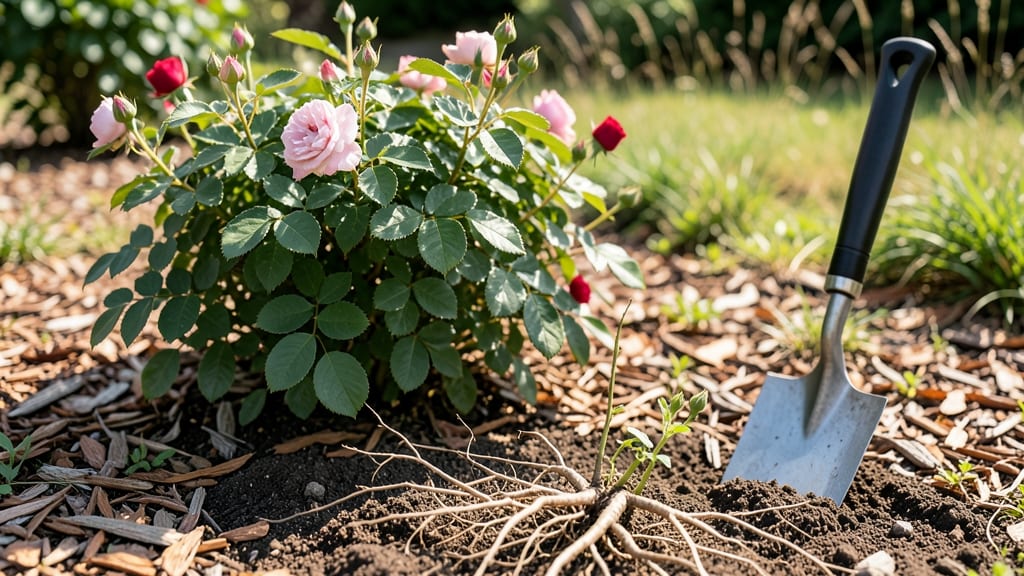
Planting roses in New York between mid-April and mid-May sets them up for a season of lush blooms 🌹—but timing is everything, especially when frost can still linger in Zone 6.
New York gardeners know timing is everything—and planting roses at the wrong time can mean wilted dreams instead of vibrant blooms. But master these exact planting windows for USDA Zones 6 and 7, and you’ll enjoy roses that burst into color year after year.
Bare-root roses planted too early risk frost damage, while container-grown varieties left too late may struggle in summer heat. The key is aligning your schedule with soil warmth and local microclimates—whether you’re in Upstate’s cooler hills or NYC’s urban warmth.
In this guide, I’ll break down the best months for your zone, soil prep secrets, and how to tell if you’ve planted at the perfect (or disastrous) moment.
Best planting months for roses in NY by USDA Zone (6 vs 7)
New York’s USDA Zones 6 and 7 create distinct planting windows for roses, where timing directly impacts root establishment and summer survival. In Zone 6 (Upstate NY, Hudson Valley), last frosts typically arrive mid-April to early May, while Zone 7 (Long Island, NYC) enjoys earlier soil warming.
Planting too early risks frost damage, while waiting too long stresses young roots before summer heat arrives.
The ideal window shifts slightly between zones: March 15-April 15 for Zone 7 and April 15-May 15 for Zone 6. This aligns with soil temperatures reaching 50°F (10°C)—the threshold roses need to thrive. Bare-root roses, in particular, benefit from early planting (March-April) to establish roots before buds swell.
Here’s the critical difference: Zone 7’s soil warms faster, allowing March plantings, while Zone 6’s later frost dates demand waiting until April. Container-grown roses, however, can handle late spring plantings (May-June) with minimal stress, as their root systems are already established.
Why early spring? Roses planted in cool but frost-free soil develop robust root systems before summer’s heat. This gives them a 3-4 week head start over fall-planted roses, which must contend with winter dormancy before blooming. For fall planting (September), only container-grown roses are recommended in Zone 7—bare-root varieties won’t survive winter if planted too late.
For Zone 6 gardeners, I recommend testing soil temperatures with a soil thermometer before planting. Aim for consistent 50°F (10°C) readings at 4-inch depth—this ensures roots won’t shock from sudden warmth.
In Zone 7, where March plantings are possible, watch for unpredictable late frosts (especially in inland areas like Suffolk County).
Container-grown roses offer flexibility for late spring plantings (May-June) in both zones, but they require extra watering during their first summer. These roses already have established root balls, so they handle warmer soil better than bare-root varieties. However, they’re 20-30% more expensive, so weigh your budget against convenience.
One common mistake I see in NY gardens? Planting bare-root roses in cold, wet soil (March in Zone 6). This causes root rot before the plant can establish. Instead, amend soil with compost to improve drainage, and consider raising beds slightly in heavy clay areas (common in Western NY).
If you’re in Zone 7 and tempted to plant in September, stick to container-grown, disease-resistant varieties like Knock Out® roses. These handle fall planting better and bloom earlier the following spring. For bare-root roses, spring planting remains the gold standard—even in milder Zone 7.
Remember: Root growth, not blooms, is your priority in the first year. A rose planted in April-May will focus energy on root development, while one planted in June-July will struggle to establish before winter.
For maximum blooms next season, follow your zone’s early spring window—your future roses will thank you!
How to prepare your NY garden for rose planting success
New York’s variable climate demands careful garden prep before planting roses. Whether you’re in Zone 6 or Zone 7, the key to success lies in soil health, sunlight placement, and seasonal timing.
Let’s break down exactly how to prepare your garden for vibrant, thriving roses that withstand NY’s unpredictable weather. Start with well-draining soil—roses hate soggy roots—and work in organic matter to improve structure and fertility.
Before you even dig, test your soil pH. Roses prefer a slightly acidic to neutral range of 6.0 to 6.5. If your soil tests higher, amend it with peat moss or sulfur; if it’s too acidic, add lime.
My garden in Upstate NY had a pH of 7.2, so I mixed in composted pine bark to lower it naturally. This step alone can make the difference between stunted growth and lush blooms.
- 🌱 Step 1: Test soil pH (ideal: 6.0–6.5) using a home test kit or send a sample to Cornell Cooperative Extension.
- 🌿 Step 2: Amend soil with 3–4 inches of compost or aged manure mixed into the top 12 inches of soil.
- ☀️ Step 3: Choose a sunny spot with 6+ hours of direct sun—roses need full sun to bloom abundantly.
- 🪴 Step 4: Loosen soil to a depth of 18–24 inches to encourage root penetration and water absorption.
- 💧 Step 5: Water deeply before planting to settle the soil and reduce transplant shock.
- 🌳 Step 6: Mulch heavily (3–4 inches) with wood chips or straw to retain moisture and insulate roots in winter.
NY’s hot summers and cold winters can stress roses if their roots aren’t protected. After planting, apply a 3–4 inch layer of mulch around the base of your roses, keeping it 2–3 inches away from the stem to prevent rot.
I use hardwood mulch because it breaks down slowly and adds nutrients over time. This layer also helps regulate soil temperature, keeping roots cool in summer and warm in winter—critical for Zone 6 gardeners facing harsh frosts.
Don’t overlook drainage. Roses despise waterlogged soil, which can lead to root rot and fungal diseases. If your garden has clay soil (common in parts of Long Island), mix in sand or perlite to improve drainage.
In sandy soil (like parts of the Hudson Valley), add compost or coconut coir to help retain moisture. A simple percolation test—digging a hole, filling it with water, and checking how quickly it drains—can save you from costly mistakes.
Finally, space your roses properly to ensure good airflow, which reduces the risk of black spot and powdery mildew. Most shrub roses need 2–3 feet of space between plants, while climbing varieties should have 3–4 feet of clearance.
In my NYC rooftop garden, I planted roses in raised beds with gravel at the bottom for extra drainage—a game-changer for urban gardeners with compacted soil.
With these steps, your NY garden will be ready to welcome roses that thrive year after year. Remember, preparation is key—especially in a climate as unpredictable as ours. Happy planting! 🌹