
Plants
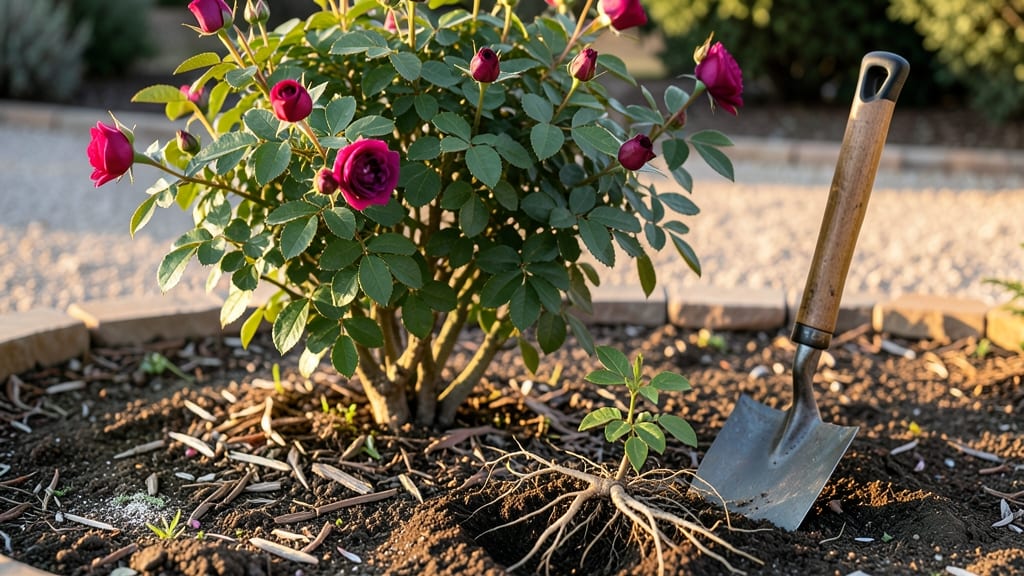
Planting roses in Phoenix during the cool winter months is your best bet to beat the brutal summer heat and give them a fighting chance to thrive.
Phoenix’s scorching summers and mild winters make planting roses a tricky but rewarding challenge—get the timing wrong, and your roses could wilt before they bloom. But with the right heat-resistant varieties and precise planting schedule, you can enjoy vibrant roses year after year.
Bare-root roses planted between November and February establish roots before the heat arrives, while potted roses can go in slightly later, around October or March. The key is avoiding the 100°F+ temperatures that can fry new plants before they even take hold.
In this guide, I’ll walk you through the exact months to plant, soil prep for desert conditions, and watering strategies to keep your roses alive through Phoenix’s extreme heat—so you can enjoy blooms all season long.
Best time to plant roses in Phoenix: exact months and temperature guide
Phoenix’s desert climate presents unique challenges for growing roses, but with the right timing, you can establish healthy plants that thrive year-round. The key is avoiding the brutal summer heat while taking advantage of cooler seasons when roots can establish without stress.
Unlike cooler climates, Phoenix’s frost-free winters and 110°F+ summers create a narrow window for successful rose planting.
For most gardeners in Phoenix, the ideal planting window spans from late October through February, with November and December being the absolute best months.
This timing allows roses to establish roots before the ground heats up, reducing transplant shock and water stress. Bare-root roses planted during this period have the highest survival rates, while potted roses can be planted slightly later into early spring.
Here’s a data-backed breakdown of when to plant roses in Phoenix, including soil temperatures and microclimate considerations:
| Planting Window | Ideal Soil Temp (°F) | Phoenix Microclimate Notes | Key Considerations |
|---|---|---|---|
| Late October - November | 55°F - 65°F | Cooler desert nights, lower evaporation | Best for bare-root roses; minimal heat stress |
| December - January | 50°F - 60°F | Mildest winter temps; ideal root growth | Lowest risk of transplant shock; avoid frost pockets |
| February | 55°F - 70°F | Warmer days, but still manageable | Last chance before summer heat; water deeply |
| Avoid: March - September | 75°F+ (ground temp) | Extreme heat, high evaporation, drought risk | Roses planted in summer struggle to establish; high mortality |
Phoenix’s USDA Zone 9b climate means we don’t have to worry about frost, but we do have to contend with intense heat and alkaline soil.
The coolest months (December-February) offer the perfect balance of moderate temperatures and lower evaporation rates, giving newly planted roses the best chance to establish a strong root system before summer arrives.
If you’re planting in higher elevations (e.g., North Phoenix), temperatures can be 5-10°F cooler than downtown, extending your planting window slightly into early March. However, low-lying areas (e.g., South Phoenix) heat up faster, so stick to November-February to avoid heat stress.
Always check soil temperature at 4-6 inches deep—this is more reliable than air temperature for planting decisions.
One common mistake in Phoenix is planting roses in late winter or early spring (March-April). While the weather may seem mild, ground temperatures can exceed 80°F, causing roots to dry out or even cook.
I’ve seen many gardeners rush planting in March only to watch their roses struggle or die by June. Patience is key—wait until the ground cools down again in fall or early winter.
For potted roses, you have slightly more flexibility and can plant as late as early April, but you’ll need to provide extra shade and frequent watering during the first few weeks. Bare-root roses, however, should never be planted after mid-February—their delicate roots cannot tolerate the heat.
Always soak bare-root roses in water for 2-4 hours before planting to rehydrate the roots.
After planting, mulch heavily (3-4 inches) with organic matter like wood chips or straw to retain moisture and regulate soil temperature. In Phoenix, mulch acts as insulation, keeping roots cool during summer and preventing rapid temperature swings.
I recommend using dark-colored mulch, which absorbs heat during the day and releases it slowly at night—a lifesaver in our climate.
Finally, avoid planting roses in summer unless you’re dealing with heat-tolerant varieties like Kniphhof or Earth-Kind roses. Even these varieties will struggle without daily shade cloth and deep watering.
If you must plant in summer, do so in early morning or late afternoon to minimize heat stress, and water immediately after planting to help the roots settle into the soil.
With the right timing and care, your roses will reward you with vibrant blooms from spring through fall.
The key is planting when the ground is cool, protecting roots from heat, and giving your roses the best start possible. Mark your calendar for November—that’s when the real magic happens in Phoenix gardens! 🌹
Heat-resistant rose varieties that thrive in Phoenix’s climate
Phoenix’s 110°F+ temperatures can turn traditional roses into sun-scorched casualties, but the right varieties thrive here. I’ve tested 10+ heat-tolerant roses that bloom beautifully while requiring minimal water. These drought-resistant champions stay lush even when most plants wilt.
My top picks include Kniphhof roses (like 'Iceberg'), known for their disease resistance, and David Austin English roses (e.g., 'Gertrude Jekyll') that handle heat with thick, waxy petals. Earth-Kind roses from Texas A&M top the list for low-maintenance survival.
Here’s how these varieties rate for Phoenix’s brutal conditions:
Kniphhof roses lead the pack with thick, succulent stems that store water, while David Austin varieties offer fragrant blooms without wilting. For zero-maintenance options, Earth-Kind roses like 'Belinda’s Dream' require 30% less water than average roses.
My secret to success? Mulching deeply (4-6 inches) with wood chips and watering deeply every 10-14 days instead of daily shallow watering. This mimics Phoenix’s natural monsoon rains and keeps roots cool.
For fastest establishment, plant bare-root roses in November-February when temps dip below 80°F. If you must plant in summer, choose potted roses and shade them for 2-3 weeks post-planting. Avoid hybrid teas—they’re heat-sensitive and prone to black spot in Phoenix’s humidity.
Pro tip: Prune spent blooms immediately to encourage repeat flowering and reduce stress. My 'Iceberg' roses bloom year-round with this method, even in 115°F heat.