
Flowers
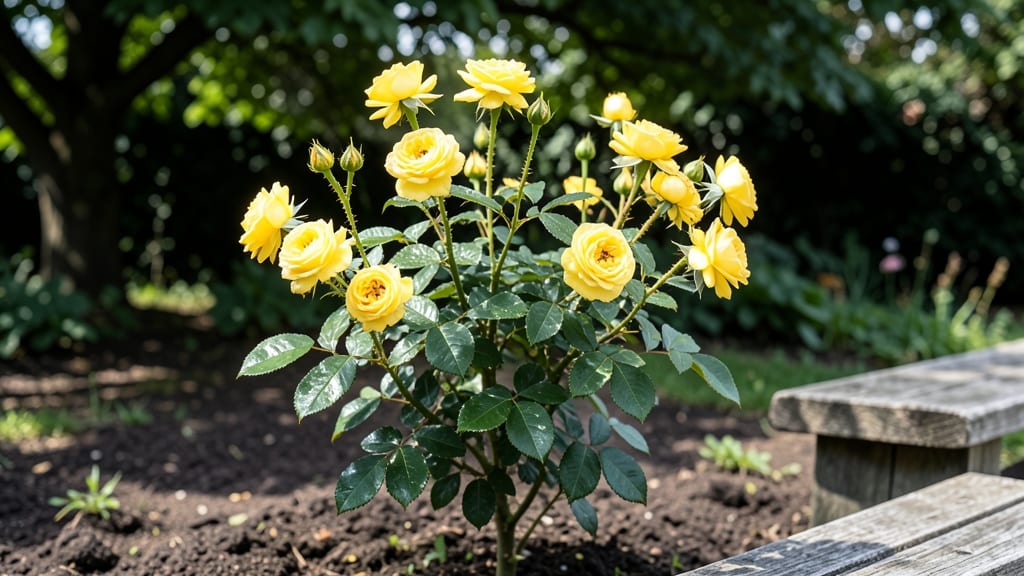
Small yellow roses aren’t just flowers—they’re the sunshine that turns any garden corner into a cheerful retreat. 🌼 Their compact size and fragrant blooms make them perfect for containers, borders, or climbing trellises where space is limited but charm isn’t. I’ve used them to brighten patios, soften modern edges, and even weave into cottage-style gardens, and they never fail to draw compliments.
Pair them with lavender for a modern contrast or mix in with wildflowers for a cottage-garden feel. Their golden hue pops against deep greens, purple blooms, or even silver foliage, creating instant visual interest.
And because they stay compact, they won’t overwhelm small spaces—just add a trellis or let them spill over container edges for effortless elegance.
📚 In This Guide
- What you need
- Instructions
- Tips and common mistakes
- Wrapping up and next steps
What you need
- ● Yellow Rose Small Variety: Choose a compact, fragrant climber like 'The Fairy' or 'Iceberg'—both thrive in containers!
- ● Container: A 5-gallon pot (18-24" diameter) with drainage holes (or a self-watering planter). Ensure it’s at least 12" deep for root growth.
- ● High-Quality Potting Mix: A well-draining blend (e.g., 60% garden soil, 30% perlite, 10% compost). Avoid heavy clay soil!
- ● Slow-Release Fertilizer: A balanced 10-10-10 or rose-specific granules (follow package instructions for application).
- ● Support Structure: For small climbers: A 3-4 ft trellis, obelisk, or decorative cage (ensure it’s sturdy!).
- ● For sprawling varieties: A wide wire mesh or wall-mounted grid.
- ● Mulch: 2-3 inches of organic mulch (e.g., shredded bark or straw) to retain moisture and regulate temperature.
- ● Hand Trowel or Small Spade for planting.
- ● Pruning Shears (sterilized with rubbing alcohol) for trimming.
- ● Watering Can or Hose with Gentle Nozzle (avoid overhead watering to prevent fungal diseases).
- ○ Gloves (optional but recommended—roses can have thorns!).
- ● Sunlight Spot: A location with 6-8 hours of direct sunlight daily (partial shade in hot climates is fine).
- ○ Drip Irrigation or Self-Watering System (Optional): Helps maintain consistent moisture, especially in containers.
- ● 🌡️ Temperature: Yellow roses prefer 60-75°F (15-24°C). Use frost cloths in cold climates.
- ● 💧 Watering: Keep soil evenly moist but not soggy—containers dry out faster!
- ● 🎯 Pruning: Trim dead or overcrowded branches in early spring to encourage bushier growth.
Step-by-step instructions for growing compact yellow climbing roses
Here's how to grow your own fragrant, space-saving yellow roses that thrive in containers.
🪴 Step 1: Choose the Right Container and Soil Mix
Select a container at least 12-15 inches deep with drainage holes—yellow roses need room for their roots to establish. I like using glazed ceramic pots because they retain moisture while allowing airflow. For four plants, you'll need four separate containers or one large planter with 18 inches of diameter.
Fill the bottom third with gravel or perlite for drainage. Then add a high-quality potting mix blended with 20% compost. This ensures your roses get the nutrients they love while preventing soil compaction. Tap the container gently after filling to settle the mix without packing it down too firmly.
🌱 Step 2: Plant Bare-Root Roses at the Right Time
Plant your yellow roses in early spring or early fall when temperatures are cool but not freezing. Handle bare-root plants carefully—they're delicate until their roots establish. Soak the roots in water for 1-2 hours before planting to rehydrate them. This step is crucial because dry roots struggle to adapt.
Dig a hole in your container deep enough to bury the plant's graft union 2-3 inches below soil level. The graft union is the swollen area near the base where the rose was attached to its rootstock. Position the plant so the roots spread naturally, then backfill with soil, pressing gently to remove air pockets. Water thoroughly until water runs from the drainage holes.
☀️ Step 3: Provide Proper Light and Watering
Yellow roses need 6-8 hours of direct sunlight daily to bloom their best. Place your containers in a location where they'll get morning sun and afternoon shade if temperatures exceed 85°F. If you're growing in a shady spot, expect fewer blooms but healthier foliage.
Water deeply 2-3 times per week, allowing the top 2 inches of soil to dry out between waterings. In containers, roses dry out faster than in-ground plants. You'll know your watering is right when the soil feels damp but not soggy to the touch. Mulch the surface with 1-2 inches of organic mulch to retain moisture and regulate soil temperature.
✂️ Step 4: Prune and Fertilize for Continuous Blooms
Prune your roses in early spring by cutting back the previous year's growth by one-third. Remove any dead, diseased, or crossing branches. Prune again after each flush of blooms to encourage new growth. I like to shape my roses lightly after each pruning session—just enough to maintain their compact form and open the center for airflow.
Feed your roses with a balanced rose fertilizer every 4-6 weeks during the growing season. Follow the package instructions for application rates. Avoid over-fertilizing, which can lead to lush foliage but fewer flowers. You'll see the best results when you fertilize right after pruning, giving the plant a growth boost as it recovers.
🌿 Step 5: Support Growth and Enjoy Your Fragrant Climber
Install a trellis, obelisk, or small arch near your container to support your climbing roses. Choose a support that's at least 4 feet tall to accommodate the compact growth habit. Tie the main stems loosely to the support with soft plant ties or strips of old fabric. Avoid wire ties—they can cut into the stems as the plant grows.
Watch for aphids or black spot disease, which are common issues with yellow roses. Spray plants with neem oil or a fungicide if you notice yellow spots on the leaves or sticky residue on new growth. With proper care, your compact yellow roses will reward you with fragrant blooms all season long. Enjoy the sweet scent and the beauty they bring to your space!
Tips & tricks for perfect compact yellow climbing roses
These simple strategies will help your container-grown yellow roses thrive and bloom beautifully all season long.
Root Revival: That 1-2 hour soak before planting is non-negotiable for bare-root roses. I've learned the hard way—skipping this step means roots struggle to adapt, leading to weak growth. Fill a bucket with room-temperature water and let the roots soak while you prepare your containers. You'll see stronger establishment and faster blooming.
Container Depth Matters: When selecting your 12-15 inch deep containers, remember that depth is more important than width for climbing roses. Shallow containers cause root binding, which stresses plants and reduces blooms. If you're using a single large planter for four plants, make sure it's at least 18 inches in diameter to give roots proper space to spread.
Light Balance: The 6-8 hours of direct sunlight is critical, but don't ignore the afternoon shade rule when temperatures hit 85°F. I've seen many gardeners burn their roses by leaving them in full sun all day. Move containers to partial shade during peak afternoon heat to prevent leaf scorch while maintaining that vibrant yellow color you love.
Pruning Precision: When you cut back by one-third in early spring, focus on removing old wood and crossing branches. I like to make cuts just above an outward-facing bud to encourage new growth. After each flush of blooms, give your roses a light shaping—this keeps them compact and prevents overcrowding that can lead to disease.
Pro Tips for Yellow Rose Small
- These simple strategies will help your container-grown yellow roses thrive and bloom beautifully all season long.
- Root Revival: That 1-2 hour soak before planting is non-negotiable for bare-root roses.
- Container Depth Matters: When selecting your 12-15 inch deep containers, remember that depth is more important than width for climbing roses.
Frequently asked questions
Got questions about growing and caring for Yellow Rose Small in containers? We’ve got answers!
Whether you're a beginner or a seasoned gardener, these FAQs will help you keep your compact climber thriving.
How often should I water my Yellow Rose Small in a container?
Water your Yellow Rose Small when the top 1-2 inches of soil feel dry. Containers dry out faster than garden beds, so check daily in hot weather. Overwatering can harm roots, so ensure pots have drainage holes. A self-watering container or moisture meter can help maintain consistency!
When is the best time to prune my Yellow Rose Small?
Prune your Yellow Rose Small after the first flush of blooms in spring to encourage bushier growth. Lightly trim dead or overgrown stems in late summer to promote new flowers. Avoid heavy pruning in fall or winter, as the plant needs energy to recover for the next season.
Can I grow Yellow Rose Small in a small pot, or does it need more space?
Yes! Yellow Rose Small is perfect for containers, but choose a pot at least 12-15 inches wide to accommodate its roots. If you’re using a smaller pot, opt for dwarf varieties or prune regularly to control growth. Ensure the container has good drainage to prevent root rot.
What pests should I watch for, and how can I treat them?
Common pests include aphids, spider mites, and rose slugs. Spray affected areas with neem oil or insecticidal soap for mild infestations. For severe cases, introduce beneficial insects like ladybugs or consult a local nursery for targeted solutions. Regularly inspect leaves and stems to catch issues early!
How much sunlight does a Yellow Rose Small need in a container?
Yellow Rose Small thrives in full sun (6+ hours daily) but can tolerate partial shade, especially in hot climates. If growing in a container, place it where it gets morning sun and afternoon shade to prevent wilting. Adjust placement as seasons change to maintain optimal light exposure.
Wrapping up and next steps
The Yellow Rose Small is a fragrant, space-saving gem that brings charm and elegance to containers with minimal effort. Its compact climbing habit and sweet scent make it perfect for balconies, patios, or small gardens—proving that big beauty doesn’t require big space.
Whether you’re a beginner or a seasoned gardener, this versatile rose is a delightful addition to any outdoor setting.
Ready to grow your own? Start small, plant with care, and watch your little climber bloom into a fragrant masterpiece! 🌸💛