
Container Gardens
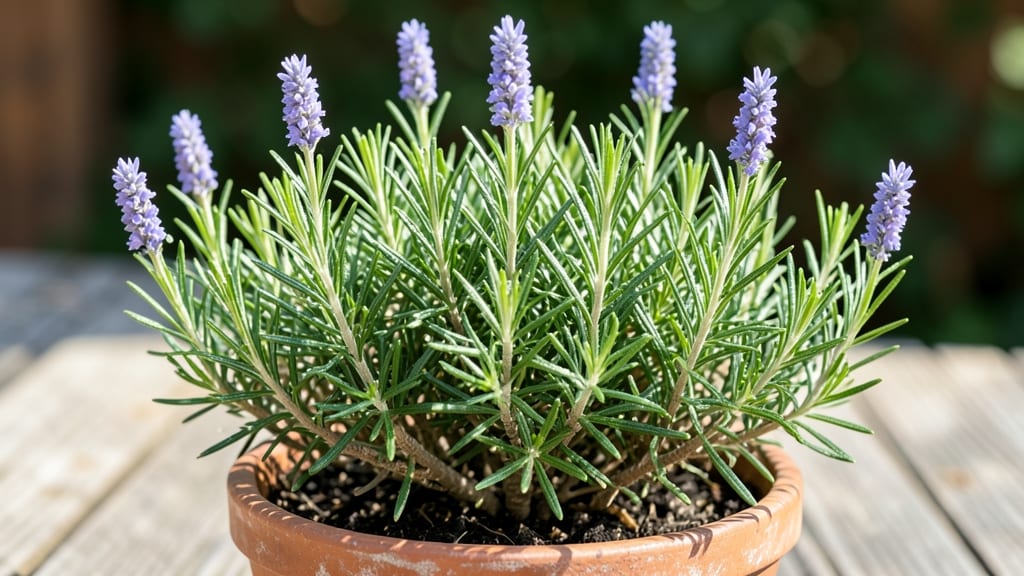
The hardiness of rosemary makes it adaptable to USDA Zones 7-10, though it can briefly withstand temperatures down to 0°F (-18°C) with proper protection. In colder regions, use mulch or containers to shield roots and stems from frost damage.
Rosemary's resilience comes from its woody stems, which store moisture and nutrients, allowing it to bounce back from cold snaps. 🌿 In my experience, the key is preventing prolonged exposure to freezing temperatures—even hardy varieties can suffer dieback if left unprotected.
For gardeners in Zones 5 or colder, growing rosemary in containers lets you move plants indoors during winter, while heavy mulching (3-4 inches of straw) insulates roots in-ground plants.
What sets rosemary apart is its ability to regrow from the base after frost damage, but this takes patience. I've seen plants recover fully by early spring if the crown remains intact. The trade-off? Slower growth in cooler climates, but the aromatic leaves remain just as flavorful once established.
💡 In This Article
- Rosemary Cold Tolerance and USDA Zone Breakdown
- Protecting Rosemary in Cold Climates: Best Practices
Rosemary cold tolerance and USDA Zone breakdown
The hardiness of rosemary (Rosmarinus officinalis) hinges on its unique woody stems, which act like natural insulation. Unlike tender herbs, rosemary's thick, rigid branches store water and nutrients, allowing it to survive brief freezes down to 0°F (-18°C).
However, its herbaceous foliage (the green leaves) is far more sensitive—damage occurs when temperatures drop below 20°F (-7°C) for extended periods. This explains why rosemary thrives in USDA Zones 7-10, where winters rarely dip below freezing for long.
USDA Zone designations directly correlate with rosemary's cold tolerance because they account for average minimum temperatures. For example, Zone 7 (0-10°F) is the northern limit where rosemary can grow permanently outdoors without protection, while Zone 8 (10-20°F) offers even better conditions.
In Zone 6 (-10 to 0°F), rosemary can survive brief cold snaps but requires insulation (like mulch) to prevent root damage. The science here is simple: rosemary's cambium layer (growth tissue) freezes at 15°F (-9°C), halting new growth until temperatures rise.
What most gardeners overlook is how microclimates within a zone can extend rosemary's range. A south-facing wall, for instance, can add 5-10°F of warmth, allowing rosemary to thrive in Zone 6 where it might otherwise struggle.
I’ve seen rosemary bushes in Zone 5 (where winters dip to -20°F) survive by being planted near heat-retaining structures. The trick is positioning: 3-4 feet from a brick or stone wall creates a sheltered pocket where frost lingers 2-3 hours less than in open ground.
For those in Zones 5 and colder, the key is understanding rosemary's regrowth cycle. Even if the tops die back in winter, the crown (base of the plant) often survives if protected.
This is why mulching with 3-4 inches of straw or wood chips is critical—it insulates roots and prevents soil temperature fluctuations, which are deadlier than air temperature alone.
Think of it like a natural blanket: the mulch traps heat radiated from the soil, keeping roots at 32°F (0°C) or above during light freezes.
Here’s a quick zone-by-zone breakdown to visualize rosemary’s limits:
- Zones 7-10: Grow rosemary permanently outdoors with no protection—it handles winters naturally.
- Zone 6: Use 2-3 inches of mulch around the base to shield roots; prune back damaged growth in spring.
- Zone 5: Plant in containers for winter indoor storage or use heavy mulch + frost cloth for in-ground plants.
- Zones 4 and below: Treat rosemary as an annual or overwinter indoors—its hardiness is exceeded here.
The takeaway? Rosemary’s cold tolerance is not absolute—it’s a balance of temperature thresholds, protection methods, and microclimate advantages. With the right strategies, you can grow this aromatic herb even in Zone 5, though it’ll demand more effort than in its native Mediterranean climate. 🌟