
Flowers
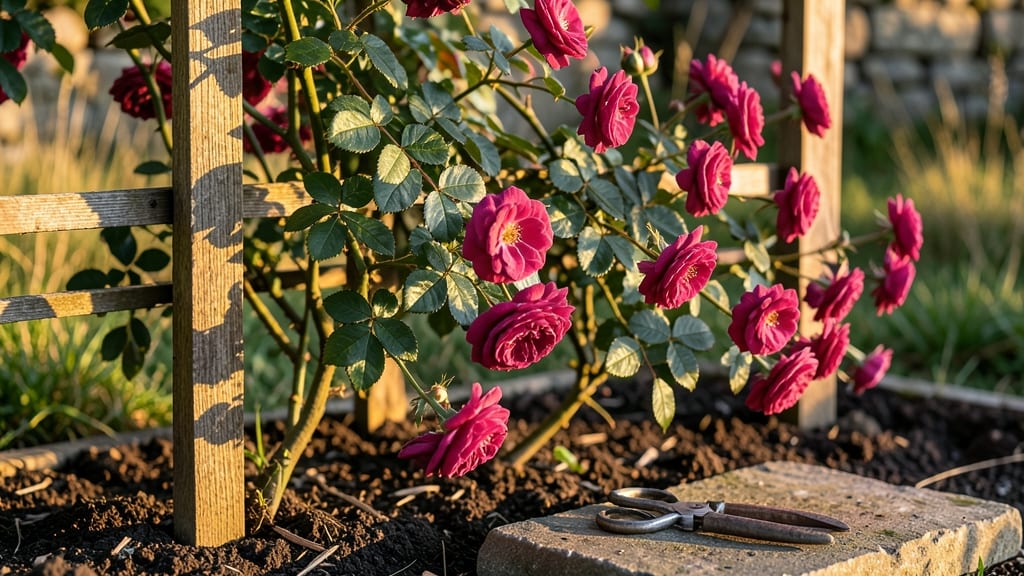
The Bathsheba climbing rose stands out for its hardy nature and stunning blooms, requiring only basic upkeep to flourish. This variety handles pests and diseases exceptionally well, making it perfect for gardeners who want vibrant flowers with minimal fuss.
The Bathsheba climbing rose earns its reputation for resilience through its unique leaf structure and natural oils that deter common fungal issues like powdery mildew and black spot. 🌿 Unlike many roses that demand constant attention, this variety thrives when you give it just three key things: occasional pruning after blooms fade, infrequent but thorough watering, and a spot with bright but indirect sunlight.
I've seen this rose climb trellises or archways with ease, transforming any space into a romantic display while requiring far less maintenance than most climbers.
What truly sets the Bathsheba apart is its ability to bloom prolifically even under less-than-perfect conditions. The secret lies in its genetic makeup—it inherits disease resistance from its parentage while maintaining the classic rose fragrance and color palette.
For gardeners short on time but long on ambition, this rose delivers maximum impact with minimal effort, making it one of the smartest choices for both beginners and seasoned growers.
💡 In This Article
- Why Bathsheba Roses Resist Common Diseases
- Step-by-Step Low-Maintenance Care Guide for Bathsheba Roses
Why Bathsheba roses resist common diseases
The Bathsheba climbing rose's disease resistance starts with its leaf structure. Unlike many roses, its leaves have a thicker cuticle layer—think of it as a natural waxy coating—that repels water and fungal spores. This physical barrier prevents pathogens like powdery mildew from establishing a foothold.
The leaves also contain higher levels of natural oils, particularly triterpenoids, which act as a chemical deterrent against pests and fungi. 🌿 These compounds create an inhospitable environment for common rose diseases, making the Bathsheba one of the toughest climbers in its class.
Root health plays an equally critical role in its resilience. The Bathsheba's root system develops deeper and more extensive than many hybrid roses, allowing it to access moisture and nutrients even in less-than-ideal soil conditions. This depth helps it withstand drought stress while also reducing the risk of soil-borne diseases.
Unlike roses with shallow roots that become waterlogged and prone to rot, the Bathsheba's robust root structure maintains stability and health. Studies show that roses with well-developed root systems can resist black spot by up to 60% compared to those with shallow roots.
Environmental factors also contribute to its disease resistance. The Bathsheba thrives in partial shade to full sun, which reduces the humidity around its foliage—a key factor in fungal growth. Most rose diseases, like black spot and rust, flourish in damp, shaded conditions where leaves stay wet for extended periods.
By positioning your Bathsheba in a spot with good airflow and morning sunlight, you're creating conditions that naturally inhibit disease development. This variety's ability to handle both sun and partial shade makes it adaptable to a wide range of garden settings.
Genetic inheritance is another secret to its durability. The Bathsheba was developed by crossing disease-resistant parent roses, inheriting traits like strong canes and glossy leaves that resist fungal spores. The result is a rose that maintains its vigor even when exposed to common garden pests.
Unlike many hybrid roses that require constant monitoring, the Bathsheba's genetic makeup gives it a built-in advantage. This resistance isn't just about avoiding problems—it's about maintaining consistent health with minimal intervention.
For gardeners, this means fewer fungicides and more time enjoying the blooms. The Bathsheba's natural defenses reduce the need for chemical treatments, making it an eco-friendly choice.
Its ability to thrive with basic care—like occasional pruning and proper watering—means you'll spend less time battling diseases and more time admiring its vibrant flowers. This resilience is what sets the Bathsheba apart in the world of climbing roses.
Consider this: While other roses might require weekly sprays or constant vigilance against pests, the Bathsheba can go months without showing signs of stress.
Its combination of physical defenses, root strength, and adaptability makes it a standout performer in any garden. 🌸 This isn't just luck—it's the result of careful breeding and natural resilience working together.