
Planting
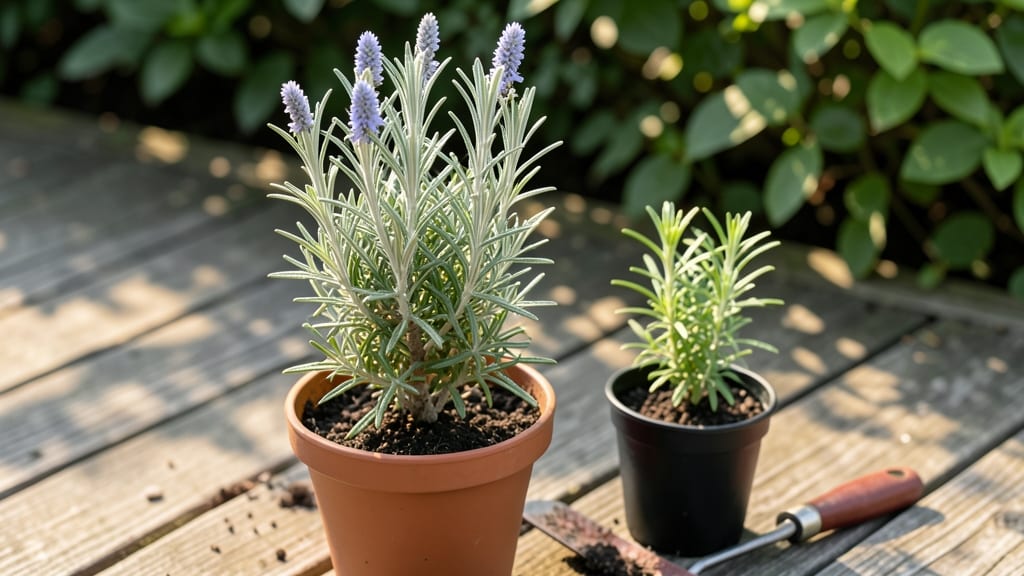
Planting rosemary in the wrong spot means struggling with leggy stems and weak growth—until I learned the sun-soaked secrets that turn this herb into a thriving, fragrant powerhouse. 🌞 The best place for rosemary isn’t just sunny—it’s where it gets 6+ hours of direct sunlight daily, with well-draining soil that mimics its Mediterranean roots.
My rosemary in a south-facing container now produces year-round harvests, while the one in partial shade barely survived winter.
You’ll need a location that’s both sunny and sheltered from harsh winds, whether that’s a raised bed, container, or in-ground spot. Soil should be sandy, gritty, and slightly alkaline—think coastal gardens, not heavy clay.
If your soil is dense, mix in perlite or coarse sand to prevent root rot. Rosemary’s drought-tolerant once established, but young plants need consistent moisture until they’re 3-4 inches tall.
By positioning rosemary correctly, you’ll unlock bold, pine-like fragrance and a bush that stays compact and productive. My plants now grow 2-3 feet tall with woody stems, perfect for cooking or ornamental use.
The key is matching its natural habitat—hot, dry, and bright—as closely as possible. Even in colder zones, container-grown rosemary can overwinter indoors near a sunny window.
For long-term success, avoid planting in low spots where water pools, and prune lightly after harvests to encourage bushier growth. In colder climates, dig up potted rosemary before frost and store it in a cool, dry place.
With the right spot, your rosemary will reward you with harvests all year—no green thumb required.
📚 In This Guide
- What you need
- Instructions
- Tips and common mistakes
- Wrapping up and next steps
What you need
- ● Rosemary plants: 1–3 nursery-grown plants (choose Rosmarinus officinalis for best flavor). Opt for healthy, bushy stems with vibrant green leaves.
- ● Well-draining soil: 5–10 lbs of blank">cactus/succulent mix or blank">potting soil amended with perlite or coarse sand (1 part perlite to 3 parts soil). Pro tip: Rosemary hates soggy roots! 🌡️
- ● Container (if applicable): For small plants: 1–2 gallon pots (6–8 inches deep) with drainage holes.
- ● For mature plants: 5+ gallon pots (10+ inches deep). Terracotta or fabric pots work best!
- ○ Fertilizer (optional but helpful): Slow-release blank">granular fertilizer (5–10–10 NPK ratio, 1 tbsp per plant).
- ● OR blank">liquid seaweed fertilizer (diluted to half-strength).
- ● Garden trowel or small shovel: For digging holes (6–8 inches deep and wide).
- ○ Drainage rocks (optional): 1–2 inches of pebbles or lava rocks for containers to prevent root rot.
- ● Pruning shears: Sharp, clean shears to trim dead or overgrown branches (sterilize with rubbing alcohol!).
- ● Watering can or hose with gentle spray: Rosemary prefers dry conditions—avoid soaking!
- ○ Gloves (optional): To protect hands from prickly stems or rough soil.
- ● Sunlight: A spot with 6+ hours of direct sunlight daily (south-facing windows or full sun outdoors).
- ● Temperature: Rosemary thrives in USDA Zones 7–10. If you’re in a colder zone, grow it in containers and bring it indoors when temps drop below 20°F (-7°C).
- ● Water access: A nearby water source (rosemary is drought-tolerant but needs occasional hydration—water deeply but infrequently).
- ● Patience: Rosemary grows slowly—give it time to establish roots before heavy pruning!
How to choose the perfect spot for rosemary: sun, soil, and shelter
Rosemary thrives where it’s pampered—not just planted. Here’s how to find its ideal home.
☀️ Step 1: Prioritize Full Sun Exposure
Rosemary demands 6-8 hours of direct sunlight daily—no compromises. I always scout the sunniest corner of my garden first, checking for minimum 6 hours of unfiltered light between early morning and late afternoon. A south-facing exposure works best in the Northern Hemisphere, while north-facing spots in the Southern Hemisphere deliver the same benefits.
Watch for microclimates: A wall or fence can reflect sunlight, adding extra hours. If your yard lacks full sun, opt for a south-facing balcony or container garden near a sunny window. You’ll know the spot’s right when rosemary leaves stay vibrant and upright—never leggy or pale.
🪴 Step 2: Select Well-Draining Soil
Rosemary despises soggy feet—literally. Amend heavy or clay soil with coarse sand or gravel to improve drainage. I mix in 50% native soil with 50% gritty amendment for ideal texture. Test drainage by digging a hole, filling it with water, and timing how long it takes to drain: under 30 minutes is perfect.
If planting in containers, use a blend of potting mix and perlite (70/30 ratio). Rosemary’s roots need oxygen, not suffocation. You’ll spot drainage issues when leaves yellow or stems rot—signs it’s time to repot or improve soil.
💧 Step 3: Choose the Right Climate Zone
Rosemary’s hardiness zones range from USDA Zones 7-10, but it’s a tender perennial in cooler climates. In zones 6 or colder, grow it as an annual or overwinter indoors. I’ve kept potted rosemary alive through winters by moving it to a sunny indoor spot near a south-facing window and reducing water.
In Mediterranean climates (zones 8-10), rosemary thrives year-round outdoors. If you’re in a humid area, space plants 3-4 feet apart to prevent fungal diseases. Mulch lightly with gravel to deter rot—rosemary’s roots appreciate airflow as much as sunlight.
✂️ Step 4: Protect from Harsh Elements
While rosemary loves sun, it hates windburn. Plant near a low hedge or fence to shield it from drying winds. I’ve seen rosemary’s needle-like leaves crisp in high winds—once they brown, they won’t recover. In containers, place pots where they’re sheltered but still sun-drenched.
If your area gets heavy frost, mulch the base with 2-3 inches of straw or bark to insulate roots. In containers, wrap pots with bubble wrap or frost cloth during cold snaps. You’ll know protection is working when stems stay green even after light frosts.
🌱 Step 5: Test the Spot Before Planting
Before committing, dig a small test hole and observe the soil’s natural moisture. If water pools after 10 minutes, the site’s too wet. Rosemary’s roots need to dry between waterings—never stay damp. I also check for competing plants: Remove weeds or grass within a 2-foot radius to avoid nutrient theft.
For containers, ensure pots have drainage holes and are large enough (minimum 12 inches deep). You’ll see the difference in growth: A well-chosen spot yields bushy, fragrant plants, while a poor one produces sparse, weak stems. Trust your observations—rosemary will thank you with robust growth.
Tips & tricks for perfect rosemary planting
These game-changing insights will transform your rosemary from struggling survivor to thriving superstar.
Sunlight Strategy: The 6-8 hours of direct sunlight in Step 1 aren't just recommendations—they're non-negotiable for rosemary's survival. I've seen plants in partial shade stretch painfully toward light, turning pale and sparse. For maximum vigor, place your rosemary where it gets morning sun plus afternoon light, even if that means creating a microclimate with reflective surfaces like light-colored walls or gravel paths. In containers, rotate pots weekly to ensure even exposure on all sides.
Soil Science: When testing drainage in Step 2, pay attention to the soil's texture after water drains—it should feel like a damp sponge, not a wet washcloth. For heavy clay soils, I've had success adding perlite at a 1:1 ratio with native soil instead of just sand, as it creates better aeration. The 30-minute drainage test is critical: if water disappears in under 10 minutes, you've over-amended and risk drying out roots.
Climate Zone Hacks: In USDA Zones 7-10, I've found that rosemary planted near south-facing walls can handle slightly less direct sun—those walls reflect enough heat to extend the sun's benefits. For colder zones, consider using black plastic pots which absorb heat and protect roots during winter. The 2-3 inches of mulch mentioned in Step 4 works wonders, but I prefer using coarse gravel over straw as it reflects heat back to the plant while preventing rot.
Wind Protection: The hedge or fence mentioned in Step 4 doesn't have to be tall—even a low shrub or trellis can create a windbreak. I've used chicken wire wrapped in burlap as a temporary wind shield for new plantings. For container gardeners, placing pots against a building or fence creates a natural windbreak while still allowing sunlight access. Remember, windburned leaves won't recover, so protection is worth the effort.
Pro Tips for Best Place To Plant Rosemary
- These game-changing insights will transform your rosemary from struggling survivor to thriving superstar.
- Sunlight Strategy: The 6-8 hours of direct sunlight in Step 1 aren't just recommendations—they're non-negotiable for rosemary's survival.
- Soil Science: When testing drainage in Step 2, pay attention to the soil's texture after water drains—it should feel like a damp sponge, not a wet washcloth.
Frequently asked questions
Got questions about planting rosemary? You’re not alone—this fragrant herb has its quirks! Here are answers to the most common concerns, so you can grow lush, thriving rosemary with confidence.
Can rosemary survive in containers if I don’t have a garden?
Rosemary thrives in containers with plenty of drainage and well-draining soil. Use pots at least 12 inches deep, place them in full sun, and water only when the top inch of soil feels dry. Just avoid soggy soil—rosemary hates wet feet!
How long does it take for rosemary to grow big enough to harvest?
With proper care, you can snip small sprigs in 3–4 months, but full-sized plants (ready for heavy harvests) take about 6–12 months. Prune lightly to encourage bushiness, and avoid over-harvesting—never take more than ⅓ of the plant at once. Patience pays off with flavorful leaves!
Will rosemary grow in cold climates? What’s the trick?
Rosemary is hardy in USDA Zones 7–10, but in colder areas, plant it in containers and move it indoors (or to a garage) before frost. For in-ground plants, mulch heavily in winter and choose dwarf varieties like ‘Blue Spires’—they’re tougher in chilly weather.
Can I plant rosemary near other herbs, or does it need space?
Rosemary loves company but needs 6–12 inches of space to avoid competition. Great neighbors include thyme, oregano, and lavender—all drought-tolerant like rosemary. Avoid planting near mint or basil, which have different water needs. Pro tip: Group herbs with similar sunlight and water requirements!
Why is my rosemary turning yellow or dropping leaves? How do I fix it?
Yellow leaves usually mean overwatering or poor drainage. Let the soil dry out completely between waterings, and ensure your pot has drainage holes. Dropping leaves? It might be too cold or root-bound. Trim back dead growth, repot if needed, and move to a sunnier spot. Rosemary’s tough—it’ll bounce back!
Wrapping up and next steps
Choosing the perfect spot for your rosemary plant is all about embracing the sun, well-draining soil, and a little love! Whether you opt for a sunny garden bed, a cozy container, or a Mediterranean-inspired landscape, rosemary thrives when given the right conditions.
With its fragrant leaves and versatility, your aromatic herb garden is just a few steps away—so grab those pruners and get planting! 🌿✨
Ready to grow? Start by selecting your ideal location today, and soon you’ll be harvesting fresh rosemary for cooking, crafts, or even homemade remedies. Happy gardening! 🌞🌱